
Finding the Best Dog Nutrition Supplement is basically about looking past the flashy marketing ,and instead checking what actually works in real life, like clinically studied, bioavailable components such as omega-3 fatty acids , glucosamine, and probiotics that are aimed at the gut. Most regular kibble, sure it gives baseline “survival nutrition” but it often leaves out those heat sensitive micro nutrients that help slow joint breakdown, reduce chronic inflammation, and keep the microbiome in a steadier balance.
If you want real overall energy, your dog needs a more intentional wellness routine, one that matches its life stage, breed size, and daily habits not just a one size bag thing. This guide kinda walks you through the exact scientific checklist for picking a top tier formula, lays out which ingredients target the main body systems, and answers the tricky usage questions people usually worry about but never ask.
Decoding the Essentials of a Premium Canine Formulation
The Reality of Commercial Pet Food Processing
- The High Heat Problem: Most regular kibbles undergo a very high temperature process known as extrusion. For owners seeking structural integrity in daily diets, sourcing meals from specialized pet food manufacturers in India or looking into premium raw options helps limit this initial nutrient loss.
- The Hidden Deficits: Because these vital nutrients are compromised, dogs can experience subtle, ongoing nutritional gaps over time even when fed by well-known best dog food brands available on the market.
- Early Warning Signs: The deficits often don't show up as an emergency at first glance. Instead, they appear as common problems which are a coat that doesn't shine, a little tummy ache every now and again, a bit of stiffness when a dog gets up after a nap.
- The Function of Additives: Good quality additives are a safety net of nutrition. They take the place of what the cooking process has eliminated and maintain a dog's internal systems in the natural way.
Evaluating How Format Impacts Nutrient Absorption
- The Bioavailability Factor: The physical shape and texture of a supplement completely change how quickly and effectively a dog's digestive system can break it down and use it.
- The Downside of Hard Tablets: Standard compressed pills are incredibly common because they are cheap to manufacture, but they are often packed with synthetic binders like magnesium stearate. These binders create a hard shell that can pass right through a sensitive digestive tract without fully dissolving.
- Cold-Pressed Soft Chews: Because these are mixed and shaped without using high heat, the fragile active ingredients—especially live probiotics and enzymes—remain fully alive and effective.
- Pure Liquids and Marine Oils: These formats skip the mechanical breakdown phase in the stomach entirely. They absorb almost instantly through the intestinal walls, making them highly bioavailable.
- Concentrated Raw Powders: This format allows for incredibly accurate, weight-based dosing. Powders blend easily into fresh, wet, or dry meals without forcing your dog to ingest unnecessary chemical texturizers or glues.
Avoiding Detrimental Fillers and Artificial Additives
A top-tier supplement shouldn't introduce unnecessary chemical waste to a dog's liver or kidneys. Read the label carefully and watch out for long lists of fillers. Artificial dyes like Red 40 or Yellow 5 are purely cosmetic and frequently trigger hot spots, itching, and skin irritation in sensitive breeds.
Preservatives are another major watchpoint. Cheap options use chemical shelf-stabilizers like BHA, BHT, or ethoxyquin to save money. These compounds can stress a dog's filtration systems over time. Premium options use natural, plant-derived alternatives like mixed tocopherols (Vitamin E) and rosemary extract to keep things fresh and safe.
Targeting Specific Canine Bodily Systems for Maximum Vitality
Canine health works like an interconnected web. Instead of giving a generic multivitamin that does a little bit of everything, it is far more effective to target the exact areas where a dog needs the most help. For instance, large breeds generally require early joint care, while thick-coated dogs benefit most from concentrated skin support.
Optimizing Articular Cartilage and Joint Mobility
Joint wear and tear is a primary reason dogs slow down as they age. When joint cartilage thins, bones rub together, causing localized discomfort and swelling. Halting this process means supplying the body with the specific raw materials needed to keep cartilage healthy:
- Glucosamine Hydrochloride: This is a key ingredient, which the body uses to help rebuild and maintain your joints. If you notice structural issues early, introducing a comprehensive joint supplement for dog care helps protect active cartilage matrixes from wearing down prematurely.
- Chondroitin Sulfate: This acts like a very small sponge, helping to bring in moisture to the fluid inside your joints; it helps to lubricate and cushion your joints.
- Methyl-sulfonyl-methane (MSM): This ingredient has natural sulfur, which reduces irritation to tissues, thus decreasing post-run recovery time.
- Green-lipped mussel: This ingredient is derived from a mussel that is abundant in unique fatty acids, which help to soothe joint capsules and increase the amount of movement you have in your everyday life.
Regularly keeping these nutrients in your dog's routine helps maintain fluid, easy movement throughout their senior years.
Cultivating Gastrointestinal Balance and Immune Function
About seventy percent of a dog’s immune strength is living right there, inside its gut. When things like stress, antibiotics, or low quality proteins push the internal microbiome out of whack, dogs might end up dealing with chronic gas, plus trouble absorbing nutrients. Getting that ecosystem back on track really needs kind of a two way plan.
Start by finding digestive aids that combine living bacterial strains, for example Lactobacillus acidophilus , with natural prebiotics such as chicory-derived inulin. Those prebiotics basically act like fuel for the good bacteria, so they can settle in better and actually thrive. You can also add L-Glutamine (the amino acid) to help repair the intestinal lining. In doing so it supports the barrier, and reduces the chance that tiny irritants get past the walls and into the bloodstream.
Revitalizing Skin Barrier Function and Coat Radiance
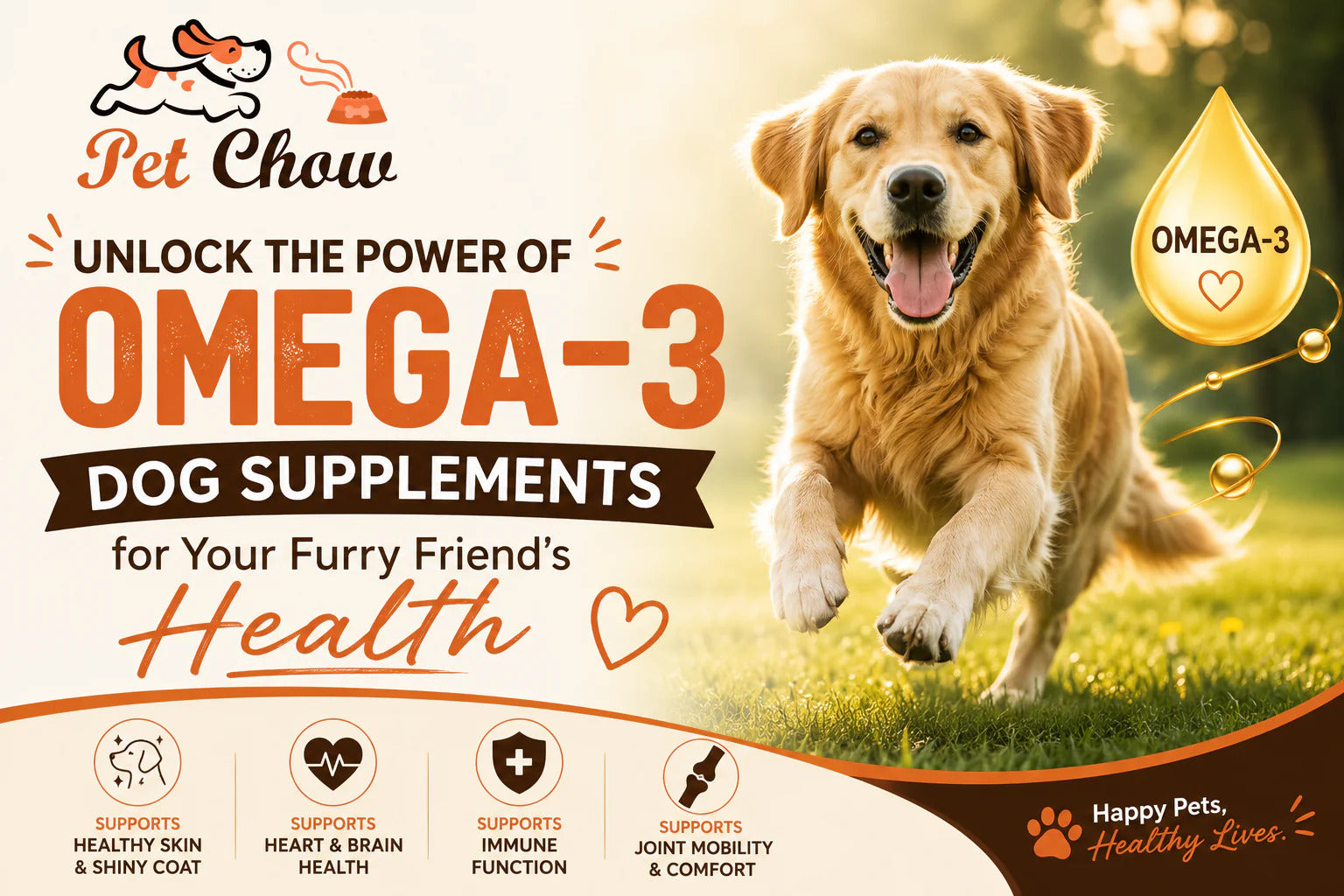
A dog’s coat is like their main defense against environmental allergens, fleas, and bacteria. If you see nonstop scratching, flaky skin, or endless shedding, that often points to an inflamed skin barrier. To calm that down you generally want a healthy dose of marine omega 3 fatty acids, specifically EPA together with DHA.
You might hear that plant sources like flaxseed can help too , but it often needs an extra conversion step and a dog’s system isn’t really built for that efficiency. Cold water fish oils are different, they bring in ready to use lipids that sink into the skin cells. And when you combine those with chelated zinc plus Vitamin E, it can help with dander, manage excess oil, and leave the coat looking richer and shiny, like it’s been polished from the inside out.
Implementing a Safe and Methodical Supplement Routine
Even the absolute best formula can cause loose stools if you rush the process. Introducing dense nutrients requires a slow, respectful approach to give your dog's digestive tract plenty of time to adjust.
The Step-By-Step Integration Protocol
- When you give your dog a dose of vitamins or fish oil it can upset their stomach and make them throw up or not want to eat. To avoid this you can use a plan to introduce the vitamins or fish oil to your dog over ten days.
- For the three days you should give your dog only twenty five percent of the recommended dose and mix it well into their biggest meal. For the three days you can give your dog fifty percent of the recommended dose and keep an eye on them to see if they get any skin problems or have less energy.
- For the three days you can give your dog seventy five percent of the recommended dose and make sure the powder or oil is mixed in completely so they do not pick around it. After ten days you can give your dog the recommended dose based on their weight.
- If your dog gets sick at any point you can go back to the dose that worked for a few days before trying to increase it again.
Preventing problems from giving your dog many nutrients
A common mistake people make is giving their dog too many different vitamins and oils at the same time. If you give your dog a multivitamin and a separate chew for their joints and a special oil for their coat you might accidentally give them too much of some nutrients.
Vitamins like Vitamin A and Vitamin D do not get washed out of your dogs body they build up in their liver. If your dog gets much of these vitamins it can cause serious problems over time. You should check the labels on the products you give your dog to make sure you are not giving them too much.
If your dog needs help with things, you should stick to one product that has everything they need or switch between products every month. This way you can make sure your dog is getting what they need without getting much of anything. For general dietary management tips, checking reputable advice hubs like petchow.in provides foundational guidelines on clean label selection.
Monitoring Physical Progress and Tracking Long-Term Success
Supplements do not change things overnight. They work from the inside out, which takes time. Keep an eye on these rough timelines to see how well your plan is working:
- Digestion (5 to 7 Days): You should notice firmer stools, less bloating, and way less gas. Full internal balance takes about a month.
- Skin and Coat (2 to 3 Weeks): Look for softer fur, less scratching, and a noticeable reduction in dry flakes. Expect full results around two months.
- Joints and Mobility (3 to 4 Weeks): Your dog should start getting up easier in the morning and showing more interest in playtime. True structural support peaks at three months.
Conclusion
Putting money into the Best Dog Nutrition Supplement is kind of a proactive move, like it helps support long-term wellness and that day to day structural comfort. If you look past the shiny ads and focus on NASC-certified, clean-label formulas—made with ingredients that are actually bioavailable, such as omega-3s, glucosamine, and live probiotics , then you can better match what your pet’s body is asking for. It also helps to introduce these more targeted blends in a gradual, step by step way , so you don’t end up with digestive upset and the active compounds have time to settle in and build a solid base for health. When you see your dog get a more glossy coat, smoother movement, and steadier digestion, that’s usually the clearest sign that good nutrition is the real route to a vibrant and content life, together.
Frequently Asked Questions
Can a dog experience a toxic overdose from standard nutrition additives?
This can happen with things like Vitamin A, Vitamin D, Iron and Selenium. These are not like vitamins that the body can get rid of easily. When dogs have much of these it can build up in their liver. For example if a dog gets much Vitamin D it can cause a big problem with calcium in the blood. This can hurt the dogs kidneys and heart. So it is very important to follow the instructions, on the food box and not give the dog many things with the same vitamins. Dogs need the amount of nutrients to stay healthy. Always check the labels. Do not give the dog too much of the same thing.
Is it ok to give human vitamins to a companion dog?
No, you should not give human vitamins to a dog without first checking with a vet. Human products are made for our own bodies specific weights and metabolisms, so the concentrations tend to be way too high for a pet. Also, many human formulas have artificial sweeteners added in there, for example Xylitol (which can sometimes show up as birch sugar). That is totally fine for people, but for dogs it can cause a sudden, life-threatening drop in blood glucose and even acute liver failure.
How can I determine whether or not my dog requires a daily nutritional supplement?
Although dogs cannot express their emotions, their bodies are quite expressive when they're missing. Watch for signs such as a dry, brittle coat, excessive shedding during times of year when it isn't expected, soft stools, or frequent bowel movements. Behavioral changes are common for older pets and may include greater hesitation to get out of bed or hesitation to get in the car.
Are advanced joint health products safe for puppies?
In general, puppies require no therapeutic joint product unless their veterinarian has identified a specific problem, such as early hip dysplasia. A normal growing puppy that is eating an adequate amount of food will get all of the nutrients that are necessary for the building of bone from the food that they are eating if the food is a good quality food formulated for their breed size.
Can I give my dog a health booster that will make his skin allergies go away once and for all?
A supplement should not be a complete solution for the underlying food and/or environmental allergies, but it does help to control symptoms. The marine oils, if of high quality, are able to reduce systemic inflammation and repair the barrier function of the skin. The enhanced barrier prevents outside irritants such as pollen or dust mites from penetrating and inducing the strong scratch reflex.
How can you administer a dog supplement to a dog who doesn't eat it?
If your dog can smell a pill a mile away, then either get rid of the pill and try a liquid formulation or a cold pressed chew. Liquid oils can be easily mixed into standard food and enhance the smell of the food. If using powder, consider mixing into a spoonful of plain, unsweetened greek yoghurt, unsalted bone broth or pure pumpkin puree instead of a dry scoop on dry kibbles.
How will it take to notice any physical difference in a dog?
It is entirely dependent upon the particular problem that must be addressed. Digestive improvements come quickly; you should see an improvement in the quality of your stools and have less gas in about a week. Skin and coat adjustments take longer, usually 6-8 weeks, as the body has to grow out new hair strands. Usually, orthopedic improvements for stiff joints take 2-3 months of regular use.
Can a dog take a daily probiotic along with a joint supplement?
Yes, this is completely safe and highly recommended. Because these two options target entirely different systems—the digestive tract and the joint cartilage—the ingredients will not conflict or create a toxicity risk. Additionally, keeping the gut microbiome healthy improves overall nutrient absorption, meaning your dog will get more value out of their joint care routine.
Should you give your dog additives all the time or just sometimes?
This really depends on why you started giving them to your dog in the place.
If your dog has problems like old joints or bad skin you need to keep giving them these additives every day to stop the problems from coming back. If you are giving your dog probiotics because they had antibiotics you can probably stop once their stomach is back to normal.
Do you need to give your dog supplements if they eat fresh food?
Even if your dog eats good raw or fresh food they might still not be getting all the tiny nutrients they need. If you make your dogs food at home and it is mostly meat it might not have calcium and zinc which are things that wild dogs get from eating bones and special organs.