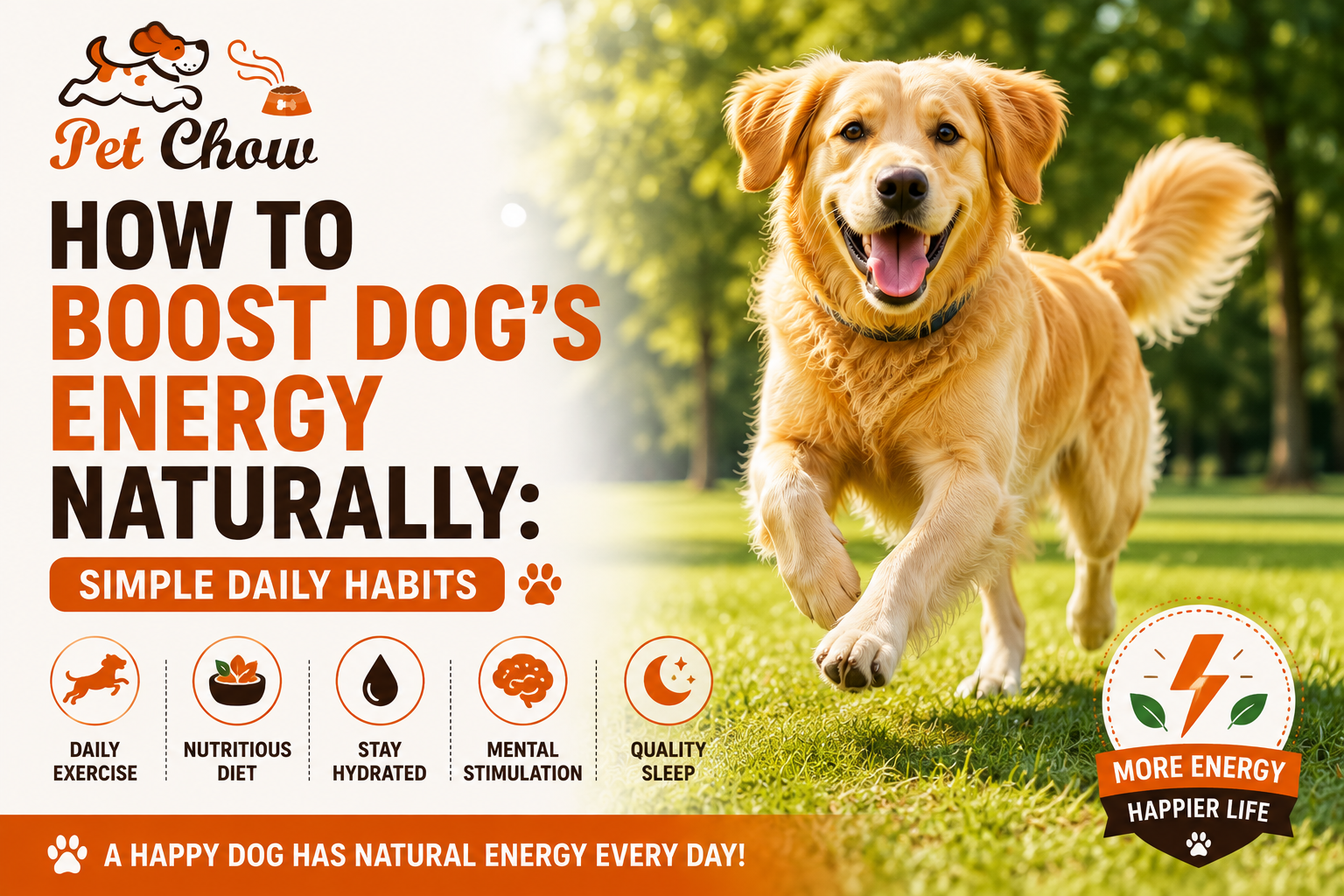

Moving joints, high stamina and fast muscle recovery after heavy exercise are the main considerations which require special support for active dogs. The best vitamins for active dogs will make sure that any working dog, agility champion or dog that runs a lot on a daily basis is getting balanced cell nutrition in addition to their regular meals.
Athletic lifestyles deplete nutrients much more rapidly than sedentary lifestyles, so while commercial kibbles are good for the base diet, they won't sustain an athlete for the length of the day. Symptoms of a nutrient deficiency include a loss of stamina in the outdoors, dull coats or post-run stiffness. Knowing the interactions of these important micronutrients and how they work in the dog's physiology can help pet parents ensure that their high-energy dogs stay healthy, resilient and ready for the next adventure.
The Most Important Micronutrients For Athletic Dogs
Steady chemistry within the body is critical for working breeds to convert food protein and carbs to clean physical energy. When there is not a proper balance of micronutrients, the dogs develop a condition called "metabolic lag" and tire easily when they are exercised outdoors.
Vitamins B1 through B6 are collectively known as B-Complex Vitamins for Cellular Energy.
B vitamins such as thiamine (B-1), pyridoxine (B-6) and cobalamin (B-12) serve as important metabolic catalysts.
They convert fatty acids and proteins into basic cell fuel. Exertion and fluid loss cause an easy loss of water soluble B vitamins from working dogs. Daily replenishment helps to produce red blood cells, maintain the signaling of the nervous system and keep mental concentration during complex training tasks.
Antioxidants (Vitamins C and E) for Recovery
During heavy physical exertion your oxygen consumption spikes causing harmful free radicals to form within the muscles.
Vitamin E prevents this oxidative destruction of cell membranes and Vitamin C combats systemic inflammation after workouts. Together these powerful antioxidants can speed up recovery times between intense runs and protect your pup’s tissue integrity their whole life.
Calcium and Vitamin D3 for Skeletal Strength
Running, jumping, and retrieving exert constant force on a dog's bones and joints. Vitamin D3 regulates how the body absorbs calcium and phosphorus from meals. Providing the best dog calcium supplement alongside balanced meals fortifies skeletal density, guarding high-impact athletes against stress fractures and micro-tears.
Joint and Mobility Care for High-Impact Canines
Continuous exertion places heavy strain on cartilage, tendons, and connective tissues. Proactive joint protection prevents early stiffness and keeps athletic dogs moving smoothly as they mature.
Physical Stress Points in High-Energy Dogs
- Neck & Spine → Needs Calcium & Vitamin D3
- Hip Joints → Needs Glucosamine & Chondroitin
- Paw Pads/Skin →Needs Omega Fatty Acids & Zinc
Protecting Connective tissues and Cartilage
The cartilage is used to separate individual bones in a joint socket. These protective layers wear out over time as a result of hard landings and high-speed turns. A specialized joint supplement for dog agility can restore the fluid and lubrication in the joints and keep soft tissues flexible. Glucosamine, chondroitin and MSM have a synergic effect to decrease inflammation after training.
Herbal & Natural Joint Solutions
Gentle, long term support for active dogs with a tendency towards joint discomfort with herbal formulations. Products such as a himalaya dog joint supplement use natural plant extracts to support the movement of the dog's body without disturbing the sensitive digestaive tract. Perfect with daily exercise routines.
Choosing the Best Vitamins for Active Dogs
Selecting the right dietary additions requires evaluating a dog's age, daily activity level, and baseline diet quality.
Matching Supplements to Life Stages
Puppies developing high athletic potential require different proportions of nutrients compared to fully mature working dogs. Adding a specialized multivitamin for puppy care promotes proper bone alignment, brain development, and early immune resistance. As dogs grow, shifting toward targeted adult formulations ensures ongoing physical stability.
For young dogs undergoing rapid muscle development, using a dedicated dog supplement for growth builds lean tissue without causing improper bone growth spurts. Selecting precise dog growth supplements guarantees that structural strength keeps pace with increased body weight.
Addressing Dietary and Weight Requirements
Active dogs fed home-cooked meals often face subtle nutritional gaps that commercial kibbles address through synthetic enrichment. Mixing a comprehensive best multivitamin for dogs into daily meals fills these dietary voids.
Furthermore, athletic dogs struggling to maintain ideal body mass during heavy training seasons benefit from a caloric boost. Pairing vitamins with a clean dog supplement for weight gain preserves vital muscle mass during demanding outdoor periods.
Comparing Essential Vitamins for Working Dogs
Different nutrient combinations address distinct aspects of canine health. The matrix below outlines how specific additions support active daily routines:
|
Supplement Category |
Primary Active Role |
Target Health Benefit |
Recommended Usage Tip |
|
Complete Multivitamins |
Bridges daily nutritional gaps |
Overall stamina and metabolic balance |
Blend thoroughly into daily morning food |
|
Joint Protectants |
Maintains cartilage cushioning |
Smooth gait and post-run comfort |
Administer daily before intense training |
|
Coat & Skin Formulas |
Strengthens epidermal barrier |
Glossy coat and soothing irritation |
Mix fish oils or soft chews with evening meal |
|
Calcium & Mineral Blends |
Reinforces structural density |
Strong bones and steady muscle contractions |
Pair alongside meals containing Vitamin D3 |
Daily Nutrition Schedule for High-Energy Breeds
Establishing a consistent daily routine optimizes nutrient absorption and aligns energy peaks with scheduled workouts.
Daily Workout & Nutrition Timeline
[07:00 AM] ──> Morning Meal + Complete Multivitamin + Fresh Water
[08:30 AM] ──> Main Exercise Session (Running / Agility)
[01:00 PM] ──> Hydration Check + Rest Period
[05:30 PM] ──> Evening Walk + Joint & Coat Supplement
[08:00 PM] ──> Restorative Sleep on Padded Bed
Morning Energy Fueling
Start the morning with a nutrient-dense meal using formulas from leading healthy dog food brands. Mixing essential vitamins directly into breakfast ensures that water-soluble compounds circulate through the bloodstream before physical activity begins. Always provide fresh water to prevent early dehydration.
Evening Muscle Recovery
After evening walks or training sessions, dinner should focus on repair and relaxation. Combining protein-rich kibble from top best dog food brands with specialized supplements aids tissue reconstruction during sleep. Adding a targeted dog coat supplement keeps the skin barrier hydrated, preventing itchy patches or dry dander after outdoor exposure.
Monitoring Skin, Coat, and Overall Vitality
A dog's external appearance serves as a direct reflection of internal metabolic health. Clean skin, a lustrous coat, and clear eyes signal proper nutrient utilization.
Internal Health Indicators
- Skin Condition: Smooth, free of flaking or hot spots
- Coat Quality: Thick, shiny, minimal excess shedding
- Energy Curve: Steady enthusiasm, quick recovery times
Your Active Companion's Fueling For Peak Performance
High levels of activity and energy in dogs demand a considered diet along with special joint support and sufficient rest. The optimal vitamins for active dogs, when added to regular feedings, gives the cell structure that is essential for endurance, strength and rapid recovery from physical exertion. When it comes to helping your pup partner stay active, healthy and full of life for years to come, pet parents can help by paying attention to their coat, modifying their diet for their life stage and keeping them properly hydrated.
FAQs About Supplements for Athletic Canines
If dogs are fed commercial dry food, do they require additional vitamins?
Yes. Water-soluble vitamins are consumed more rapidly by high performance dogs than those that are not. Supplements can support energy metabolism and promote muscle recovery.
What's the average time for a running dog's joints to respond to supplements?
With regular daily use, most dogs develop more fluid gaits and less stiffness after running within 3-6 weeks.
Are there any active dog vitamins for active pups?
No! Puppies need a particular Ca:P ratio for proper bone development. Always use growing dog formulas.
What are the symptoms of vitamin deficiency in high energy dogs?
Common signs of these are being generally floppy, recovery from exercise is slow, fur is dull, dry skin, and stiffness of the joints after a normal play session.
Can I give my active dog vitamin C?
Yes. Dogs can produce some Vitamin C on their own, but supplemental Vitamin C serves as an antioxidant which minimizes inflammation in muscles from exercise.
How do omega fatty acids support athletic canine performance?
Omega-3 fatty acids reduce systemic joint inflammation, improve cardiac efficiency, and keep the skin barrier resilient against environmental allergens.
Is it possible to give an active dog too many vitamins?
Yes. Fat-soluble vitamins are others include A and D which will accumulate in liver and may be toxic if consumed in excess. Follow manufacturer's instructions for dosage.
Should dogs be given vitamins before or after exercise?
Vitamins are best taken with breakfast, preferably an hour prior to exercise, to provide them at the peak time for absorption but not during physical activity to upset the stomach.
What role does B12 play in working dogs' stamina?
Vitamin B12 is critical to red blood cell production and the transport of oxygen throughout muscle tissue, thus directly improving cardiovascular endurance.
When to consider the decline in activity as a problem in an active dog?
When lethargy, reluctance to run or discomfort in joints persists for 2 days or longer, please contact a veterinarian to check for other possible injuries or illnesses.