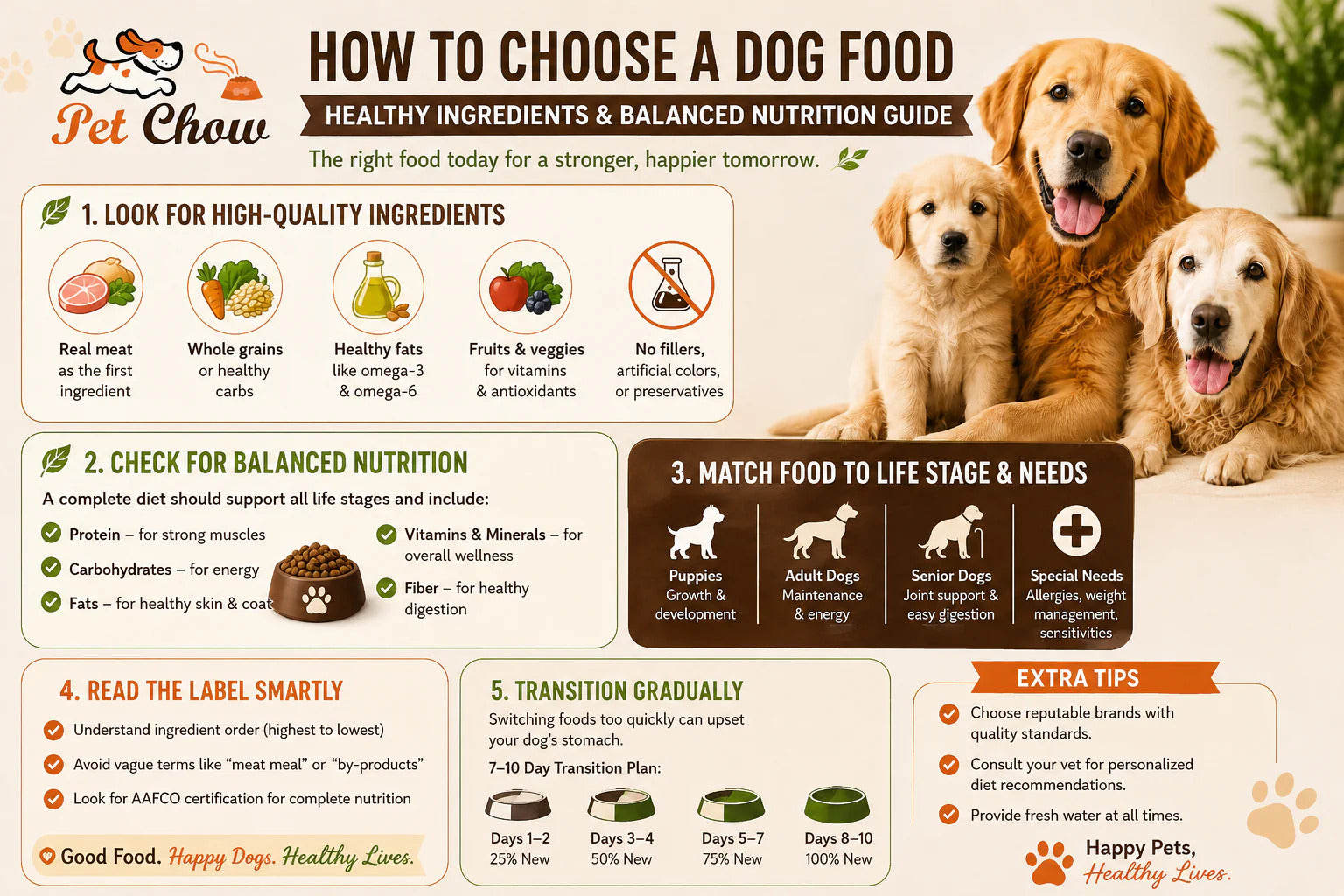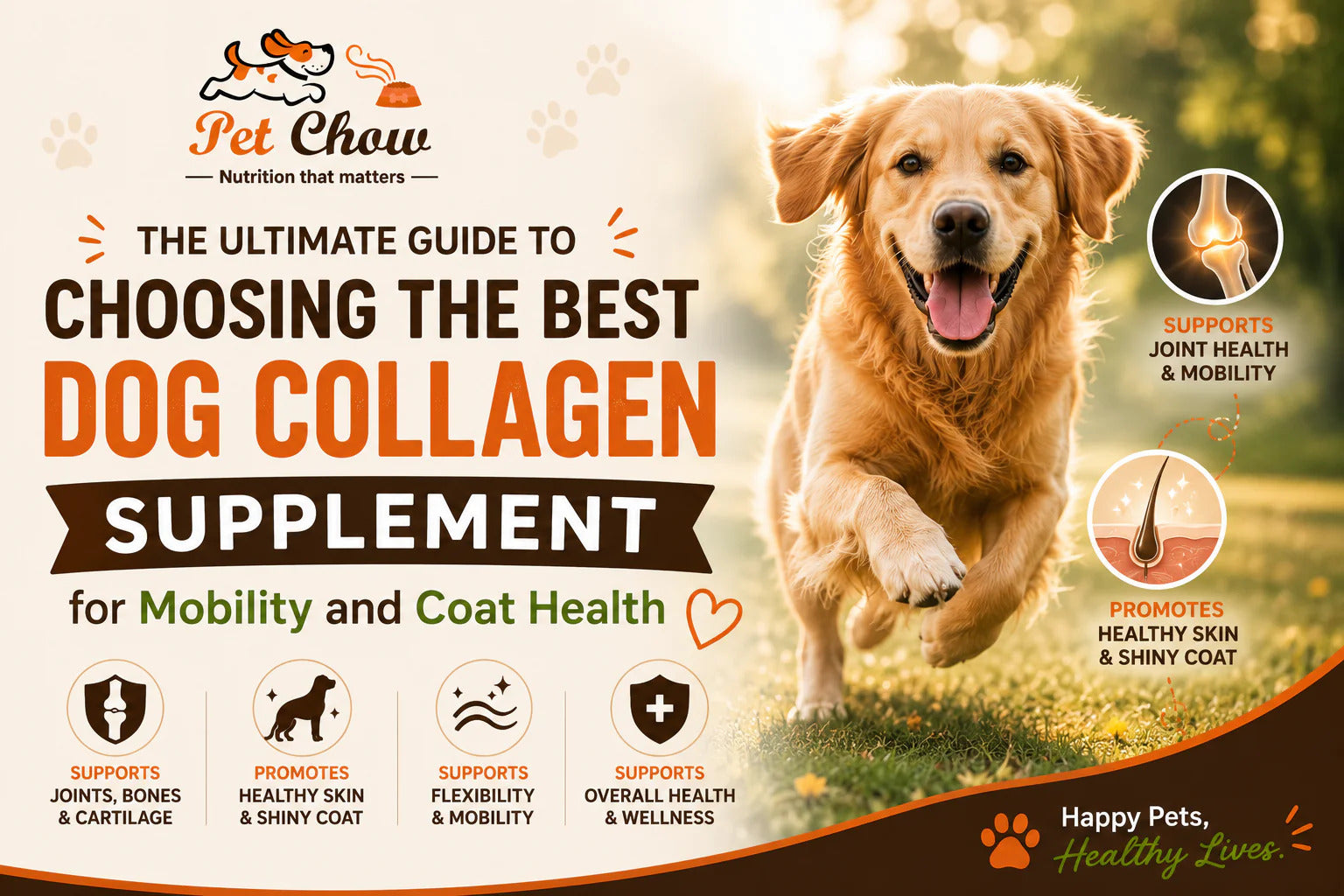

A good dog feed supplement provides specific vitamins, minerals, fatty acids, or probiotics that can fill nutritional gaps in the diet of your dog. For optimal health, owners just choose the formulation that targets the need their dog is deficient in (joint, coat, or digestive), then add the recommended dose to their pet's normal meals.
With this “proactive” care, companion animals can enjoy maximum joint mobility, sheen coat, and immunity throughout their lives.
The Essential Nutritional Additives for Canines.
All animals are different in their biological requirements because of their nature, their way of life and their environment. The type of support defines the specific body support that will be supplied, thus not overloading the metabolic filters (liver, kidneys).
Joint and Mobility Support Formulas
Small or old animals are more likely to develop structural wear of joint capsules. The combination of glucosamine hydrochloride, chondroitin sulfate and methylsulfonylmethane (MSM) is effective at repairing the matrix structure of cartilage and lowering inflammatory markers, which extends their effectiveness beyond that of either compound alone. Regular use helps maintain synovial fluid viscosity to provide a critical cushioning effect during physical exertion. Incorporating a dedicated joint supplement for dog health early can drastically improve long-term mobility.
Skin and Coat Enhancers
Extreme itching, poor glossiness of the coat and year-round shedding are often symptoms of an essential fatty acid deficiency. Fish oils from the sea containing high amounts of omega-3 and omega-6 fatty acids and flaxseed oils strengthen the epidermal barrier. This moisture retention helps to prevent the allergens from getting in and provides a "reflecting" outer coat.
The digestive system and probiotic blends. For targeted treatment, integrating an omega-3 dog supplement delivers these bioavailable lipids directly where they are needed most.
Digestive Health & Probiotic Blends
Most of the animal's immune system is located in the gastrointestinal tract. These delicate microbial balances can be compromised by some environmental stress, antibiotic treatments or diet. Adding species-specific bacterial strains with prebiotics to help stabilize digestion, decrease gas and increase the absorption of nutrients from standard kibbles.
Age-Specific Formulation Guidelines
A dog's nutritional needs are different at every stage of life, from the high-energy puppy to the healthy, adult dog and finally, to the senior dog. Feeding and/or supplementation regimen that helps a puppy thrive can easily overwhelm the aging organs of a sedentary senior dog.
-
Puppy Development Stages: It's a puppy's first year and their skeleton and brain grow very rapidly. Here, a form of omega 3, called docosahexaenoic acid (DHA), is good for eye development and cognitive sharpness, and supplements containing DHA are a good choice. Maintaining an exact calcium-to-phosphorus ratio is vital to prevent large breeds from growing too rapidly. Utilizing the best dog calcium supplement options ensures sturdy skeletal architecture without risking developmental bone anomalies.
-
Adult Maintenance Requirements: Healthy adult dogs require only ordinary care to maintain their energy level, maintain their immune system and deal with the stresses of everyday life. Vitamins C and E, minerals such as zinc and selenium act as antioxidants to help combat the free radicals created through regular exercise. This will save their muscles and aid in recovery from a long run or play session.
-
Senior Vitality Preservation: With the slowing of your dog's metabolism, your dog cannot take in the nutrients as before. Senior dog supplements have been a big worry for most people and the main supplements are brain, heart and muscle maintenance. They are delivered using ingredients like Coenzyme Q10, L-carnitine and medium-chain triglycerides (MCTs) that help nourish their cells at a cellular level so their elderly pets can remain bright, alert and active.
Choosing the Appropriate Delivery Method for Daily Treatment.
Even the most sophisticated formula in the world is not of any benefit to your pet if they won't consume it. That’s why manufacturers provide several options to cater to the tastes of discerning eaters to suit various living lifestyles.
Cold-Pressed Chews and Treats
Dogs love soft chews because they are typically perceived as a regular treat. They have been produced with low-temperature extrusion technology, ensuring that the heat sensitive vitamins in them and the sensitive living probiotics remain fully intact. These can be rewarded to your dog without changing their regular feeding schedule.
Concentrated Powders
Powder products allow you maximum accuracy when measuring out a dose and are ideal if you have several dogs or are trying to get very close to a weight range. The powder can be sprinkled directly on dry kibbles or combine with some warm water to make a great gravy that will make difficult eaters clean their bowls.
Clean Oils & Liquids
Liquid supplements can be convenient to administer in a pump bottle and are ideal for fat soluble vitamins and essential fatty acids. They're highly aromatic, dogs enjoy them, and they blend in with wet food or raw food. This ensures your dog eats the entire amount of food that they are supposed to consume each day.
Evaluating Manufacturing Standards and Ingredient Integrity
The pet supplement industry has a massive variance in quality control. As a smart pet owner, you have to look past flashy label designs and slogans to see what kind of testing and safety measures are actually happening behind the scenes. Choosing products from verified pet food manufacturers in India that adhere to Current Good Manufacturing Practices (cGMP) offers excellent traceability.
Verification by Third-Party Laboratories
Trustworthy brands always send their production batches to independent, third-party labs for testing. These tests check that the exact ingredient amounts printed on the bottle match what is inside. Even better, they prove the product is completely free from heavy metals, pesticides, or dangerous bacteria.
The Significance of National Sourcing
Where ingredients are grown and packaged tells you a lot about safety. Products made in facilities that follow Current Good Manufacturing Practices (cGMP) offer excellent traceability. This transparent setup allows you to easily verify exactly where your marine oils, plants, and minerals come from.
Avoiding Synthetic Fillers and Allergens
Cheaper products rely heavily on corn starch, artificial food dyes, and chemical preservatives to keep costs low and extend shelf life. Premium brands stick to clean labels. They use natural ways to preserve their products—like mixed tocopherols (vitamin E)—and stay far away from common allergy triggers.
Identifying Nutritional Deficiencies in Everyday Canines
Spotting the signs that your dog needs an extra nutritional boost requires paying close attention to small changes in their behavior and appearance. Catching these early lets you adjust their diet before minor issues turn into chronic health problems.
Quick Health Warning Signs:
-
Lethargy and Low Stamina: If a normally playful dog suddenly hesitates to climb stairs, jump in the car, or finish their usual walk, they might be dealing with joint pain or deep metabolic fatigue.
-
Dry, Flaky Skin: Dander, constant paw licking, and the sudden emergence of a painful red spot on dog skin indicate a compromised epidermal barrier that lacks essential lipid building blocks.
-
Frequent Stomach Upsets: Loose stools, vomiting bile, and heavy gas mean the gut bacteria are out of balance. Without healthy enzymes and good bacteria, food passes through their system unfinished, robbing them of nutrition.
Safe Administration Protocols and Dosing Precision
Though supplements are beneficial, they still need to be controlled to avoid accidental overdose or upset stomach. Concentrated vitamins – too much of a good thing is a bad thing.
Ensure that the correct dosages
Always give your dog medicine based on his or her weight, not his or her age or breed. Excess of fat soluble vitamins (vitamins A, D) is harmful as they become toxic to the organs when stored in the body tissues over a period of time.
Managing Transition Horizons
Avoid sudden changes in the diet of your dog with new supplements. Give them time to acclimatize to the area (7-10 days). Start at ¼ of the recommended dose and gradually increase. This will allow time for stomach bugs to settle and stop any unforeseen diarrhea and vomiting.
Long-term systemic monitoring should be done
Check your dog over every 3 weeks or so. Watch for shine to their coat, hardness of their stools and movement. Knowing these details can make it easier to determine if you continue to take the same dose, if you change it, or if you switch to a different dose as the seasons change.
Conclusion
Adding a high-quality supplement to your dog's daily routine is one of the best ways to protect their long-term health. These targeted formulas offer the exact support needed to keep joints moving smoothly, balance the gut, and protect sensitive skin from external irritants. By choosing the right formula for your dog's age, measuring their portions carefully, and buying from verified brands, you can easily upgrade your pet's standard diet. Taking this proactive approach pays off in the long run with a happier, more energetic, and resilient companion.
FAQs
How many weeks or months until you see results from a canine dietary additive?
You should start noticing a difference in your skin, within about 3-6 weeks of using it every day. Unlike other areas of the body, these nutrients usually go to the skin first and help fix any coat or skin problems, then it takes more time before the same nutrients are used for the joints and cartilage.
What if they have to snack on more than one kind of food, does that matter?
Yes, it can be okay to mix supplements but don’t mix ones that contain the exact same ingredients. You can pair a joint chew with fish oil, for example. But you shouldn’t give two different multivitamins at the same time because that may lead to vitamin excess.
Can a dietary supplement help treat chronic canine arthritis?
No supplement will miraculously stop bone loss, or even severe arthritis on its own. Still, the best- quality joint supplements can do a lot. They are often incredible at reducing painful inflammation, protecting the remaining cartilage, and helping lubricate the joint so it becomes easier to move around, you know, comfortably and without as much stiffness.
Can an animal get allergy symptoms from products like these?
Some dogs that have sensitive bellies or actual food allergies might also react to the added flavorings in supplements, like artificial beef or dairy notes. If your dog has allergies, think about hypoallergenic foods that use a clean protein ingredient, or that keep things simple with fewer components.
Is it ok to give a house dog a human vitamin?
No, don’t give your dog vitamins made for people. They are formulated differently and often include substances that dog food simply doesn’t, and one example is the artificial sweetener xylitol. That ingredient can cause serious, even life threatening liver injury.
Do raw fed dogs require external supplements?
Feeding raw can be risky, even when you try really hard to do it correctly. Some trace nutrients may get missed, like iodine, vitamin E, and manganese. Usually it is smarter to include a dedicated oil or powder meant for raw diets so the balance stays right, rather than tossing in extra calories from random add ons.
If an animal should eat an entire container what should be done?
If your dog gets into the cabinet and consumes an entire box of tasty chews, contact your vet immediately. Normally passed through without causing any harm, high levels of iron, calcium, and fat-soluble vitamins can be highly toxic and should be treated as an emergency.
Should these products be given on a continuous or cycle basis?
For supplements such as joint supports and omega fatty acids, they are most effective when applied continually throughout the dog's life. But supplements such as high potency probiotics or digestive enzymes are useful during short-term use, such as after antibiotics, or if your dog is experiencing a stressful situation.
Can a puppy begin a joint care regime early?
It can, especially for large or giant breed dogs that are prone to hip dysplasia. Starting around six months old is often suggested. Just be sure the product is made for puppies (not adult versions), because it could disrupt the calcium balance.
How should these nutritional products be stored to preserve freshness?
Keep your powders and chews in a cool, dark pantry with the lid shut tight to keep out moisture. For marine fish oils and liquid probiotics, put them straight into the refrigerator after opening to keep them from spoiling and to keep the beneficial bacteria alive.