
The perfect mix of nutrients is a key element when you're looking to ensure your dog is happy, healthy and full of energy. A nutritious diet will help keep their coat shiny, muscles strong and immune system healthy, eliminating the need for them to catch common diseases. Everyone wants their dog to have a long, healthy and happy life and it all begins with what's at the bottom of the bowl. Spending a few minutes searching the supermarket shelves for a random bag of fruits is no longer adequate. Corporate marketing is extremely clever at packaging poor quality ingredient into a pretty package – and you really need to look beyond the front of the bag to be sure of what you're purchasing.
To select the right diet is to wade through the jargon and marketing terms of the nutrition world and discover something true and real. It addresses the key science behind dog nutrition, how to interpret the often-misleading labels on dog food products, and how to choose a food that will actually promote overall health. Whether it's protein ratios or portion control, here's what you need to know to make a smart decision about your dog or cat's meals every day.
Why are high-quality proteins and Amino Acids important?
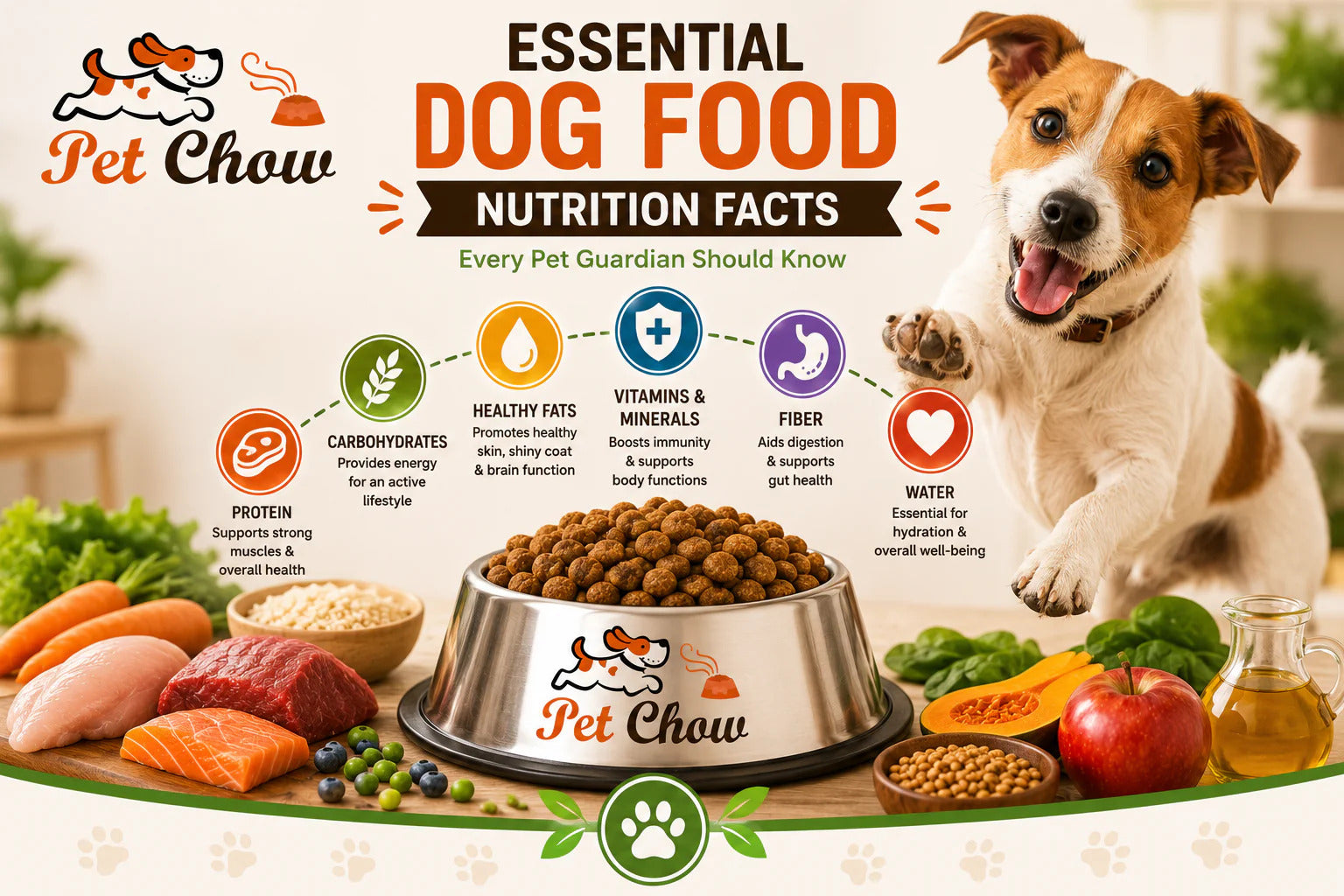
Protein builds the actual structure of a dog's body, from muscle development to immune strength. When searching for the best dog food brands, look for two key things:
-
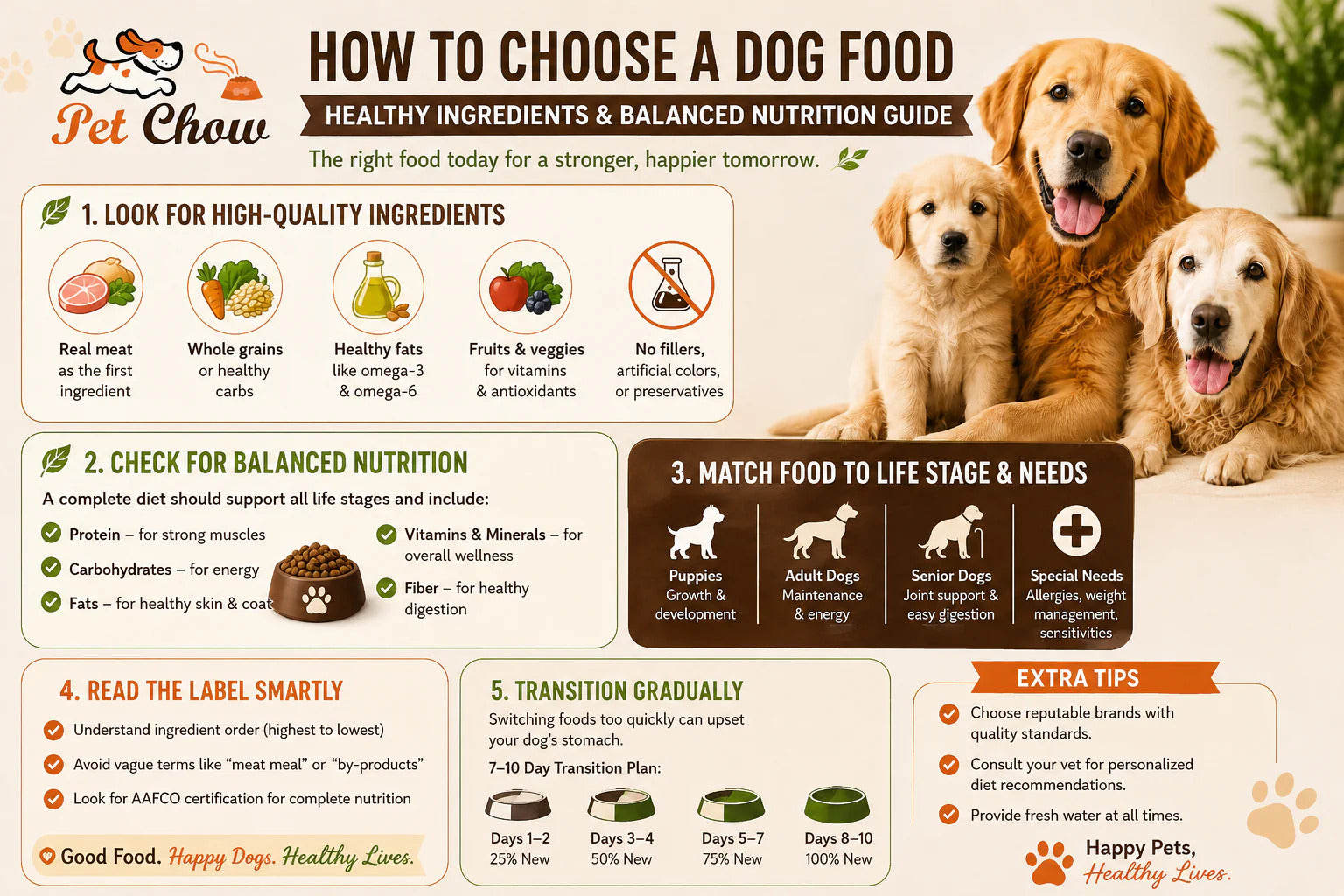
Whole Named Meats: Ensure your dog is getting the necessary amino acids by checking the first ingredient is a form of meat (chicken, beef, lamb or salmon).
-
Concentrated Meat Meals: They are concentrates of protein from which water has been taken, and are an excellent highly digestible source of nutrients.
Protein levels remain stable, allowing continued growth and repair of muscles, and maintaining organ function with aging.
Why are Fats and Essential Fatty Acids Important?
Fats are the main fuel for active dogs, and essential for normal cell function. Dietary fats provide dogs with the energy to run and play, but are also essential to the body's ability to absorb fat-soluble vitamins, such as A, D, E, and K.
-
Omega Fatty Acids: Incorporating an omega 3 dog supplement or finding foods rich in these fatty acids is very important to help reduce inflammation and help keep your dog's coat very soft.
-
Skin Barrier Support: Healthy fats keep the skin barrier support moist, reducing skin flaking, dryness or itchiness.
-
Healthy-fat sources: These include flaxseed, fish oil and chicken fat, which are sources of energy that can be readily utilized.
How Do Complex Carbohydrates and Fibers Benefit Digestion?
Carbohydrates provide glucose, which fuels a dog's daily activities and brain function. Picking the right carbohydrate sources keeps a dog's energy steady throughout the day without crashes.
-
Digestible Grains: Whole grains like brown rice, oatmeal, and barley offer sustained energy and prevent sudden blood sugar spikes.
-
Grain-Free Alternatives: Sweet potatoes and peas provide an excellent, gentle source of energy for dogs with specific digestive sensitivities.
-
Healthy Digestion: Dietary fiber from ingredients like beet pulp or pumpkin promotes a healthy gut microbiome, which means smooth, consistent stool quality.
How to Decode Pet Food Labels and Cut Through Marketing
Packaging on a pet food can can be very misleading, filled with catchy graphics and health claims. You need to get past the front cover and read the ingredient list and the guaranteed analysis panel on the back to understand what's in your pet's body.
What Does the Guaranteed Analysis Panel Mean?
The Guaranteed Analysis panel gives an indication of the nutrients that are contained within the product. This panel enables pet owners to view the exact minimums and maximums of what they're paying.
-
Crude Protein: Provides an absolute minimum % protein, ensuring the food provides a minimum amount of protein for growth or maintenance requirements.
-
Crude Fat: This shows the minimum amount of fat content, which is essential to help determine the overall fat density of the meal.
-
Moisture and Fiber: Indicates maximum amount, making sure the food doesn't have an excessive amount of moisture or binders.
What does the AAFCO Statement of Nutritional Adequacy mean?
There are strict regulations for pet food safety and labeling established by the Association of American Feed Control Officials (AAFCO). If it's a good product, it will have an AAFCO statement on the back of the bag.
-
Nutritional Verification: This statement provides assurance that the food is legally complete and balanced to the meet the established nutrient profile of a dog.
-
Life Stage Target: The statement clearly indicates the life stage of the food such as growth (puppy), all life stages, or maintenance (adult).
How are ingredients weighed and ordered in a manufacturer's recipe?
Before cooking and processing, ingredients are always provided by the total weight. While this rule helps identify high quality foods, it also provides for a few shrewd formulation gimmicks.
-
Water Weight: Fresh meats are composed of a high amount of water weight, which places it at the top of the list of ingredients.
-
Ingredient Splitting: When one poor quality filler grain is split up into multiple parts, such as "ground corn," "corn gluten meal," and "corn flour.
Splitting the grain reduces the weight of each portion, making the part of the recipe that is meat appear more significant than it actually is, a tactic frequently used by various pet food manufacturers.
What Is the Best Way to Change a Dogs Food?
The dogs tummy has lots of bacteria that get used to their food slowly. If you change their food quickly it can make them sick with diarrhea vomiting and they might not want to eat.
Here's how to change their food
-
Days 1 and 2: Give them 75% of their old food and 25% of the new food.
-
Days 3 and 4: Mix it to 50% food and 50% new food.
-
Days 5 and 6: Give them 25% of the food and 75% of the new food.
-
Day 7: They can eat the food only.
Summary
As a pet owner, one of the best things you can do for your dog’s longevity and day to day happiness is to spend time picking out a high quality, balanced diet. It becomes an achievable standard to track down a dog food nutrition strategy by focusing on identifiable whole animal proteins, avoiding synthetic chemical additives and using strict daily portion control. Each dog has its own metabolic signature, so the ultimate test of a diet’s success is in the close observation of coat quality, energy levels, and digestive health. A mindful, evidence-based approach to the food bowl can lead to a vibrant, active and fulfilling life for a pet by their owner’s side.
FAQs
When it comes to the nutrition and its details on a dog food label, what is most important?
The best indication of this is if it has a clearly defined, named animal protein source, such as chicken or beef, that is actually the #1 ingredient on the list and accompanied by a verified AAFCO statement on the back of the bag.
Does science support a grain-free diet for healthy dogs?
No, not unless a dog has been medically determined to have a grain allergy, in which case whole grains like oatmeal, brown rice and barley would be very bad for him/her.
An adult dog's metabolism requires how many meals a day?
The majority of veterinarians recommend that adult dogs be fed twice daily, about 12 hours apart. This timetable helps to keep blood sugar levels stable and to keep digestion under control throughout the day.
Differentiate between fresh meat and meat meal.
The meat is naturally high in water content and this is lost during cooking during processing. Meat meal is already 'rendered,' which means it has been dewatered and fat has removed from it to leave the protein behind.
Are all micronutrient requirements able to be met by commercial feeds alone?
Yes. Commercial foods with the "complete and balanced" designation on the label meet the AAFCO standards and are scientifically formulated to supply all of the vitamins and minerals a dog requires without additional supplementation.
What are the most common symptoms of a food allergy in dogs?
Other signs of food allergies typically include chronic gastritis (episodes of gas and diarrhea) and chronic infections of the ears, as well as obsessive licking of paws and persistent scratching of the skin.
Which synthetic food dyes are harmful to dogs?
Artificial dyes are not added for nutritional value to the food and only for the purpose of making the food more appealing to humans; they can cause skin irritations and food sensitivities in the dog.
What is the function of crude fiber in a dog food?
Fiber assists to control intestinal speed, absorbs extra moisture to firm up stool quality and nourishes the great germs in a dog's digestive system.
Can you use normal adult maintenance food for a large breed puppy?
No, kibbles for adults are not designed with the exact calcium to phosphorus balance and lower calorie density required to prevent excessive growth in large breed puppies and thus result in severe joint disorders later in life.
What is the minimum number of days an animal needs to be on a new diet until he/she can visibly be seen changing?
The benefits of a high-quality diet on a dog's skin, coat and energy is not noticeable until feeding them such a diet for 6 to 8 weeks without interruption.