
If your dog stops eating all of a sudden, warming up a can of food or putting some plain boiled chicken and white rice in their bowl will usually solve the problem right away. Loss of appetite is most often due to dental pain, upset stomach, stress or stale kibble. But if a dog goes more than 24 hours without eating, or if they start vomiting or become very lethargic, then you should see a veterinarian immediately.
When a pet stops eating panic sets in fast. You look at the untouched bowl, is it a phase of being fussy or a silent plea for medical help? Every hour is more worrying and daily routines are disrupted. The good news is that most appetite dips have clear causes and simple solutions. With a little perceptiveness to subtle behavioral cues and some simple adjustments around the house, you can usually coax your companion back to his bowl before long.
Why Is My Dog Not Eating Food?
When a dog turns away from a meal, figuring out the trigger really makes all the difference. Canine appetite drops usually sort into two main buckets, physical discomfort and emotional shifts, though sometimes it’s not so neat.
Physical Health and Medical Triggers
Body pain, or internal unease, can make even a beloved treat feel kinda wrong. In those cases, something physical is usually the fastest clue, and quick action matters.
1. Teeth and Mouth Pain:
Cracked teeth, swollen gums, or small sores inside the mouth can turn chewing tough kibble into this miserable task.
2. Stomach and Gut Upset:
Nibbling on garden plants, rummaging through trash, or grabbing greasy scraps brings on sudden nausea. Supporting your pet's recovery with a targeted dog gut health supplement can often help stabilize a sensitive digestive tract once acute symptoms settle.
3. Underlying Health Conditions:
Problems linked to kidneys, the liver, or wider systemic infections can really weigh down daily hunger, and not just for a moment.
4. Routine Vaccination Side Effects:
Recent shots, or a new medication, may leave dogs feeling slightly off for a day or two, and then they often bounce back.
5. Lifestyle and Emotional Triggers
Most dog owners don't realize that their dogs can sense changes in the environment much more quickly than they can. Any stress related emotional situation can affect their stomach, just as much as a physical illness.
- Household changes: This is the case if you move house, there is a lot of noise from building work or if a family member is missing.
- Habitual Pickiness & Diet Fatigue: Handing out constant table scraps teaches clever dogs to hold out for human food. Transitioning to higher-quality, palate-pleasing options from top best dog food brands often encourages picky eaters back to regular meal routines.
Safe Dog Not Eating Food Solutions for Home Care
Encouraging a healthy dog to eat again comes down to enticing their senses and removing mealtime pressure.
Quick Appetite Boosters
Focusing on scent and texture gives hesitant eaters a gentle push without overloading sensitive stomachs.
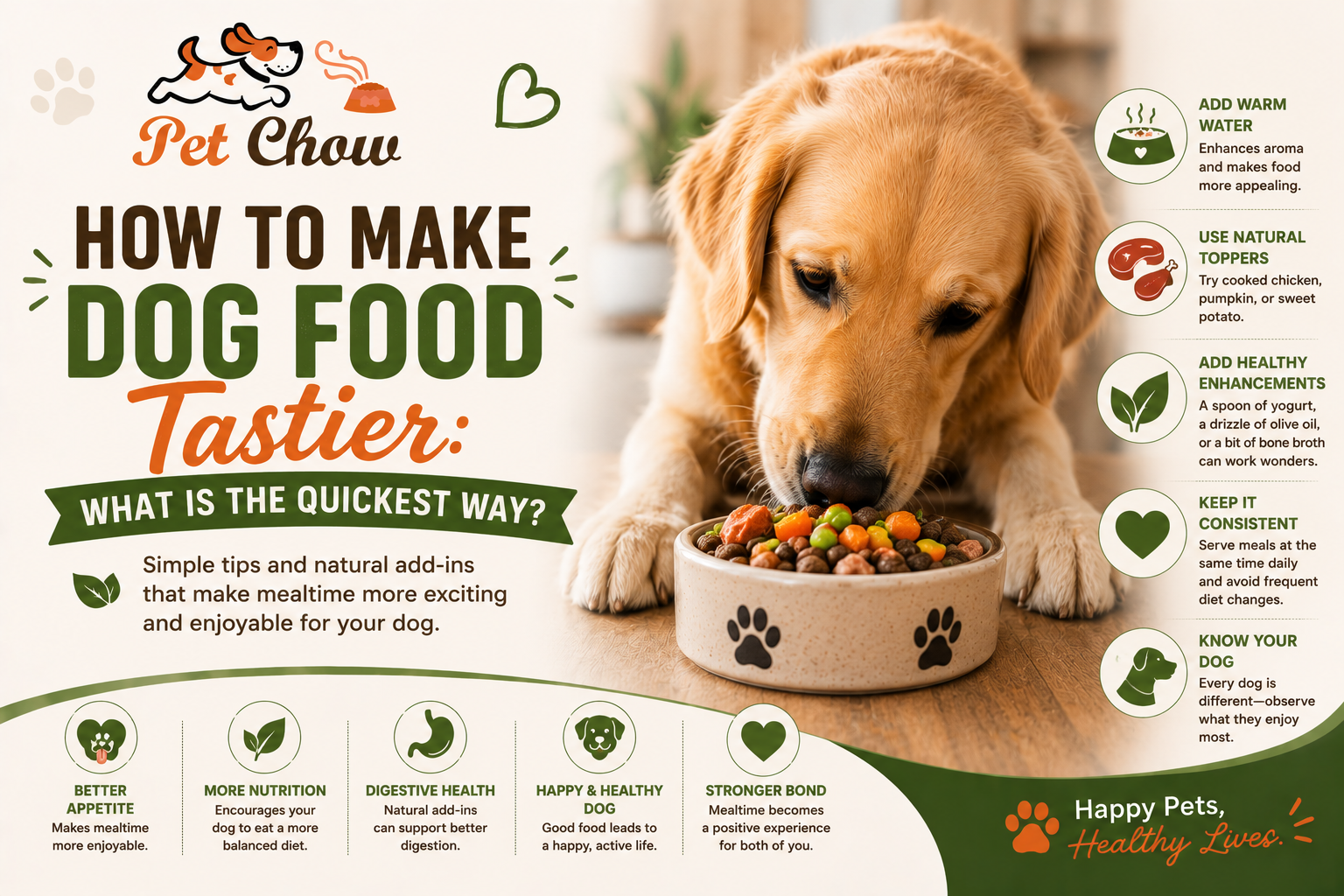
- Warm Up the Meal: Pop wet food into the microwave for a brief five-second warm-up. Heating releases rich aromas that trigger a natural drive to eat. Always double-check temperature with a finger before serving.
- Add Low-Sodium Broth: Pouring a splash of warm, unseasoned chicken or beef broth over dry kibble softens hard pieces and adds rich savory flavor.
- Serve a Bland Diet: Mix plain, skinless boiled chicken breast with plain white rice. This mild combination gives struggling digestive systems a break while offering easy calories. Once they start taking food again, introducing a trusted best multivitamin for dogs can help ensure they aren't missing key daily nutrients while recovering.
Routine and Environment Adjustments
Creating a predictable, low-pressure feeding zone helps anxious dogs focus on their food.
- Designate a Calm Space: Move feeding bowls away from busy kitchens, noisy laundry rooms, or pushy housemates.
- Enforce Scheduled Feeding: Put the bowl down for twenty minutes, then pick it up until the next mealtime. This simple boundary breaks bad grazing habits fast.
- Pause Extra Snacks: Cut out treats and table scraps during recovery so natural hunger builds up by dinner. If you suspect old food is the issue, ordering fresh bags through pet food online India ensures your supply stays sealed, crisp, and nutrient-dense.
Matching Symptoms with Practical Solutions
Selecting the right dog not eating food solutions depends entirely on matching observed habits with practical steps.
|
What You Might Observe |
Likely Root Cause |
Best Action Step |
|
Rejects dry kibble but eats soft treats happily |
Dental tenderness or picky habit |
Soften kibble with warm water; schedule a dental check |
|
Appears anxious, hides, or paces near the bowl |
Environmental stress or noise |
Move the bowl to a quiet, private area |
|
Ignores food, acts unusually tired, or shivers |
Medical issue or digestive infection |
Contact a veterinarian for a health assessment |
|
Rejects a freshly opened bag of regular food |
Spoilage or formula shift |
Inspect the bag date; test with a small fresh sample |
Knowing When to Call the Vet
Skipping one meal isn't an immediate crisis, but specific warning signs demand medical evaluation right away.
Consult a veterinarian immediately if:
- Food refusal lasts longer than 24 continuous hours.
- The issue comes with repeated vomiting, diarrhea, or fever.
- Your dog is a young puppy, an elderly dog, or a tiny toy breed prone to rapid blood sugar drops.
- You notice pale gums, extreme lethargy, or obvious signs of physical pain.
Action plan for concerned Pet Parents
Getting a pet back to eating again usually begins with figuring out whether this is just a picky moment or something more medical. Small tweaks—like warming up the meal a bit, offering a mild bland plate with chicken and rice, or placing the food bowl in a calmer corner—often work to get the dog interested again.
Still, it’s important to watch for changes in mood or body signs, like lethargy or obvious stomach trouble. If home fixes don’t help within 24 hours, it’s best to talk with a veterinarian, just to keep everything safe and not drift into a bigger issue.
Answers to Common Owner Questions
Why will my dog eat treats but ignore regular food?
A lot of the time dogs will “negotiate” , so to speak, because treats have stronger aromas and often more fat. That makes them feel more enticing, and also easier on the mouth. Sometimes it's not even attitude—like they might have mild mouth soreness or just find the kibble too hard , so soft, yummy treats get chosen first.
How long can an adult dog safely go without eating?
In general, a healthy adult dog may manage three to five days without food if they are still drinking water, but you should not treat that like a plan. Waiting that long can turn into a real problem, so contacting a veterinarian after about 24 hours of not eating anything is the safer move.
What home remedy can help a picky dog start eating?
A common simple option is plain boiled chicken paired with white rice. You can do that in small portions and mix it well until it feels inviting. Another helpful idea is warming up low-sodium broth and adding a little to the dry kibble, because the smell and moisture can nudge a sluggish appetite back on track.
Can moving stuff around or loud noises make a dog sort of skip meals?
Yes, sudden environmental shifts, like relocating to a new home or loud thunderclaps, plus general household stress, can trigger anxiety in a dog and that can temporarily kill the appetite, kind of just shuts down the desire to eat.
Why did my dog all of a sudden refuse dry kibble?
If your dog suddenly won’t touch dry kibble, it often means something is bothering their mouth, like mouth ache, a cracked tooth or gums that look swollen. Sometimes it’s also as simple as the kibble being stale, a quick switch in brand, or a mild tummy upset , and then this refusal shows up.
Should an owner ever force feed a dog?
No, you should never force food into a dog’s mouth unless you’re specifically told to do so by a veterinarian. Pushing meals into the mouth can cause intense anxiety, and there’s also a real risk of choking or aspiration.
How does warming up food help a dog feel hungrier?
When you warm wet food, or mix in a bit of warm broth, it releases more aromatic oils. That makes the food scent stronger, and dogs use their nose in a very powerful way, so the smell can pull the appetite back in.
Is it okay to lose my appetite after getting shots routinely?
Yes, it is okay to have the occasional tiredness and decreased appetite after your routine shots. This generally returns to normal after one or two days and should resolve on its own.
Is plain chicken and rice good for a upset stomach?
Plain chicken and boiled rice –without any oil, salt, or spices – will not irritate their stomach and offer simple nutrition while recuperating from the bug.
When does skipping meals become an emergency?
It becomes an urgent medical situation if eating refusal shows up alongside persistent vomiting, diarrhea, pale gums, extreme sluggishness, or if the pet is a little puppy.