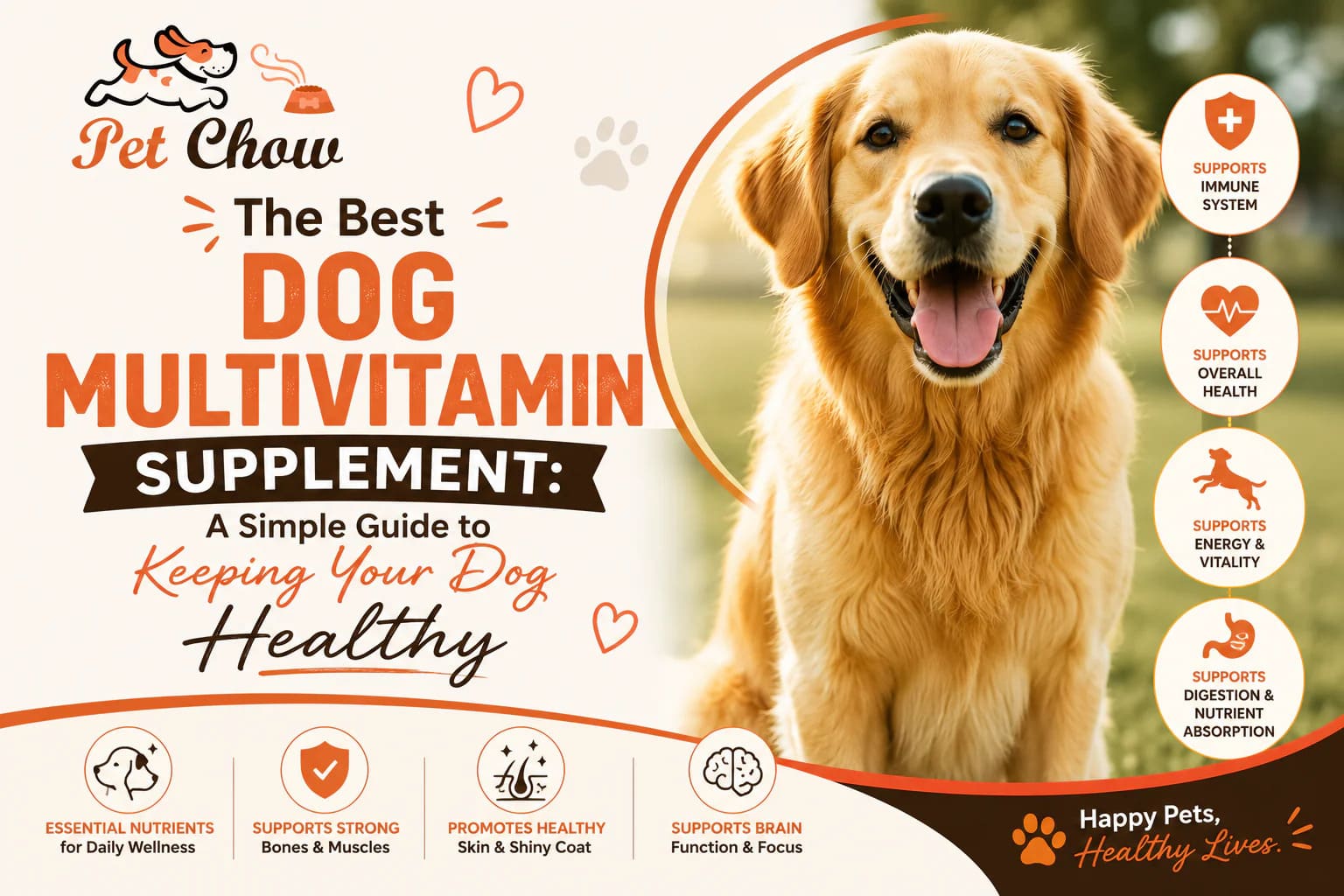

Symptoms of a dog that is scratching, rubbing and shedding constantly is a clear sign that their regular food is not providing them with the necessary nutrients. A good dog skin coat supplement can have the added benefit of directly solving these bothersome problems by replenishing the biological moisture barrier from within. Unlike topical sprays that give temporary relief, oral supplements give the epidermal cells the building blocks it needs for optimal regeneration, causing much less itching and leaving the coat visibly shinier.
The intricacies of nutrition science behind these formulas can help pet owners choose wisely and significantly enhance their pet's quality of life. This guide offers a comprehensive examination of key components of active ingredients, cellular processes, and strategic management that will allow for the best results in the care of a dog's skin.
The Importance of Nutritional Management in Dogs with Skin Disease
The first line of physical defence of the skin barrier is the canine skin barrier itself, which protects against allergens, irritants from parasites and bacteria in the environment. This intricate system is dependent on correct balance of structural proteins, lipid sealing and lipid-producing sebaceous glands to keep it elastic and hydrated.
If the commercial diet is deficient of micronutrients, cell integrity of the epidermis rapidly breaks down. This results in transepidermal water loss or loss of water from the inside evaporates quickly through the skin surface. The first effect is a vicious circle of constant scratching and chewing and chronic dryness, flaky dander. A comprehensive dog skin coat supplement will help break this cycle by supplementing to the deep dermal layers, enabling new cell populations to mature at their best strength and resilience.
Core Ingredients That Power an Effective Dog Skin Coat Supplement
When choosing a formula from prominent pet food brands in India or international options, it is important to read the label of active ingredients carefully. Look for a scientifically proven trio of essential nutrients with zero generic filler ingredients:
Essential Fatty Acids - Omegas 3 and 6.
Polyunsaturated fatty acids are the cornerstones of skin health. Eicosapentaenoic acid (EPA) and docosahexaenoic acid (DHA) found in an omega 3 dog supplement from marine sources like sardine or salmon oil act as potent natural anti-inflammatory agents. The anti-inflammatory action of these marine lipids prevents the release of inflammatory cytokines that intensify skin scratching and redness.
At the same time, omega-6 fatty acids like linoleic acid from plant oils strengthen the lipid matrix of the cell walls. This double action inhibits gaps between the cells of the skin, retaining moisture levels and blocking penetration of microscopic irritants into the outer layers of the skin's cells.
Biotin and B-Complex Vitamins
Biotin, also named Vitamin B7, is a crucial water soluble nutrient, it helps with regulating cellular metabolism, plus it supports protein synthesis. It has a standout hand in making keratin, the base structural protein that forms every single hair shaft, and also nails.
Using a best multivitamin for dogs that includes biotin can help make weak, brittle fur follicles steadier, leading to less year-round shedding. After a medical event or seasonal shift, it also encourages a faster comeback to a thicker, softer coat.
Chelated Zinc and Antioxidant Vitamins
Zinc is an important trace mineral that tunes epidermal cellular turnover, and it speeds up the healing of hot spots, along with small skin injuries. Choosing a chelated type tends to improve absorption across the intestinal wall.
When it is joined with Vitamin E, which is a strong lipid soluble antioxidant, the combo works like a shield for fragile cellular membranes against free radical harm from both pollution and ultraviolet exposure. In turn, it supports healthier elasticity and texture across the whole body, not only in one small area.
How Dermal Supplements Function at a Cellular Level
An oral dog skin coat supplement works systematically from the inside out to correct systemic imbalances. The active compounds are absorbed via the gastrointestinal tract and distributed through the bloodstream directly to the active dermal papillae at the base of the hair follicles.
Once these targeted nutrients reach the local tissues, they alter the fatty acid profile of the cell membranes. This cellular optimization stabilizes the natural oils produced by the sebaceous glands, changing dry, chalky sebum into a fluid, protective layer. This biological shift results in a visible reduction in flaking and creates a brilliant, light-reflecting sheen across the fur.
Formats and Delivery Methods for Canine Supplements
Dermatological formulas are manufactured by top pet food companies in India in several distinct delivery formats to accommodate varied canine preferences and specific metabolic absorption requirements:
- Pure Marine Liquids: Maximum concentration of active EPA and DHA with zero binding agents or artificial fillers. Best suited for mixing directly into dry kibble for picky eaters or large households.
- Flavored Soft Chews: Exact pre-measured dosages where high palatability profiles mimic standard rewards. Best suited for convenient daily administration and simple transport during travel.
- Concentrated Powders: High stability shelf-life that frequently blends structural collagen with botanicals. Best suited for long-term therapeutic management of chronic nutritional deficiencies.
Strategic Management to Maximize Nutrient Absorption
Achieving the absolute best results from a dog skin coat supplement involves combining daily administration with smart lifestyle habits. Because fatty acids are fat-soluble compounds, they are absorbed most efficiently when given alongside a main meal that contains dietary lipids. Maintaining consistent daily timing stabilizes nutrient levels within the bloodstream.
Furthermore, providing constant access to clean, fresh water supports internal hydration, which is vital for maintaining the pliability of the skin matrix. Combining internal supplementation with a regular external grooming routine using a high-quality deshedding tool removes dead undercoat fur, stimulating local blood circulation and allowing the freshly nourished coat to emerge without obstruction.
Conclusion
By investing in a high-quality dog skin coat supplement, you are taking proactive steps towards optimal dog health and well-being. These specialized formulas provide targeted delivery to provide the skin and coat with important marine-sourced omega fatty acids, as well as beneficial biotin and chelated zinc to treat the underlying cause for chronic itching, flaking and dull coats.
If the pet owners are ready to give them their food regularly every day, and they are ready to maintain their pet's health with proper grooming and baseline nutrition, the pet's health within will change dramatically. The end product is a very resilient skin barrier and a beautiful, shiny, reflective coat, reflecting the internal vitality and health.
Frequently Asked Questions
What is the time period for visible changes in a dog's coat upon using a dog skin coat supplement?
Changes in the skin are a slow process of cellular regeneration and hair growth, and while you will see improvement in the first 6-8 weeks of regular daily use, the complete results may take time. Itching of the skin is the first symptom seen, gradually followed by softening of the fur and a noticeable lustre as new hair shafts grow.
Is it safe for a puppy to eat a dog skin coat supplement?
There are many formulas that are designed specifically for adult animals. Essential fatty acids are required for the optimal cognitive and physical development of young animals, however, the critical point is to choose a product specifically formulated for puppies and/or to adhere to recommended dosage levels to ensure that there are no developmental imbalances.
Would a skin supplement be 100% effective in treating chronic dog allergies?
An oral formula is intended to help control and relieve symptoms while strengthening the barrier of the skin and minimizing systemic inflammation. It can't, however, fix a genetic or environmental allergy, but it is a great addition to a comprehensive allergy treatment plan by a veterinarian.
What are the main signs that an animal requires a dog skin coat supplement?
The main signs an animal needs a dog skin coat supplement are usually pretty obvious, like fur that looks dull or feels a bit rough, not just “normal season stuff.” You might also notice ongoing shedding that doesn’t match the time of year, plus little dandruff looking bits along the back or spine. On top of that, frequent licking around the paws can show up, and then there’s the scratching, the kind that keeps going until you see red irritated skin spots, or even a little hair loss where the coat thins out.
Is it possible to overdose an animal on essential fatty acids?
If you give too much, especially from fatty oils, you may see stomach upset, loose stool , or mild tiredness. With very high, long-term overdoing, chronic over-supplementation can stress the pancreas, and then inflammation may occur, so following the exact weight-based directions from the manufacturer is highly critical. Don’t try to “boost it” beyond the label, even if the pet seems to tolerate it at first.
Can plant-based oils replace marine fish oils in a dog skin coat supplement?
Partly, but not the same. Things like flaxseed powder, for example, bring in alpha-linolenic acid, which is basically a precursor fat. Still, a dog does not convert that precursor into active EPA and DHA very well, so the anti-inflammatory compounds don’t arrive in the body in the same useful amount or speed. Marine-derived oils supply EPA and DHA directly, in a form that’s typically much easier for the body to use, so they’re considered more effective for that specific purpose.
Why is chelated zinc preferred over standard zinc oxide in these formulas?
Chelation attaches the trace mineral to an organic amino acid molecule. This structural configuration shields the zinc from interacting negatively with other dietary elements in the stomach, resulting in significantly higher absorption metrics within the intestinal tract.
Should a dog skin coat supplement be paused during the winter season?
No, it is highly beneficial to maintain consistent usage throughout the entire year. Cold winter air combined with dry indoor artificial heating routinely saps moisture from an animal's coat, making continuous nutritional support vital for preventing seasonal cracking.
Are there any specific ingredients to actively avoid when selecting a product?
It is best to avoid products containing artificial chemical dyes, generic animal by-products, heavy synthetic preservatives like BHA or BHT, and high amounts of corn syrup fillers, as these cheap additives can occasionally trigger adverse allergic responses.
Can these formulas reduce the frequency of regular bathing routines?
By stabilizing natural oil production and minimizing dry flaking, the skin naturally maintains a cleaner, more balanced ecosystem. While routine hygiene is still necessary to remove external dirt, a well-nourished coat resists odor and debris accumulation much more effectively over time.