
It's not just a nuisance: bad breath in dogs is often the first indication that a mouth infection is developing. All too many dog owners will purchase dog treats with a mint flavor or chew sticks to eliminate the odor without understanding the full situation. The food that's placed in your pet's bowl every single day is literally the key to keeping teeth clean, a healthy jawbone and mouth without gum swelling.
The proper food for your dog's teeth and gums in their diet makes a world of difference to their long-term health. This comprehensive guide reviews what does and doesn't work, and how you can continue to have a pain-free, comfortable dog on a diet for years.
Why Oral Health Matters for Everyday Canine Wellness
Whether it's playing with a tennis ball or getting your dog to eat their meals, dogs use their mouths for just about everything. Without proper dental care, it's easy to slip into significant health problems:
- Plaque Formation: Food particles, starch and saliva cling to the tooth enamel after eating, forming the invisible film of bacteria known as plaque.
- Rapid Tartar Setup: Within 48 hours plaque turns into hard yellowish-brown tartar when it's not removed. However, after this, it is impossible to dislodge with regular brushing.
- Gum Swelling & Bleeding: Tartar accumulates directly against the gum line, forcing the gum away from the tooth root and making gums bleed, raw and swollen.
- Systemic Health Risks: Long-term, bacterial colonies that grow under infected gums can enter small blood vessels and impose additional strain on the internal organs, such as the heart, liver and kidneys.
- Natural Mechanical Cleaning: Hard, nutritious foods eaten while chewing create a natural 'brushing' action to dislodge plaque before it transforms into hard calculus. Choosing options from the best dog food brands helps ensure kibble offers the right texture for daily oral care.
Essential Ingredients in Food for Your Dog's Teeth and Gums
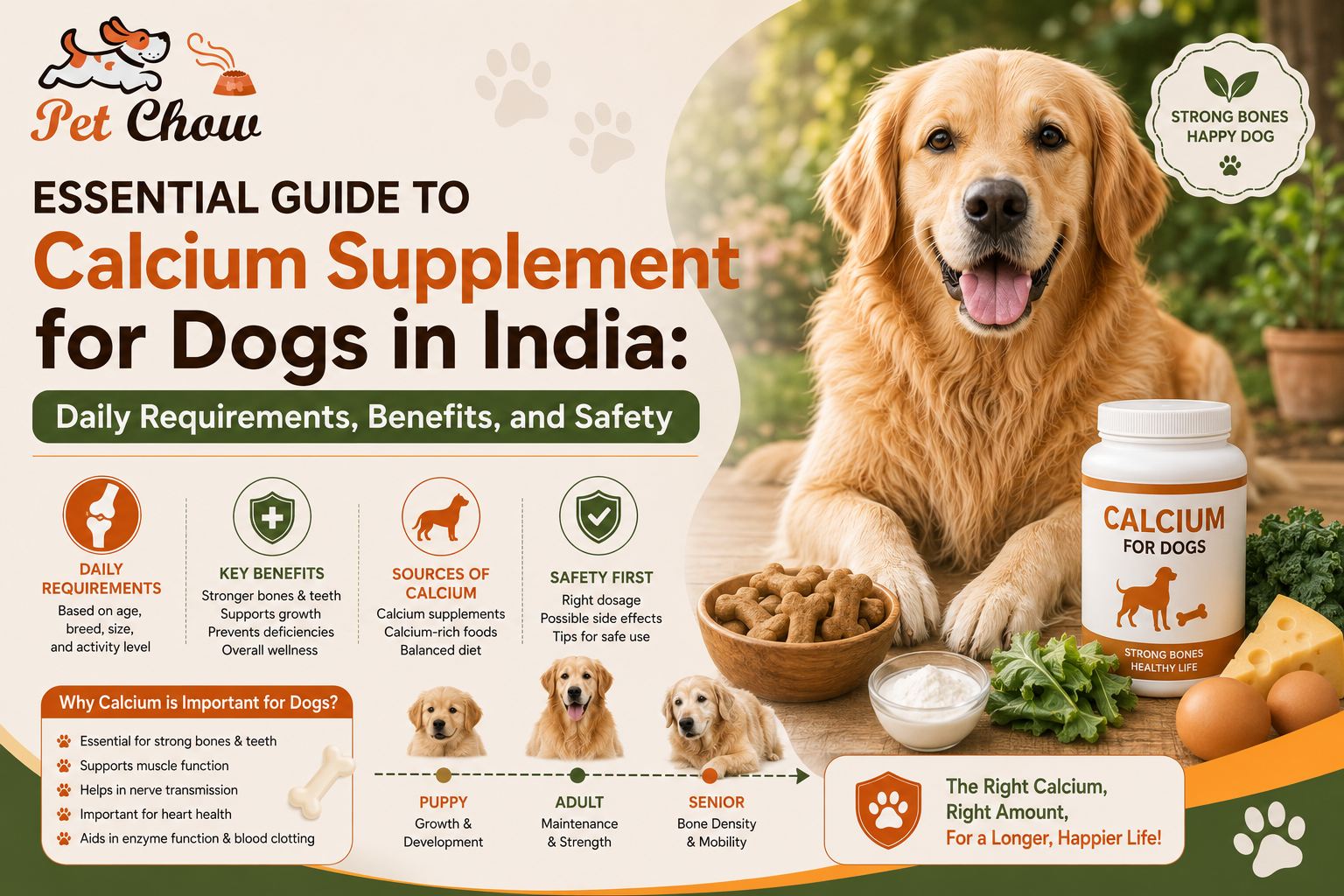
Specific minerals and vitamins act as internal defenders for a dog's mouth. Including these key components in their routine supports solid enamel and keeps delicate mouth tissue resilient.
Calcium and Phosphorus
These two core minerals do the heavy lifting when it comes to maintaining dense bone structure throughout the entire body.
- Skeletal Anchoring: They keep the jawbone strong and dense enough to hold deep tooth roots firmly in place under heavy chewing pressure.
- Enamel Protection: They aid the body in repairing microscopic surface wear on enamel caused by grinding down tough food. Supplying puppies with a well-formulated multivitamin for puppy development supports early jawbone density.
Vitamin C and Antioxidants
Antioxidants shield sensitive tissue inside the mouth from chronic swelling caused by localized bacteria.
- Gum Resilience: Vitamin C supports the tiny capillary walls running through gum tissue, making them far less prone to tearing or bleeding.
- Bacterial Balance: Keeps harmful microbial growth under control, directly cutting down on bad mouth odors. Adding a balanced best multivitamin for dogs ensures your pet receives critical antioxidant support.
Zinc and Polyphosphates
Specialized dental diets often coat their kibble in these specific mineral combinations to halt plaque buildup right at the surface.
- Tartar Defense: Zinc binds with free-floating calcium in a dog's saliva, preventing it from sticking to soft plaque and hardening into tartar.
- Fresh Breath Support: Neutralizes volatile sulfur compounds before they escape the mouth, taming harsh breath odors.
The Role of Dry Kibble versus Wet Food for Dental Care
Deciding between crunchy kibble and canned wet food is a common dilemma for owners looking out for their pet's dental health.
|
Food Type |
Dental Benefit |
Special Considerations |
|
Specialized Dental Kibble |
Large, dense pieces force the dog to crunch through, scraping plaque off the sides of the teeth. |
Formulated not to shatter instantly, so the tooth sinks deep into the piece before it breaks. |
|
Standard Dry Kibble |
Offers mild surface friction as the dog chews. |
Small kibble pieces are often swallowed whole without making much contact with teeth. |
|
Canned Wet Food |
Soft and easy to swallow for older dogs dealing with missing or tender teeth. |
Tends to stick to the gum line and crevices, speeding up plaque formation if teeth aren't cleaned. |
|
Raw & Fresh Diets |
Rich in active natural enzymes that help keep bacterial levels down in the mouth. |
Requires careful food handling and clean prep areas to prevent unwanted bacterial contamination. |
A combination of crunchy kibble alongside safe, natural dental chews usually strikes the best balance between mealtime enjoyment and routine mechanical cleaning. Dog parents can order fresh options via pet food online India services, or explore targeted dog growth supplements to match specific nutritional needs.
Natural Chews and Whole Foods that Clean Teeth
Adding fresh, whole ingredients into a dog's routine provides solid mechanical cleaning while giving them a fun, mentally stimulating treat.
- Raw Crunchy Vegetables: Cold carrots, celery sticks, and sliced apples clean as much as they can do to the toothbrush. When a dog chews on a firm, fibrous carrot, the fibrous parts of the plant rub against the sides of the dog's teeth and cleanse soft plaque.
- Raw Recreational Bones: These are bones you give your dog that are soft and have no bone marrow, such as a chicken neck or beef marrow bones, which are a great way for your dog to get a good scratche. The raw bone material is slightly less firm under pressure, and extends into the spaces between teeth.
- Pure Coconut Oil: Adding a little into your dog's food can help to eliminate bad mouth bacteria and improve the taste of stinky doggy breath thanks to lauric acid, a natural compound found in coconut oil.
Recognizing Early Signs of Dental Problems in Dogs
Dogs are naturally inclined to conceal pain, it is in their nature not to exhibit weakness. Therefore owners should watch for subtle changes in behaviour:
- Sour or Foul Breath: A bad, rotten smell, more than the usual “doggy breath”, is usually a sign of a heavy bacterial deposit under the gum line.
- Red or Inflamed Gums: Healthy gums in dogs are light pink. Active inflammation is indicated by swelling or blood spots on chew toys with dark red edges.
- Crusty Yellow Build-up: Hardened, brownish deposits visible near the top of the teeth along the gum line.
- Unusual Drooling: Heavy, constant salivation—sometimes tinged with a slight pinkish trace of blood after playing with ropes or balls.
Dropping food out of the mouth while eating, chewing only on one side, or whining around the food bowl.
Daily Habits to Keep Teeth and Gums Healthy
A great diet is only part of the equation - when you couple good foods with some easy little things to do each day, you’re guaranteed long term success!
Establish a Daily Toothbrushing Routine
This will ensure you’re giving your dog only what’s safe for them—brush their teeth with a pet-safe enzymatic toothpaste.
Never brush their teeth with human toothpaste (it includes many dangerous ingredients). This has foaming agents and things like xylitol that are toxic to our dogs.
Use Vet-Approved Water Additives
Pour this odorless, flavorless dental additive into your pet’s water bowl to help remove plaque build up in places that kibbles simply cannot access. This product will work silently in the background for you, removing bacterial film with each drink they take.
Maintain Healthy Body Weight
Keeping your dog fit supports total wellness. If a dog is recovering from illness or underconditioned, utilizing a specialized dog supplement for weight gain helps restore muscle without relying on sugary treats that damage teeth.
Provide Textured Dental Toys
Durable rubber toys that have nubs, ridges or grooves can help scrub your pup’s teeth while playing normally.
Smearing a tiny amount of dog-safe peanut butter or coconut oil on these grooves will encourage your puppy to lick and chew them for 15-20 minutes.
Maintaining a healthy smile today through food choices
Proper diet and basic home care of your dog's mouth is one of the simplest methods to help keep your dog's life in good shape. Preventing tartar buildup will help to prevent painful infections before they even begin, help maintain the strength of the jawbone and will also prevent harmful bacteria from damaging internal organs.
With crunchy, nutrient-rich feedings that combine raw veggie treats, safe chew toys and regular veterinary examinations, your pet will be happy, healthy and ready for every meal.
Frequently Asked Questions
What should be the best food for your dog's Teeth and gums?
The best natural protection comes from large-sized dental kibbles that are not crumbly, raw crunchy veggies like cold carrots, and well-balanced diets rich in calcium, phosphorus, and zinc.
If you're wondering whether dry kibbles are a complete substitute for brushing your dog's teeth you're not alone.
Are dry kibbles a complete substitute for brushing a dog's teeth?
No. Larger kibbles will remove surface plaque, but not the plaque that harms the gums and teeth beneath the gum line. Brushing regularly is still the best method.
Is a dog's teeth good to eat raw carrots?
Yes! Raw carrots are firm, low in calories and serve as a natural tooth brushing tool on your dog's teeth while providing the beneficial vitamins.
Even though my dog has eaten his dry food, why does he still have a terrible smell?
If the breath is still objectionable after brushing, there is likely a problem with the digestive tract or plaque has hardened and turned into a tartar that is under the gum line.
Are cooked bones safe for cleaning a dog's teeth?
No, never feed cooked bones. The cooking process dries out the bone, making it brittle enough to splinter into sharp shards that can cause severe internal punctures.
How often should I check my dog's mouth for dental issues?
Lifting your dog's lips to check their teeth and gums once a week helps you catch yellowing tartar, red gum lines, or chipped teeth before they turn into major problems.
Does wet food cause more dental problems than dry food?
Wet food type foods stick to teeth and go under the gum line more readily than dry foods and can lead to quicker plaque buildup if you do not brush regularly.
Does coconut oil help dogs' breath?
Yes. When added to the diet, coconut oil can help to control bad bacteria in the mouth, and so can help to freshen up bad breath.
So, what do I do if my dog's gums bleed too much?
Receding gums indicate that there is inflammation or periodontal disease taking place. It is recommended to visit your veterinarian for a check-up and to determine a suitable cleaning regime.
When should you begin your dog's dental health program?
As soon as puppies are born! Petting, tasting pet toothpaste and crunching safe veggies makes it easier for a young dog to accept their mouth being handled, tasting the toothpaste, and chewing on safe veggies in the future.