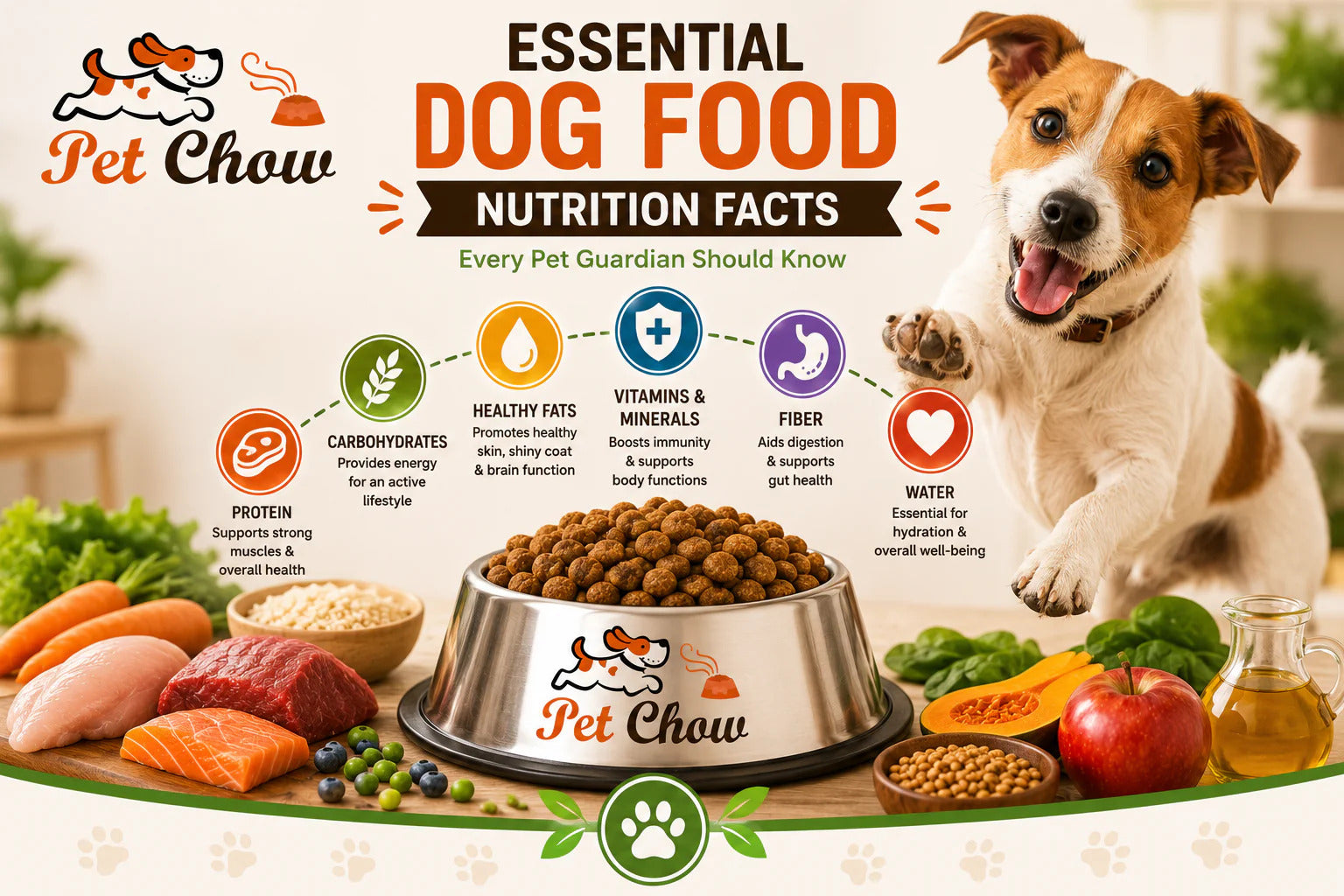

When it comes to picking the best pet food products, the most significant thing an animal owner can do is be sure that the food they are selecting is of high quality, helps build strong immunity in their pet and promotes their animal's good health and longevity. The clear ingredient, functional nutrition, and specific formulations for various life stages are key to understanding the current market. Packed with all the information you need, it's a step-by-step, easy-to-follow explanation of how to select a long-lasting, healthy companion.
Pet owners can play an active part in keeping their pets healthy and ensure proper digestion by selecting whole food sources, ensuring clean manufacturing practices, and ensuring a precise macronutrient balance. The ensuing sections take a critical examination of commercial animal nutrition, enabling shoppers to cut through the corporate marketing hype and determine genuine exceptional dietary choices for their companions.
The Evolution of Balanced Commercial Animal Nutrition
The market for domestic animal food has changed enormously from survival rations to sophisticated preventative health rationing. Today, high quality manufacturing is very much geared towards reproducing a diet that is as close to biological as possible with the strict safety and shelf stability requirements.
- Move towards PREVENTATIVE care: Today's market of feed for domestic animals has shifted from simply feeding to advanced preventative health formulations.
- Biologically Appropriate Diets: Premium manufacturing emphasis is placed on replicating ancestral, biologically appropriate diets, but with the utmost care to absolute safety and shelf stability.
- Macronutrient and Micronutrient Balance: Quality products are precisely formulated to ensure a balanced ratio of the macronutrients and micronutrients needed for more complex bodily functions.
- High Quality Animal Proteins: The foundation of any great formula: Proteins in your formula should be easily digestible animal proteins with the essential amino acids necessary for preserving muscle and repairing cells.
- Advanced processing techniques – Some dietary fibers can directly nourish the gut microbiome and support a healthy gut.
Personalized digestive care with a focus on Gastrointestinal Health: to ensure efficient nutrient absorption and to prevent digestive problems even in large animals.
Critical Nutritional Components in Premium Formulations
Evaluating the ingredient panel of commercial formulations requires a keen eye for specific structural components. High-quality options prioritize whole food sources over ambiguous by-products and artificial additives.
Essential Fatty Acids and Joint Support
- Omega Lipids: Look for items enriched with omega-3 and omega-6 fatty acids, frequently sourced from marine oils, salmon, or flaxseed. These lipids are indispensable for maintaining the integrity of the skin barrier, treating common issues like a red spot on dog skin, and promoting a dense, glossy coat. For targeted care, utilizing a specialized omega 3 dog supplement can dramatically boost dermatological wellness.
- Mobility Integrity: Advanced formulas tailored for mature or large animals incorporate glucosamine and chondroitin to safeguard joint cartilage, reduce inflammation, and maintain long-term mobility. When food alone lacks these therapeutic levels, introducing a dedicated joint supplement for dog configurations keeps aging legs moving smoothly.
- Cardiovascular Health: Premium recipes integrate natural taurine and L-carnitine to preserve heart muscle strength and encourage efficient fat metabolism.
Clean Labels and Transparency
- Explicit Naming: Consumers prefer to know which kinds of meat are used (e.g. deboned chicken or wild-caught whitefish) instead of the generic term, animal meal.
- Chemical Avoidance: The best brands use only those artificial dyes, flavors, and problematic preservatives that are not considered to be harmful to health—such as BHA, BHT, or ethoxyquin.
Advanced processing plants use mixed tocopherols (Vitamin E) and rosemary extract to keep freshness intact naturally, without the addition of synthetic toxins to the regular diet.
Distinguishing Between Dietary Formats
Different physical formats of animal nourishment offer distinct logistical and physiological advantages. Balancing these formats can maximize both convenience and hydration.
|
Format |
Core Advantage |
Best Suited For |
|
Dry Kibble |
Exceptional shelf life, cost-effective, supports dental mechanical cleaning |
Daily base feeding, multi-pet households, automated feeders |
|
Wet Food |
High moisture content, intense palatability, low processing temperatures |
Picky eaters, senior animals, pets requiring urinary tract support |
|
Freeze-Dried / Raw |
Minimal nutrient degradation, highly bioavailable ancestral protein |
Premium supplemental feeding, active animals, sensitive stomachs |
Addressing Life Stage and Breed Customization
Dietary formulas are not suitable for a newborn animal, a pregnant female nor a sedentary aged animal. Creating a personalized approach to preventing chronic metabolic diseases is the answer.
- Growth and Youth: For rapid skeletal growth and cognitive development, dense caloric intake is required, and a higher calcium/phosphorus ratio and DHA are needed to support the development of youth. In the case of an additional need for reinforcement of the bones' structure, the best dog calcium supplement is the most effective method.
- Seniors: Lower calorie profiles paired with higher antioxidant levels help to offset oxidative stress, preserve organ function and improve declining mental abilities.
- Mechanical Suitability: Breed-specific shapes and sizes play a mechanical role, ensuring that small jaws can safely masticate kibble while large breeds do not ingest food too rapidly, minimizing the risk of gastric torsion. Regional supply chains managed by top pet food manufacturers in India now produce these highly tailored kibble profiles locally to keep ingredients fresh.
Conclusion
Spending time studying pet food products has a direct link with the life span, energy and health of domesticated animals. Owners can prevent many of the nutritional pitfalls by focusing on the transparent sources of protein, the right physical protein format and the right protein choice for the right life stage. Selecting scientifically backed, wholesome nourishment from trusted portals like PetChow remains the cornerstone of responsible companion care.
Frequently Asked Questions
How do you know good pet food products?
The best ones specify named cuts of meat as the first ingredient, have natural preservatives such as tocopherols and exclude any artificial dyes. Labels may include certifications indicating nutritional adequacy.
The value of dry kibbles versus wet kibbles?
Dry kibbles are more convenient in terms of structure, have a longer post-purchase life and are more economical per serving. Wet options are much higher in moisture and will help with kidney function and are more likely to be enjoyed by unwilling eaters.
What is the rationale for using a grain-free formula for pets?
Grain-free formulas are designed to address certain people who have confirmed wheat, corn or soy allergies or sensitivities in their skin or gastrointestinal system. They use different carbohydrates as substitutes for these – such as sweet potatoes or lentils.
What does the CP on a guaranteed analysis panel mean?
Crude protein is an estimate of protein content and it represents the percentage of nitrogen in the formulation. This percentage comes out of mostly animal vs. plant-based concentrates.
What should be done if a dietary formula change is decided for a transition?
It is recommended that it take 7-10 days to gradually introduce, to avoid metabolic or digestive issues. Continue to add more of the new food and less of the old food every day until the mixture is 100% new formulation.
Can artificial preservatives be harmful in the long-term?
Artificial preservatives such as BHA, BHT, and ethoxyquin can help keep foods fresh for longer, but have been questioned for their potential long-term health effects. Natural alternatives like rosemary extract and Vitamin E are generally considered safe options.
What is the right amount of meal to feed a day?
Serving sizes should be calculated according to the caloric density of the food, body weight, age and activity level. Following manufacturer's feeding instructions and checking with a vet will help keep weight up.
But what is the value of functional ingredients such as prebiotics?
Prebiotics and live cultures of beneficial bacteria promote the growth of beneficial bacteria in the digestive tract. This enhances stool consistency, increases absorption of nutrients and strengthens the systemic immune response from the gut.
Why do senior companion animals need those specialized nutritional profiles?
In older animals metabolism tends to slow down , digestion can feel less efficient, and over time there can be joint related wear. So senior formulas usually dial the fat levels down a bit, and then raise the fiber amount, add high-quality lean protein, plus certain joint protecting compounds.
How does solid packaging help commercial animal nourishment stay better longer?
Advanced multi-layer packaging uses oxygen and light barriers to curb fat oxidation, and it also helps keep delicate vitamins from breaking down too fast. Then strong, well-fitted seals block moisture from getting in , that way mold growth is reduced and the product retains its crispness.