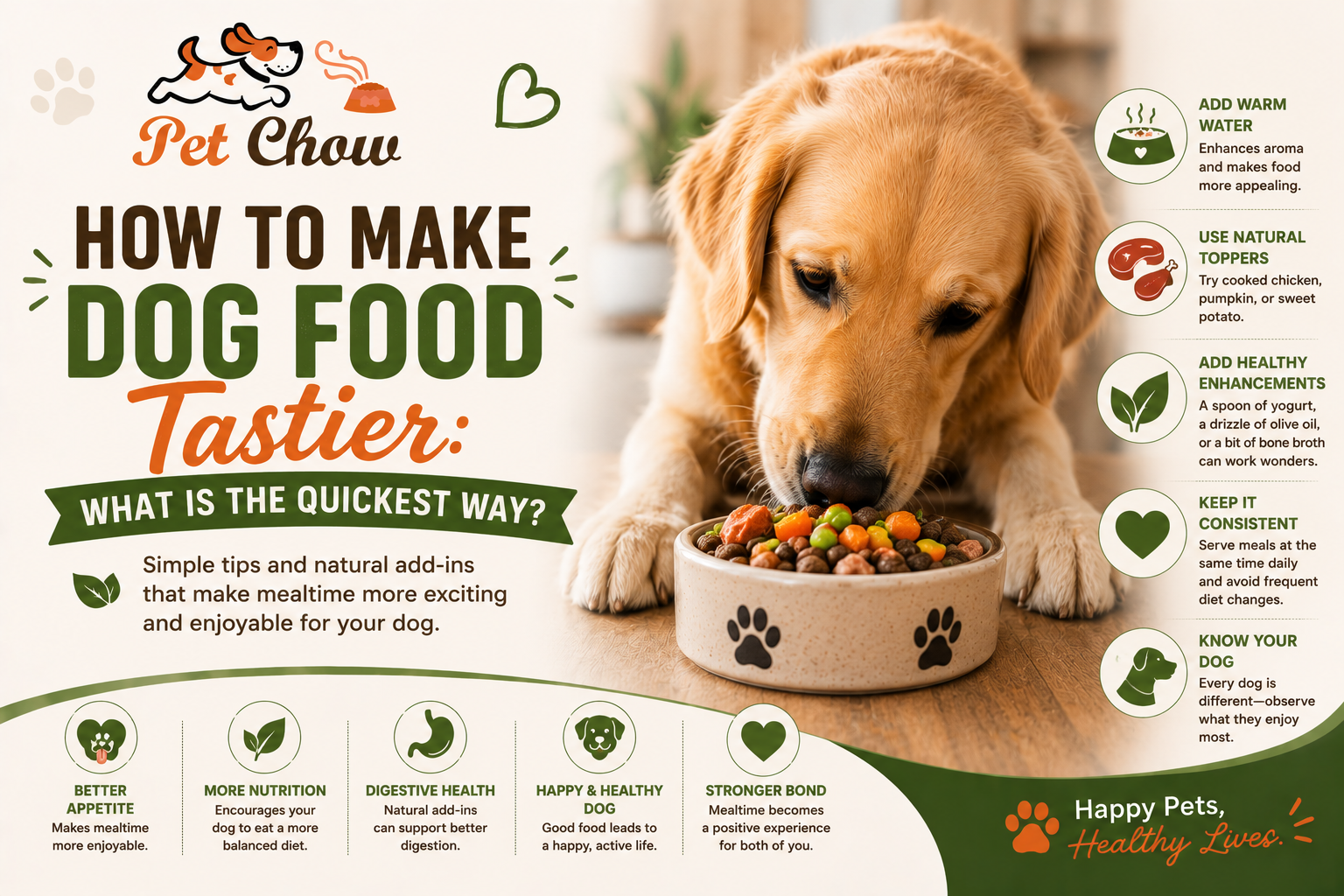

Don't be concerned if your dog turns its nose away from food when you are feeding it. Heat food for 10 seconds, limit feeding to a 20 minute window and eliminate midday feeding right away. These quick picky eater dog remedies allow them to get hungry and help create healthy eating habits quickly without forcing them to change their eating habits altogether.
You don't want your furry friend to ignore a new bowl of food which is frustrating and worrying. You're not sure whether they're ill, obstinate, or simply playfully bored. Thankfully, food refusal is not an emergency situation. You can make it fun to eat again with a few simple changes in your pup's lifestyle.
Why dogs stop eating—the real reasons
Dogs don’t usually refuse food for no reason. Figuring out why they’re avoiding the bowl helps you choose the right fix.
- Routine changes and stress: Dogs like routine. They may become anxious at the sight of moving into a new home, a new infant or pet, when construction work is going on, or even if your work schedule changes.
- Excessive snackage and table scraps: Treats, chews or table scraps are too frequent. A dog that eats all day long, won't fight with more tasty treats during feeding time.
- Food boredom and learned behavior: Constantly eating the same meal can get monotonous. Even worse, if you've been giving your dog human treats for refusing kibble, that's what they will expect next time. Choosing nutrient-rich options from best dog food brands can help keep their diet appealing and balanced.
- Sudden illness: If a sudden drop in appetite occurs, it may indicate a stomach upset, infection or other type of illness. If appetite is lost alongside being apathetic, vomiting, drooling or losing weight, check with your vet.
Difficulty eating due to physical pain, such as arthritis, tooth pain or an awkward bowl. Older dogs or large dogs may have trouble bending to the floor bowls.
Behavioral signs that it’s not medical
If your dog is playful, active, and maintaining weight, the problem often comes down to behavior. Common behavioral signs include:
- The “sniff and walk”: They smell the food, then walk away.
- Topper hunting: Eating only a tasty add-in and leaving the kibble untouched.
- Hand-feeding preference: Snubs the bowl but happily eats from your hand.
- Treat-first feeding: Ignores dinner but bolts for treats.
If these patterns are present, home-based behavior fixes usually work well.
Quick, effective remedies to try first
Try these simple changes for 3–7 days before moving to more complex solutions. They’re low-cost and easy to apply.
If you can, heat the food up to make it smell better.
Hunger is stimulated by a dog's sense of smell. Try serving warm (not hot) bone broth or water or a few tablespoons of warm (not hot) water over dry kibbles or microwave wet food for 5–10 seconds. This additional scent may stimulate the appetite and make people want to eat right away.
Set a feeding schedule of 20 minutes
Place food down, start the timer and raise the bowl up after 20 minutes regardless of how much they ate. No Snacks between scheduled meal time. This tells them there's no such thing as instant food and it brings back a hunger cycle.
Stop all additional people food and treats
Eliminate treats, chews and table scraps for 3-5 days. If food is the only source of calories, natural appetite will quickly resume. Be careful with training treats in the reset time.
Add measured toppers, then taper
Rather than permanently upgrading their food, mix in something small, like a teaspoon of plain pumpkin, unflavored Greek yogurt, canned salmon in water with no bones, or a warmed low-sodium broth. After a few days of solid progress, take the topper down bit by bit, until they finally accept plain food again.
Make mealtime feel like a job, try puzzle feeders
Snuffle mats, slow-feed bowls, and food-dispensing toys can turn eating into a more stimulating task. For dogs that are bored or unusually smart, this kind of thing really leans into natural foraging tendencies and it boosts their interest in regular kibble.
Try an elevated bowl
For seniors or dogs with neck, hip, or back discomfort, an elevated feeder makes posture comfortable and reduces pain while eating. Soften kibble with warm water to ease chewing. If joint stiffness is slowing them down during mealtimes, incorporating a targeted supplement like a himalaya dog joint supplement can ease physical discomfort so bending and eating feels effortless.
Switch presentation, not brand
Sometimes small changes in texture or temperature help, like mixing the same kibble with a bit of wet food, or swapping between similar kibble shapes rather than changing brands often. Frequent diet pivots can mess with digestion and end up strengthening picky behavior, a bit.
Step-by-step plan to reset picky habits (7 days)
Follow this structured plan to restore consistent eating:
- Day 1: Remove all treats and table scraps. Warm a single meal with a small amount of broth. Offer for 20 minutes and remove.
- Days 2–3: Keep the 20-minute window. If they refuse, wait until the next meal; do not offer alternatives. Offer brief play or short walk as a distraction before meals.
- Days 4–5: Add a gentle topper (1 tsp yogurt or pumpkin) if needed. Begin food puzzles for at least one meal per day.
- Days 6–7: Start tapering the topper amount. Maintain two or three scheduled meals with the 20-minute rule, depending on your dog’s feeding routine.
If no improvement after a week, review for physical issues and consult your vet.
Tailoring solutions for common scenarios
The grazer: Takes hours to nibble through a portion.
-
Fix: Two strict 20-minute sessions, no free-feeding.
The spoiled eater: Demands toppers to dine.
-
Fix: Gradual reduction of toppers over 7–10 days; increase meal interest with short pre-meal play.
The senior pup: Hesitant to bend or chew.
-
Fix: Elevated bowls, softened kibble, dental checkup if necessary.
The anxious eater: Skittish around mealtime due to stressors.
- Fix: A quiet, consistent feeding location and calm pre-meal routine (5-minute sit or leash walk).
When picky eating becomes medical
Some symptoms are an emergency and must be treated immediately by a vet. If you see any of these signs, call your vet:
- When all food and treats are refused for over 24 hours.
- Rapid weight loss, loss of muscle mass or change seen in the body.
- Excessive drooling, pawing at the mouth, bleeding gums, or bad breath.
- Lethargy, vomiting or diarrhea in addition to loss of appetite.
- Skin irritations or unusual spots that cause discomfort. For instance, discovering a red spot on dog skin alongside appetite loss can signal underlying allergies, infections, or stress that need medical review.
Tools and items that help (but aren’t magic)
- Snuffle mats and puzzle toys: Mental stimulation and for dogs who are not interested in kibbles.
- Elevated feeders: Useful for older dogs and some breeds, and should be raised up to the dog's elbow level.
- Low sodium broth: Will add flavour without too many calories; check ingredients for onion/garlic.
- Treat pouches: Take the time to measure treats and refrain from over feeding between meals.
Common mistakes to avoid
Rewarding refusal with person food or high value treats teaches picky behavior.
- Always changing formulas: That's saying that if a child refuses food, he/she will get another option.
- Free-feeding throughout the day: Eliminates the signals of hunger and promotes grazing.
- Too frequent use of toppers: These should be used as a short term management, not as a permanent one.
Long-term strategies for reliable eating habits
- Keep feeding times consistent: Dogs do best with routine; stick to the same times daily.
- Track weight and body condition: Weekly checks help catch problems early.
- Reserve treats for training and special occasions: Make meals the main source of calories.
- Nutritional boosters: For growing pups or dogs rebuilding their appetite after an illness, adding a tailored multivitamin for puppy ensures they receive essential nutrients even during lighter eating phases.
Reasonable expectations and patience
It might take some dogs days, others weeks to retrain habits. The consistency is more important than the intensity. Most picky dogs will resume normal feeding habits in a few weeks if they are calm, predictable, and persistent.
If you are not sure, or if the loss of appetite is accompanied by other symptoms, please feel free to call your veterinarian. Changes in appetite may be easily corrected or may be indicative of more serious problems.
Healthy Habits for Happy Mealtime
Picky eating can be a habit, presentation and routine problem that can be solved. Make the use of warmers and toppers effective, have a very specific feeding time (no more than 20 minutes), reduce daytime food intake, and make mealtimes enjoyable.
It is usually a gradual process to get a healthy appetite back without all the fanfare. With the proper approach, your dog will look forward to mealtimes and you'll have happier, quieter pets.
Frequently Asked Questions
Which is the easiest method to get a critical canine to eat a treat?
Warming foods with hot broth or water, and eliminating all foods eaten during the day, will result in the quickest results. The warmness gives out the alluring scents which provoke their hunger; their hunger is genuine when they sit down to dinner if they don't eat extra snacks.
Why is my dog only eating treats and not his food?
The treats are full of rich fats, strong aromas and high value flavours, much tastier than usual dry kibbles. When your dog learns that she has to wait for a bit of tasty food after she refuses a meal, she will intentionally withhold it each time.
Can a healthy dog go without food?
It is OK for a healthy, active, adult dog to miss one meal. In fact, it assists to reset their natural hunger cycle. Ensure that they can always access clean, fresh water all day.
For a picky eater, how long is as long as to leave food?
Keep the bowl down for only 20-30 minutes. When the time runs out, lift the bowl, however much is still in the bowl. If left outside the whole day, they tend to graze sloppily and will not eat much.
Does a dog refuse food due to change in routine or stress?
Absolutely. Changes in the home, like a new dog or house renovations, or a new schedule at work can increase your dog's stress levels and cause them to lose their appetite for a while.
When should I change my dog's food brand when he refuses it?
No, don't buy another brand immediately. Frequent food changes may upset your dog's stomach and actually encourage pickiness by teaching them that not eating means it can be fun. Adjust the schedule and/or use warm mixers.
Does using an elevated bowl really help a picky eater?
It does – particularly with older pets, big dogs, and with dogs that may have a bit of joint stiffness. They are likely to strain their neck, back and front legs if they are forced to bend all the way to eat from the ground, so a bowl that is up off the ground will be much more comfortable.
When should food refusal turn into a vet visit?
If your dog refuses everything for 24 hours or longer, or if you see warning signs such as excessive salivation, vomiting, diarrhea, poor appetite or lethargy, consult your veterinarian.
Do puzzle feeders and snuffle mats cure picky eaters?
Yes, they do miracles for bored dogs! Snuffle mats and puzzle toys, which encourage the natural foraging instincts of your dog, can make mealtime a fun game of "hunting" rather than a task.
Is small dog or large dog breed more discriminating?
A small dog is not naturally pickier; it is just that he becomes spoilt more quickly because the owner provides him with extra treats, hand-feeding or table scraps. Additionally, they have a smaller stomach, which means that they fill up quickly with small snacks taken during the day.