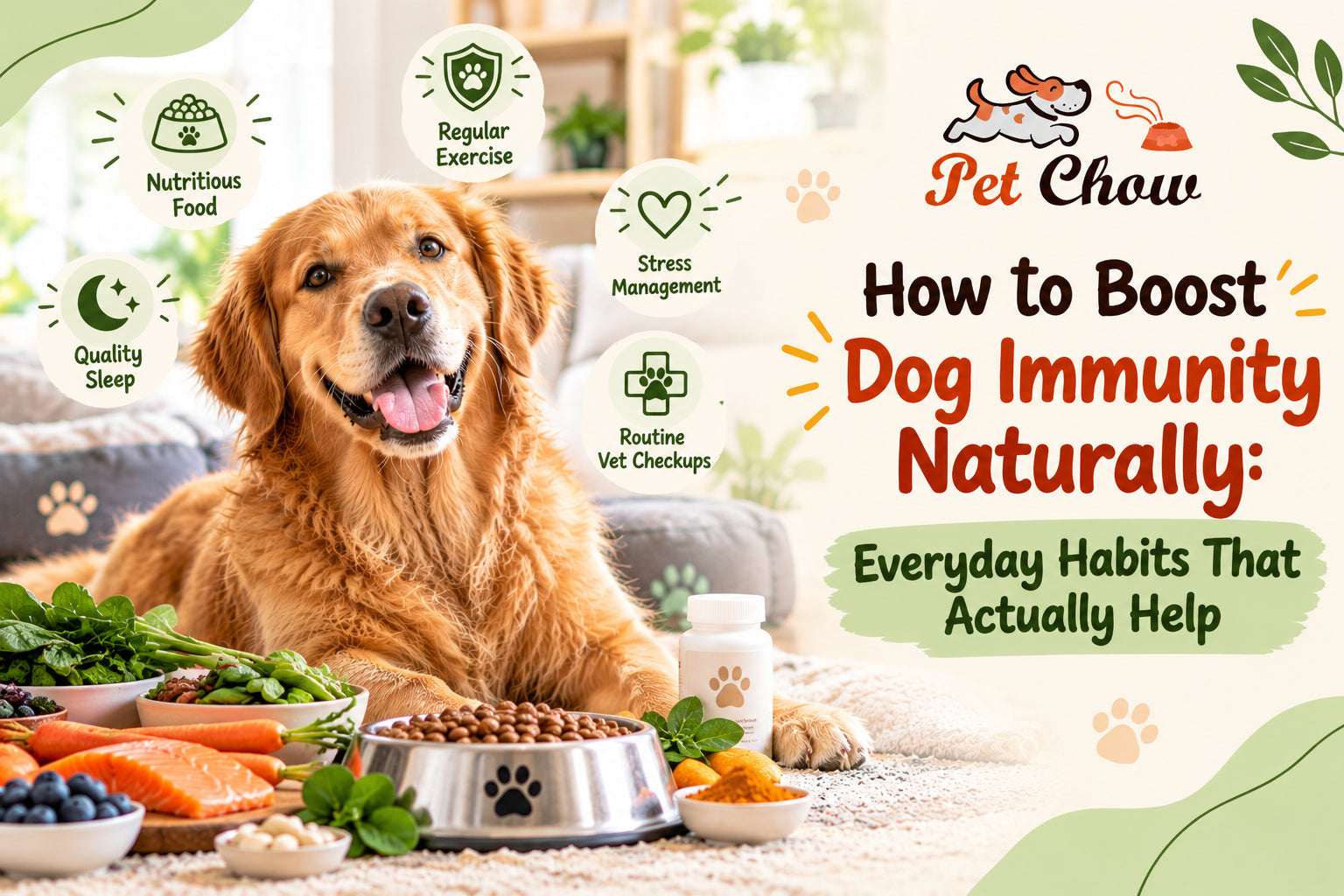

The first step towards seasonal illnesses in dogs prevention is the little things they do every day. Wipe paws after outside walks, keep cool and dry, have lots of water available on hot/drizzly days, keep good tick and flea control, and keep dogs up to date on all vaccinations. Many seasonal problems can be avoided if they are addressed with these simple steps.
There are many dog owners who don't know how much the weather affects their dogs. They may lose their energy during the summer season because of high temperatures. It rains, it brings mud, fungus and skin trouble! The cold air will dry them out and cause coughs to be more likely. Fortunately, by taking a few precautions, most of these problems can be avoided.
What Causes Seasonal Sickness in Dogs?
Dogs do not stay in one setting all year. As the seasons change, their health worries change too.
Pollen and dust
In spring, plants let pollen drift in the air. In dry fall stretches, dust can also rise. Some dogs respond by scratching more, licking their feet, rubbing their face, or getting red and watery eyes.
Fleas, ticks, and mosquitoes
When it turns warm, these pests become active again. Fleas often lead to strong itch. Ticks can bring along infections. Mosquitoes can spread heartworm. Dogs that hang out in grass, public parks, or near trees tend to run into more of them.
Rain, mud, and sticky air
After rainy days, fur stays damp longer than usual. That wetness can help yeast and fungus grow on the skin. It is most likely to show up between toes and in or around the ears.
Cold Air and Indoor Heating
Winter winds combined with indoor heaters strip skin moisture. This can lead to cracked paw pads, dry coats, sore throats, or a persistent red spot on dog skin.
Spring Care: Allergies and Ticks
Spring feels refreshing after winter, but it also brings pollen and active ticks.
Tips to ease spring allergies
A dog's coat, paws and belly will often catch on to pollen after walking. This may cause skin irritation, redness and excessive licking.
The following simple habit helps a lot. Bathe your dog with a wet cloth after he's outdoors. Focus on the paws, legs, tummy and face. It's possible to bathe your dog in a mild dog shampoo and remove pollens without stripping him of his natural oils.
When supporting young dogs through their initial growth stages, pairing daily nutrition with a quality multivitamin for puppy or a targeted dog supplement for growth helps build strong natural defenses. If itching persists or causes hair loss, consult a veterinarian.
Summer Safety: Heat, Water, and Insects
Heat can be dangerous, but summer is fun. Dogs cool themselves primarily through panting and thus cannot tolerate high temperatures as can humans.
Avoid Walking in Extreme Heat
Walk in the morning or in the evening. Try to avoid going out during the hottest part of the day.
Even for a few minutes, never leave a dog in a parked car. The inside can heat up quickly and be life-threatening.
Have fresh water on hand
Bring water for walks, particularly extended trips. This can be accomplished by having a collapsible bowl. Feed small amounts frequently, rather than leaving your dog a bowl of water when you think it's asking for it. Choosing nutritious options through a reliable pet food online india service ensures easy access to quality meals.
Clean up water bowls at home and fill them up all day.
In summer, while pavement heat is very hot. Hold your back on the road for approximately 7 seconds before walking. If it is too hot for you, it is too hot for your dog!
Where possible, avoid roads that are paved with concrete or tarmac.Avoid concrete or tarmac roads, or walk during cooler times of the day.
Guard Against Mosquitoes
Diseases can be spread by mosquitoes, such as heartworm disease. One of the most important doggie summer habits is monthly prevention as recommended by a veterinarian.
Monsoon and Autumn: Mud, Fungus, and Dirty Water
Rainy months bring their own set of problems. Mud, wet fur, humidity, and standing water can all affect a dog’s health.
Prevent dogs from coming near still water
Though puddles may not seem dangerous, they can contain bacteria and other harmful organisms. If water in which the dog is drinking is soiled, he may suffer from stomach upsets and may even become seriously ill.
Do keep your dog on a lead in flooded areas or puddles. Provide clean water before and after walks, as this will reduce the likelihood of dogs taking water elsewhere.
Dry Your Dog Properly After Rain
Fungal and yeast infections are a common cause by damp fur. Dry coat, paws, belly, skin folds and ears after a walk in the rain with a clean towel.
Extra attention is required for dogs with floppy ears or thick coats. The ear canals can become easily moist, which can result in itching, odour and infection.
Change Bedding and Bowls Frequently
High humidity may lead to mould and bacteria in your house. Regularly change and wash your dog's bedding and food and water bowls. It is also very important to have a dry and clean sleeping area.
Winter Protection: Dry Skin and Coughs
Cold weather can be tough on a dog’s skin, paws, and breathing.
Regularly moisturise Skin and Paws.
Dry and flaky skin coupled with dull fur is often caused by the winter air. This can be aggravated by indoor heating.
Some coconut oil or fish oil is ok for your dog's skin, but consult your vet for the proper dosage first. Use a pet safe paw balm on paws to keep them from becoming cracked and sore.
Don't walk on ice that's been coated in dangerous ice-melting chemicals. These can be painful to pawpads and can be toxic if swallowed.
Take steps to minimize your risk of getting sick in the winter.
- Dogs' airways and throat can be irritated with cold air. Stay away from drafts, cold floors and direct air flow from heaters in their bed.
- During cold walks, dogs with short hair, puppies and senior dogs might require an additional layer. A snug and well-fitting dog sweater may be helpful, but don't make your dog immobile.
- Doing routine veterinary visits and vaccinations.Taking routine veterinary checkups and vaccinations.
Regular Vet Visits and Vaccinations
Regular maintenance will detect minor problems early. Any veterinarian will be able to detect changes in the skin, ear infections, a change in weight, dental issues, or the presence of parasites before they become more serious problems.
Maintain up-to-date core vaccinations. Your veterinarian may also suggest protection against kennel cough or leptospirosis, particularly if your dog visits parks, muddy trails or places with water that does not dry up.
Food and Daily Habits That Support Immunity
Dogs that have a strong immune system will cope better with the seasons. The role of good food, rest, exercise and low stress is involved.
Safe Kitchen Additions
Natural probiotics in plain curd or yoghurt might help the entire body health. Cooked pumpkin is a source of very gentle fibre and digestion promotes. Steamed carrots are low calorie, crunchy and packed with vitamins. Small amounts of seedless apple slices make a refreshing snack.
Set up a good daily routine
Dogs require regular sleep times, regular exercise and a quiet home. Most dogs grownups are pretty happy about having daily walks, playing with other dogs and a secure space to lie down and rest.
Don't alter food, schedule, and activity plans during a weather transition. A foreseeable day will decrease stress and assist in holding up solid body framework working.
Conclusion
Preventing seasonal illnesses from taking over your dog’s health doesn’t have to be complicated! Just pay attention to the weather, make some smart changes, and watch out for the little things.
When it’s springtime, wipe off the pollen. During summer keep your dog cool and hydrated. When there are rains, ensure that they’re dry properly. In winters take precautions for their skin and paws. Add these factors along with frequent visits to the vet, prevention of parasites, feeding quality food, and daily exercise.
You’ll see an amazing difference in your pets’ health if you follow this consistently. So start today! Your four-legged buddy will thank you for keeping them active and healthy all throughout the seasons!
Frequently Asked Questions
What are the most prevalent wintertime doggie diseases?
Common problems include cold, hay fever in spring, heatstroke and tick bites during the summer, fungal skin infections during rainy days and dry skin or coughs during the winter.
How to know if my dog is itchy because of a season?
Seasonal itching tends to reappear at the similar time annually. During some months be alert for paw licking, belly biting, face rubbing, ear scratching or watery eyes.
Should you still need to treat your dog for flea and tick in the winter?
Yes. Fleas and some ticks can survive indoors, where it is warm. The best policy is to take a preventive approach all year long.
When the weather changes should I do bathing my dog more than once?
Most dogs will need to be bathed every 3-4 weeks with a mild dog shampoo. Bathing too frequently can take away the natural oils and result in dryness.
What are the first symptoms of heatstroke in dogs?
Check the most dangerous signs of heatstroke in dogs: heavy panting, thick saliva, red gums, weakness, dizziness, vomiting, and refusal to walk. What to do in this case: take the animal to a shaded area and call a veterinarian as soon as possible.
Is it possible to give the dog an antihistamine drug designed for humans?
It is not recommended to give the dog any medicine without the knowledge of the veterinarian. Some substances in human drugs are toxic to pets.
Why do dogs suffer from ear infections after walking in the rain?
The reason is that the skin and ear canal of the dog do not tolerate a long stay in water. There is a lot of moisture in the ear, so there is a breeding ground for pathogens. One of the ways to prevent infection is to dry the animal after the walk.
Does consuming some of these fresh foods improve dogs immunity?
Feed small portions with safe foods such as plain curd, cooked pumpkin, carrot or apple slice to ensure good nutrition. Remember that these are just supplementary and cannot replace a healthy dog diet completely.
Can stress weaken a dog’s immune system?
Vomiting often. Not eating anything for over 24 hrs. Weakness in general. Trouble breathing. Open sores forming. Any symptoms of heatstroke.