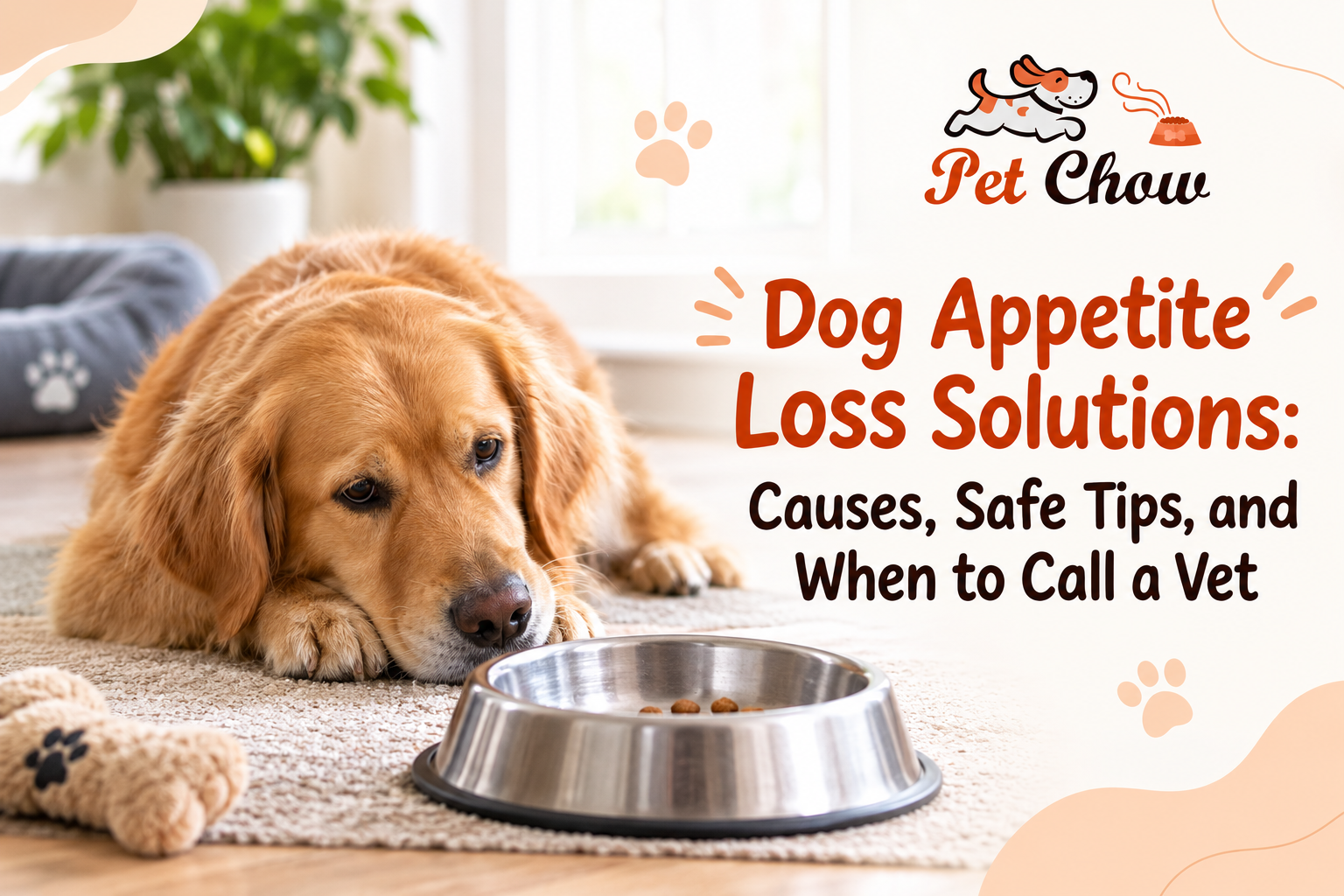

It is possible for a dog to have an upset stomach and not exhibit any apparent symptoms. The first symptom can be a missed meal, more drooling, stool changes, or the dog suddenly not wanting to join the family. These changes may occur after the introduction of a new treat, a rapid change in food, spoiled food, stress, or consuming something unfit for their consumption. Other times, they may indicate an infection, blockage or other health issue. Dogs indicate digestive upset by a variety of signs, which allow their pet parents to identify when something is amiss and take the appropriate action. If the vomiting is mild, it may be better to be careful, but if it is repeated or there is pain, or blood or weakness or a puffed-up belly, it shouldn't be overlooked.
What Digestive Discomfort is.
Digestive discomfort is an umbrella term used to describe any stomach or intestinal discomfort in dogs. May last a few hours or for several days. Signs may be mild (with gas and sometimes soft stool) or severe (with repeated vomiting and severe abdominal pain).
Dogs are unable to tell you where it hurts. Instead they exhibit behavior changes, appetite changes, stool changes, energy changes and position of the body. Some dogs get calm and submerge themselves. Others pace, whine or move from position to position due to lack of comfort.
A single mild symptom does not always mean that a dog has a serious illness. However, several symptoms together deserve more attention. For example, soft stool in an otherwise happy dog is different from watery diarrhea with weakness and refusal to drink.
Common Signs of Digestive Discomfort in Dogs
Vomiting
One of the most apparent indications of digestive discomfort is vomiting. A dog can vomit the food, water, foam, yellow fluid or what it has fed. Some dogs vomit just once and go back to normal, others vomit more than once.
The number of episodes is important, but the dog's overall condition is important as well. If a dog vomits once, but is alert, it should be closely watched. If your dog vomits often, refuses water or appears uncomfortable, seek veterinary advice.
Food poisoning can cause repeated vomiting, which may cause dehydration. It can also occur with infections, food problems, pancreatitis or an object that was swallowed. Foreign-body blockage may lead to vomiting, loss of appetite, abdominal pain, diarrhea, dehydration and fatigue.
Diarrhea or Loose Stool
Diarrhea can be soft, watery, frequent or contain excessive mucus. It can follow a new food, too many treats, table scraps, stress, parasites or an infection.
Pay attention to changes in color. If the dog is getting fresh blood or its stool is dark red or black and tar-like, veterinary care is indicated. Prolonged diarrhea, watery stool or vomiting can rapidly cause fluid loss.
Reduced Appetite
If a dog has a long-term appetite problem or is losing weight, a veterinarian should first look for an underlying cause. Information about a dog supplement for weight gain may be useful for general reading, but supplements should only be used after professional advice.
Not every loss of appetite is an emergency but the scenario gets more serious when the appetite decline doesn't improve or when it occurs in conjunction with low energy, vomiting or diarrhea, pain or fever. Puppies, older dogs and dogs already suffering from health issues may require care earlier.
If a dog will not eat due to mild nausea, they should get better fairly quickly. If your dog is also not eating or drinking, or has trouble holding water down, they should not be left without medical attention.
Excessive Drooling and Lip Licking
Extra saliva, lip licking, repeated swallowing or licking the air can be caused by nausea. These behaviors can happen before vomiting or when someone is experiencing stomach upset.
However, the drooling may also be caused by pain in the mouth, trouble with swallowing or by contact with a substance that irritates the mouth or by throat trouble. Sudden onset of drooling or a large amount of drooling, or drooling along with vomiting, weakness, difficulty breathing, or suspected poisoning, should warrant an immediate call to a veterinary office.
Burping frequently and gas
A small amount of gas can be normal but a sudden gas rush can indicate that digestion is unsettled. The dog may make abnormal stomach noises, burp, lick its lips or pass gas.
If gas develops with restlessness, swelling abdomen, dry retching, fast breathing or definite pain, it is more serious.
A Swollen or Painful Belly
A dog with abdominal pain may resist being picked up, move carefully, whine, or avoid touch. The belly may look larger than usual or feel tense. Some dogs keep their back arched or repeatedly stretch.
Never press firmly on a painful abdomen. Instead, observe the dog’s posture and behavior and contact a veterinary clinic. Abdominal pain can occur with ordinary stomach upset, but it can also point to an obstruction or another urgent condition.
The Prayer Position
Some dogs with abdominal discomfort lower their chest and front legs while keeping their back end raised. This position is often called the prayer position.
A dog may hold the posture briefly after stretching, so context matters. If the position is repeated or appears with vomiting, diarrhea, whining, pacing, or a tense belly, veterinary advice is appropriate.
Low Energy and Hiding
Dogs may be less active when experiencing digestive issues. A dog that normally brings to play may not bring toys to play anymore, not walk, sleep more, or hide under furniture.
Fatigue can be due to pain, loss of fluids, fever or a problem in another part of the body. If the animal is very weak, collapses or has palpit gums, or is unable to stand it is an urgent sign.
Constipation and Straining
Disturbed bowel movements may include small, dry stools, discomfort, and/or constipation. Some dogs lick under their tails or get bored with their meals.
Not all constipation is accompanied by straining. Another cause of a dog straining is failure to urinate correctly. Frequent urination (few or no urine) should be treated immediately.
Common Causes of Stomach Upset
Many digestive problems begin with something a dog ate or experienced. Possible causes include:
- A sudden change in food.
- Too many treats or rich table scraps.
- Spoiled food or garbage.
- Eating grass, bones, toys, socks, fabric, or other objects.
- Food intolerance or sensitivity.
- Worms, parasites, or infections.
- Stress from travel, boarding, visitors, or a changed routine.
- Certain medicines or household chemicals.
- Conditions involving the pancreas, liver, stomach, or intestines.
A sudden food change can upset a dog’s stomach. Pet parents comparing healthy dog food brands should introduce any new food gradually instead of changing the diet overnight.
When to Contact a Veterinarian
A veterinary appointment is a sensible choice when symptoms continue, return often, or affect the dog’s normal behavior. Professional advice is especially important when the dog stops eating, drinks less, or appears uncomfortable.
Contact a veterinarian if:
- Vomiting continues or happens several times.
- Diarrhea lasts more than a day or two.
- The dog cannot keep water down.
- The stool contains blood or looks black.
- The dog refuses food for an extended period.
- The dog becomes weak, unusually sleepy, or withdrawn.
- The abdomen looks swollen or feels painful.
- The dog loses weight or has repeated digestive episodes.
- A puppy, senior dog, pregnant dog, or medically fragile dog is affected.
- The dog may have swallowed a foreign object or unsafe substance.
Dogs with gastroenteritis may show vomiting, diarrhea, abdominal tenderness, low energy, and reduced appetite. If vomiting and diarrhea continue for more than 24 hours, dehydration can develop quickly.
Emergency Signs That Need Immediate Care
Some digestive symptoms should not be monitored at home. Take the dog to an emergency veterinary clinic when there is:
- Repeated dry retching with nothing coming up.
- A rapidly swollen, hard, or painful belly.
- Collapse or extreme weakness.
- Pale, white, gray, or bluish gums.
- Trouble breathing.
- Blood in vomit or a large amount of blood in stool.
- Severe abdominal pain.
- Suspected poisoning.
- Suspected swallowing of a toy, bone, sock, medication, or chemical.
Bloat and intestinal blockage can become life-threatening. A dog that suddenly becomes restless, tries to vomit without producing anything, drools heavily, and develops a swollen abdomen needs immediate care. Do not wait to see whether the symptoms disappear.
How to Support Healthy Digestion
A few daily habits may reduce common stomach problems:
Change Food Slowly
Mix a little bit of new food with what you are currently feeding them. Gradually increase the new food over time instead.
When comparing pet food brands in India, check the feeding instructions, ingredients, storage guidance, and suitability for the dog’s life stage.
Limit Unsafe Foods
Keep these things out of reach:
Garbage, medicines, cleaning products, chocolate, grapes, raisins, onions, and other unsafe items. Allowing your dog to chew on bones or objects that could break or get stuck is dangerous.
Control Treat Portions
Try to keep treats as a small component of your dog’s overall diet. Large quantities of fatty foods can cause stomach upsets, leading to more serious digestive issues for some dogs.
Prevent Fast Eating
If your dog swallows their meal quickly then try feeding them with smaller meals and/or using a food puzzle/slow feeding bowl. This should only be done when you are confident in how they will interact safely with these items.
Track Changes
Keep track of things like meals, treats, stools, vomiting, your pup's energy level and anything unusual that you may have noticed to be able to spot any patterns. Your vet will also want to know this stuff!
A balanced daily diet is more important than adding several products at once. General information about the best dog food brands can help owners compare options before speaking with a veterinarian.
Conclusion
It's important that pet parents know what to look for to respond appropriately rather than waiting until the dog's digestive issue escalates. Some of these symptoms as vomiting, diarrhea, appetite changes, gas, drooling, constipation, abdominal pain, abnormal posture, and decreased energy may be helpful clues. With special care, fresh water, and veterinary advice, mild symptoms can become better. If the vomiting keeps up for more than a few minutes, or there is blood, extreme weakness, a distended abdomen, or suspected poisoning, however,, professional attention is needed. Safe food practices, slow diet transitions, proper storage of hazardous foods and routine veterinary exams can help maintain good digestive health.
Frequently Asked Questions
What do you look for in a dog with a stomach ache?
Symptoms include vomiting, diarrhea, gas, burping, poor appetite, drooling, licking lips, constipation, abdominal pain, loss of energy, and abnormal posture.
Is if vomiting one episode serious?
If the dog is alert, comfortable and drinking following a mild episode, it is not a problem. If the vomiting keeps coming, or there are any of the following symptoms: blood, pain, weakness, or lack of water, seek veterinary advice.
What is the maximum acceptable length of a dog's diarrhea?
If the diarrhea becomes more mild, it may pass in a few hours, but if it lasts for more than 24-48 hours, the vet should be consulted. Puppies, senior canines or dogs that are sick with other diseases can require assistance sooner.
Why is a dog licking its lips repeatedly?
Repeated lip licking may be a sign of nausea. It can also happen with mouth pain or swallowing problems. Veterinary advice is needed if it continues or appears with drooling, vomiting, or weakness.
Can a new food cause digestive discomfort?
Yes. A sudden food change can cause gas, loose stool, or vomiting. New food should usually be introduced gradually, unless a veterinarian gives different instructions.
Is gas normal for dogs?
Occasional gas can be normal, but sudden severe gas with restlessness, dry retching, pain, or a swollen belly may be an emergency.
Should human stomach medicine be given to a dog?
No human medicine should be given unless a veterinarian specifically recommends it. Some medicines are unsafe for dogs, and an incorrect dose may cause harm.
Is it possible to cure a dog's diarrhea with probiotics?
Certain probiotics can aid in digestion, but not all probiotics are effective against all causes of diarrhea. If symptoms are recurring, intense or associated with another disease, a veterinarian should prescribe an appropriate product.
What needs to be reported to the vet?
Discuss when symptoms began, what the dog ate, if there were any changes in food, how many times the dog vomited or had diarrhea, the way the dog's stool looked, how much water the dog drank, how active the dog was, and whether the dog swallowed an unsafe object.
When to seek emergency treatment for digestive discomforts?
A distended abdomen, repeated vomiting without relief, extreme pain, collapse, pale gums, difficulty breathing, copious bleeding, suspected poisoning or ingestion of an unknown object should be considered an emergency.