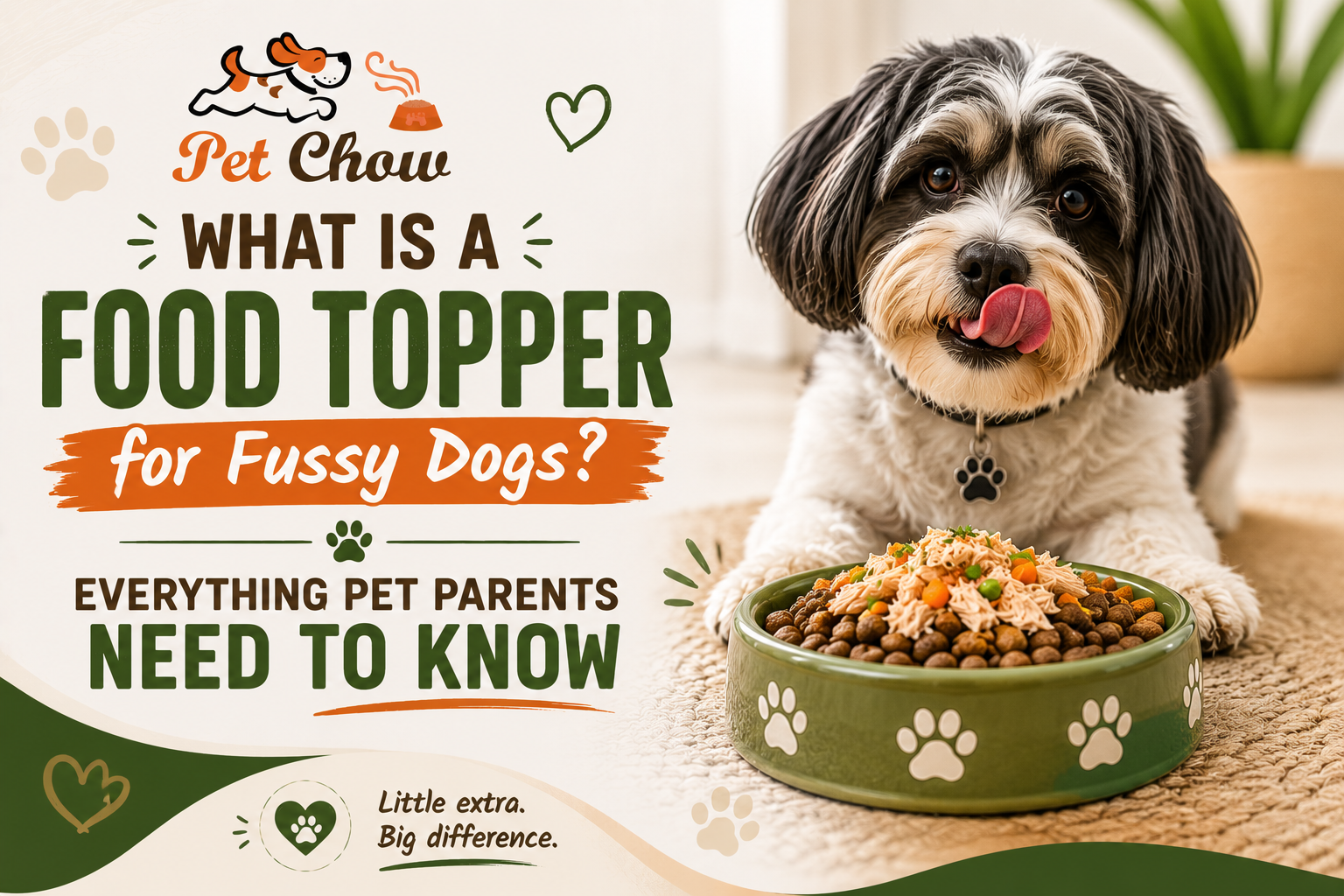

It is extremely frustrating to place a bowl of food down and then have a pup take a sniff, and then turn around and walk away. If your dog is an inconsistent feeder, you will soon wonder, “Why is my dog a picky eater?” It's very common for kids to have a fussier appetite, but the quickest solution to the problem is to find out what's happening.
New statistics from a survey of pet owners reveal that 54% of dog owners are fussy eaters. If eating is sometimes refused, it is not a cause for concern, but if food is systematically rejected, it is likely to be due to the wrong eating habits, to stress or physical discomfort. It covers the reasons dogs won't eat and provides clear, effective steps for reestablishing healthy feeding habits.
Primary Causes of Fussy Eating in Dogs
Dogs rarely stop eating without a reason. Most causes fall into daily habits, diet boredom, or lifestyle changes.
Too Many Yummy Table Scraps
When dealing with a dog, food scraps from a dinner table can be used to teach the dog to wait for a better treat. Human meals tend to be fancier, hotter and far more aromatic than regular dry kibbles. With the dog learning to the association that waiting by the table will get him cooked meat or cheese, plain kibbles become less appealing.
Allowing food to sit out of the fridge all day.
A dog's hunger drive is interrupted when a food bowl is put out and left full all day, or “free-feeding.” If kibbles are left out all the time, they lose their freshness and flavour. If a dog eats constantly during the day they will rarely feel hungry when it's time to feed.
Diet Boredom and Fast Food Addiction.
Dry crunch – If you feed the same dry crunch that you fed the last day, for months and months, you can expect the pet to lose interest. However, a sudden diet change without a transitional phase may upset a dog's stomach or cause him to distrust the new food.
Daily Stress and Routine Shifts
Dogs depend heavily on predictable daily schedules. Moving to a new home, bringing home a new pet, changing work hours, or hosting noisy guests can trigger emotional anxiety. When dogs feel stressed or overwhelmed, their appetite naturally drops.
Hot Summer Weather Changes
Warm weather lowers an animal's general energy levels. During hot summer months, dogs run around less, burn fewer calories, and naturally require less food during the day.
Is It Picky Behavior or a Health Problem?
Sometimes when someone is not eating an appetite change may be a warning sign of physical pain or medical conditions.
Sore gums and dental pain
Chewing hard kibbles is difficult and painful if there is cracked teeth, swollen gums or tartar buildup. A dog can approach the bowl, licking and walking around to show interest in food, but then retreat after delivering one painful bite.
The stomach bug and indigestion
Active nausea is triggered by an upset stomach, acid production or gut inflammation. When a dog has an upset stomach, he may lick his lips, swallow his food over and over, eat grass out of the house, or turn his nose away from the food dish.
Hidden Food Sensitivities
Celiac disease sensitivities to certain protein sources or ingredients are a continual gut inflammation. If their stomach cramps or their skin itches when they eat, dogs soon catch on and stop eating it.
How to Tell if Your Dog Is Sick or Choosy
Telling the difference between a choosy dog and a sick dog protects your pet's health.
- A Choosy Dog: Refuses dry kibble, but eagerly gobbles up chicken, cheese, or high-value dog treats. The dog remains alert, energetic, happy, and ready to play.
- A Sick Dog: Refuses all food, including high-value meats and favorite treats. The dog appears sleepy, weak, or shows warning signs like vomiting, diarrhea, or fever.
If a dog completely refuses all food for more than 24 to 48 hours, consulting a licensed veterinarian is necessary.
Practical Case Study on Scheduled Feeding
In a behavioral study carried out at an animal shelter, 40 dogs suffering from extreme meal rejection participated in the experiment. These dogs were divided into two groups. For the first group, food remained accessible around the clock. The second group had to adhere to a rigid schedule according to which the food was taken away after 20 minutes, and all additional treats were banned.
Within two weeks, 85% of the dogs from the group with a rigid schedule ate their full portion of food within 10 minutes after it was provided. At the same time, 20% of the dogs from the first group managed to eat their portion.
Simple Steps to Fix Picky Eating
In order to get a dog that is a picky eater to behave normally, certain guidelines must be followed.
Follow the 20-Minute Rule
Place the feeding bowl down in a quiet location. Keep it there for 15 to 20 minutes. If the dog does not finish the food, then take the bowl away and keep the food away until the next feeding. Do not give treats in between. This method teaches the dog to eat at certain times only.
Reduce Treats
Training and snack treats can add up to a lot. Too many extra snacks spoil the dog's appetite for regular meals. Make sure that snacks do not exceed more than 10% of the total daily calories.
Warm Up Meals for Extra Smell
By heating wet food slightly or pouring warm water over dry food the meal can have a strong meat smell. Since dogs are attracted to smells, this will make the feeding more interesting.
Try Healthy Natural Toppers
Small portions of nutritious toppings can appeal to finicky eaters and won't make them develop unhealthy eating habits:
- Unsalted Bone Broth: Makes dry kibble easier to chew and gives it a savory flavor.
- Pure Pumpkin Puree: Provides soft fibre to help digestion.
- Organic Yogurt: Enhances digestion with beneficial bacteria.
- Freeze-Dried Meat Dust: Provides strong meat taste without all the extra fat and calories.
Reclaiming Stress-Free Mealtimes
Ending picky eating struggles comes down to consistency, patience, and understanding your pet's needs. Establishing a diagnosis is important once medical issues such as dental pain and stomach bugs have been excluded.
The short time limits for meals (20 min.) and the elimination of table scraps restores a dog's natural hunger drive. Love food and drink but dread the dinner plate? With a combination of warm water, light activity before dinner and healthy toppings, eating and drinking can be a delicious change. swiftly transform from a day to day concern to a happy habit.
Frequently Asked Questions
Why is my dog suddenly turning into a picky eater?
Sudden picky eating can stem from tooth pain, stomach upset, stress, hot weather, or holding out for human treats.
How long can a healthy dog go without eating?
A healthy adult dog can go 24 to 48 hours without eating, provided they drink fresh water.
Is leaving food out all day bad for picky dogs?
Yes. Free-feeding dulls hunger signals and makes kibble smell unappealing. Scheduled meals work much better.
Does warming up dry kibble encourage dogs to eat?
Yes. Adding warm water releases meat aromas that naturally stimulate a dog's appetite.
Can moving to a new house cause a dog to lose appetite?
Yes. Major environmental changes trigger emotional stress, which directly lowers a dog's desire to eat.
Is it safe to give toppers to my pet every day?
Yes, if your toppers are clean, unsalted, and take up no more than 10 percent of the total caloric intake.
When should I take a picky eater to a vet?
Visit a vet if your pet does not want to eat after 24 hours, appears lethargic, and exhibits vomiting and diarrhea.
Would removing table scraps fix my pet's picky eating habits?
Most probably yes. Removal of table scraps makes your pet eat his usual food.
Why do my dogs eat treats but not dry food?
Because it is a learned response. They realizes that refusing dry food brings him some tasty treat.
Do older dogs become fussy eaters as they grow?
Yes. As they grow older, they develop decreased sensitivity to smells, joint pain or other dental problems.