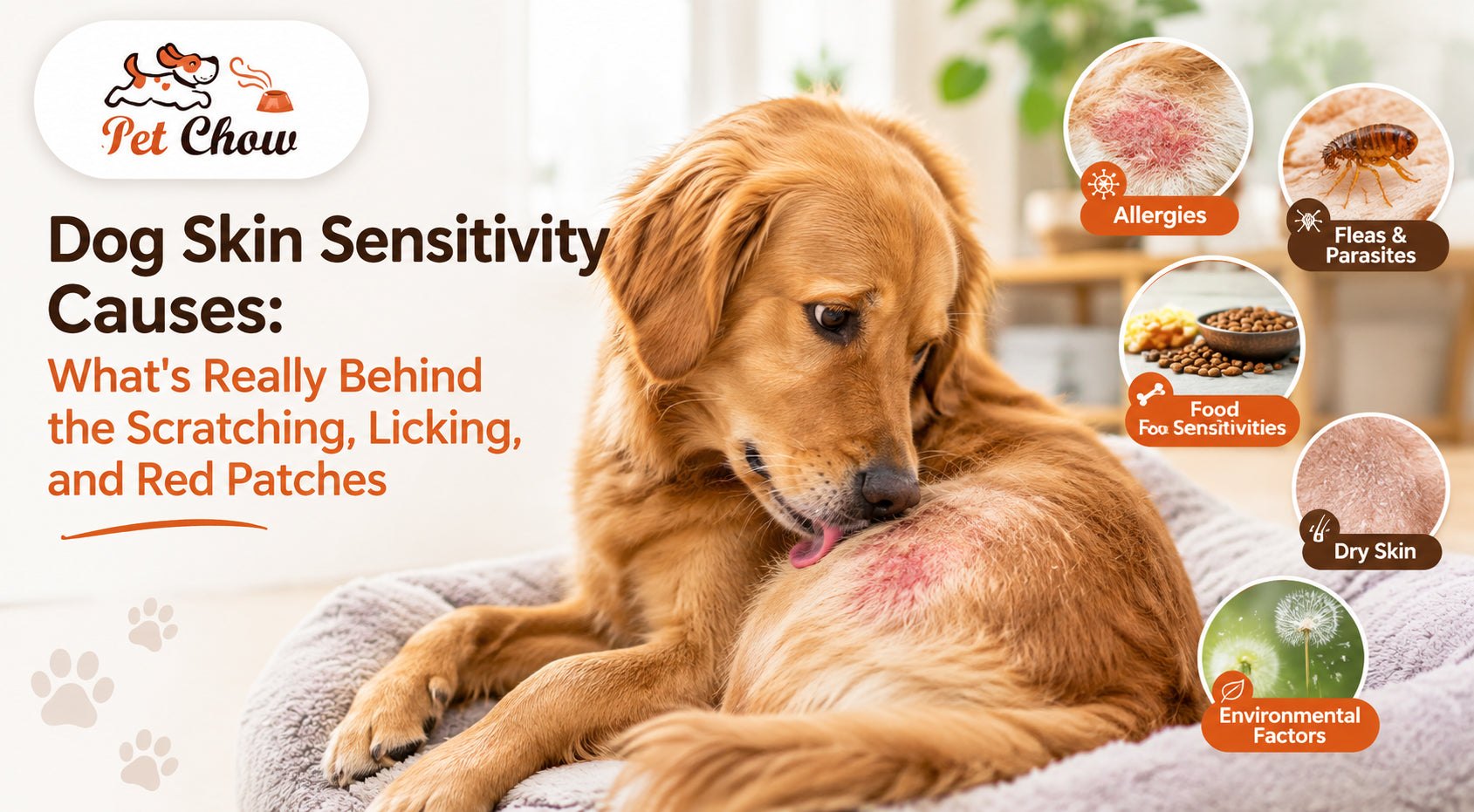

The best supplement for itchy dog skin is often an omega 3 fish oil that your vet agrees with. Still, the right choice depends on what is driving the itch. If your dog is licking and chewing a lot, or waking up at night to scratch, that routine can wear both the dog and the family down.
A lot of owners grab the first bottle they see at the pet store. After a few weeks, they feel stuck when the scratching does not ease.
Supplements can help with irritated skin. They do not take care of fleas, skin infection, or a food allergy by themselves. This guide looks at the main reasons dogs get itchy. It also covers which supplements have solid support, how to pick one that is safe, and when you should see the vet before you try anything else.
You will also find simple examples along the way. The goal is to explain each step in clear, everyday language for dog owners.
Why Do Dogs Get Itchy Skin?
Keep in mind that itching itself is just one of many symptoms. A supplement will be better if you know what's causing your itching and can treat it.
Most Common Triggers:
Fleas and Other Pests
A single flea bite will turn your pet into Itchy-Itch if they are allergic to flea saliva. Mites do much of the same (and are just as miserable).
Get proper parasite treatment going for dogs who have these pests before trying anything you find on the shelf in terms of supplements.
Allergies
Some of these causes include things like food (such as chicken), pollen, dust mites, or even molds.
If your labrador scratches every april but seems fine by winter then chances are they have an issue with some sort of pollen. Whereas if you feel that your lab constantly itches through out the whole year no matter what kind of food you feed them based on a certain diet, than maybe their body is having a bad reaction against this certain food.
Dry Skin and Infections
Things that irritate your skin such as dryness caused by harsh shampoos and baths, stress, and boredom may cause you to chew or lick at your skin constantly, leading to irritation of the skin. Left unattended, this can result in an open sore or a red spot on dog skin that attracts bacteria or yeast, causing a smelly rash.
Growth and Life Stage Changes
Young puppies developing their skin barriers often suffer from dry, flaky patches during growth spurts. Supporting their developing bodies with a quality multivitamin for puppy care or a dedicated dog supplement for growth can build long-term skin resilience alongside a balanced diet.
Best Supplement for Itchy Dog Skin: Omega-3 Fish Oil
Omega 3 fatty acid from fish oils are probably the number one recommended supplement to treat itchiness on your dog’s skin.
Fish oil has certain kinds of fat (EPA & DHA) which have the power to kill inflammation. Inflammation is the reason why allergy makes our skin turn red, hot and itching.
What the Research Shows
Dogs who were given either flax oil or an EPA/DHA blend saw improvement, but those on a placebo oil didn't. In veterinary drug guides, some mention that "fish oil may be useful in controlling itchiness associated with skin allergies," provided you are using other types of treatment simultaneously.
Which Dogs May Benefit Most
We hear this all the time from our clients – especially dogs with seasonal itch, dry flaky skin, or a dull coat. For example, take my lovely dog who recently had these patches of white flake along her back and her fur wasn’t quite as shiny as usual. Using targeted dog growth supplements or fatty acids often helps restore coat quality during these flare-ups.
Possible Side Effects
Most dogs handle fish oil well. Some get loose stool or an upset stomach, mostly when the amount is too high. Over a long time, fish oil can use up vitamin E in the body, so a vet may suggest adding it. Dogs taking other medicines or facing surgery need a vet's opinion first.
Other Supplements Dog Owners Often Ask About
Fish oil gets most of the attention, but a few other options come up often.
Probiotics
These are friendly gut bacteria. In a 2024 trial published in the journal Animals, 105 itchy dogs were followed for 10 weeks. Owners who gave their dog a specific probiotic blend said they saw fewer symptoms sooner compared to owners who used a placebo pill, although there was also improvement among those using the placebo. Your results may vary depending on what strain you’re feeding them (one company’s experience doesn’t necessarily mean yours will be).
Vitamin E and Zinc
Vitamin E helps protect skin cells, and zinc supports healthy skin and coat. Some northern breeds, such as Siberian Huskies, can struggle to absorb zinc. Both are best given after a vet check, because too much zinc can cause real harm. Young pups experiencing coat or skin trouble during early development may benefit from a balanced multivitamin for puppy care under a vet's guidance.
Coconut Oil
A big spoonful will certainly make your dog throw up his guts! Coconut oil works as calming agent for dogs who have itchiness on their skin. However, there is no solid evidence to prove this.
Rich fat can be dangerous for dogs having issues with the pancreas. So please use caution when giving coconut oil to dogs with such a past medical condition.
How to Choose a Safe, Good-Quality Supplement
Pet supplements are not checked as closely as medicines, so quality varies from brand to brand.
What to Look For on the Label
- Made for dogs, not people. Human products may use the wrong dose, and some gummies contain xylitol, which is toxic to dogs.
- Clear EPA and DHA amounts. Labels that only say "fish oil" or "omega blend" hide how much of the helpful fats is inside.
- Outside testing. A seal from the National Animal Supplement Council shows the company has been audited for quality.
- Fresh oil. Fish oil spoils with heat, light and air, so dark bottles kept in the fridge work best.
How to Start Without Upsetting the Stomach
After the vet approves, begin with half of the approved amount and build up over several days. Change only one thing at a time. If a new supplement and a new food start together, there is no way to tell which one helped, or which one caused trouble.
How Long Does It Take for a Supplement to Work?
Skin heals slowly. Most changes show up over several weeks, not days, and the trials above ran for about 10 weeks. A simple notebook helps. Dog owners can jot down night-time scratching, red patches and paw licking once a week. Small, steady progress on paper is easier to spot than memory alone.
Consider a Beagle that starts fish oil during a spring flare. Week one looks the same. By week six, night scratching has dropped from most nights to a few. That slow, uneven pattern is normal.
When a Vet Visit Cannot Wait
A supplement should never delay treatment when any of these show up:
- Open sores, bleeding or crusty skin
- A bad smell from the skin or ears
- Patches of hair loss or red, swollen ears
- Itching that keeps the dog awake at night
- Low energy or loss of appetite along with the itch
Conclusion
For most dogs, that means feeding them plenty of high quality omega 3 fatty acids found in fish oils though probiotics and other types of supplements don’t come into play as much with this condition.
Ultimately, you won’t ever know what may be triggering these allergies if you’re not tackling the underlying problem such as fleas, food, pollen or even infection first, however. So go to see your vet, where they’ll do necessary tests and prescribe treatments accordingly.
Frequently Asked Questions
What supplement helps when a dog has itchy skin?
Omega 3 Fish Oil with EPA & DHA is usually an easy pick for this condition because of its anti-inflammatory property which can reduce the inflammation of your dog's skin. But you need to ask your veterinarian first to know why your dog is having itchy skin and at which dose you have to give them these supplements to treat it.
Does supplementation work for my dog’s itchy skin?
Usually, no. It helps to supplement with nutrients that could improve your overall health and wellness. That might help you feel better in general and lessen symptoms like an itchy rash, but supplements won’t cure things like fleas biting you or your body’s immune response to those bites (allergies) or skin infections.
How much fish oil should be given?
This depends on your dog’s size, the exact product, and the skin issue. Serving sizes can vary a lot between brands. Use the label and follow your vet’s guidance for the best dose.
Is human fish oil safe for dogs?
Sometimes, but it is not always a good match. Human capsules vary in strength and may include extra ingredients. A vet can say whether a specific product is fine and how much to use.
How long does it take to see results?
Most dogs need several weeks. Studies on fish oil and probiotics ran for around 10 weeks. Signs of improvement may appear sooner, but skin needs time to settle.
Are probiotics good for dogs with itchy skin?
They may help some dogs, but results depend on the strain and the dog. Research is still growing, so probiotics are best seen as a helper alongside regular vet care.
Can food changes help itchy skin?
Yes, when food is the trigger. A vet usually suggests a strict food trial lasting several weeks, with no treats or table scraps, to find out if a certain protein is causing the itch.
What are some signs that your supplement doesn’t suit my dog?
This could include things like loose stool, vomiting, less interest in their food, or increased itching you may want to pause the supplement and then reach out to their vet.
Can dogs take supplements while on allergy medicine?
Often yes, and fish oil is sometimes used alongside allergy medicine. Still, the vet should know about every pill, chew and powder the dog gets.
When Should You See A Vet For Itchy Skin?
A vet visit makes sense if itching lasts more than a couple of weeks, or sooner if there are sores, a bad smell, hair loss or signs of pain.