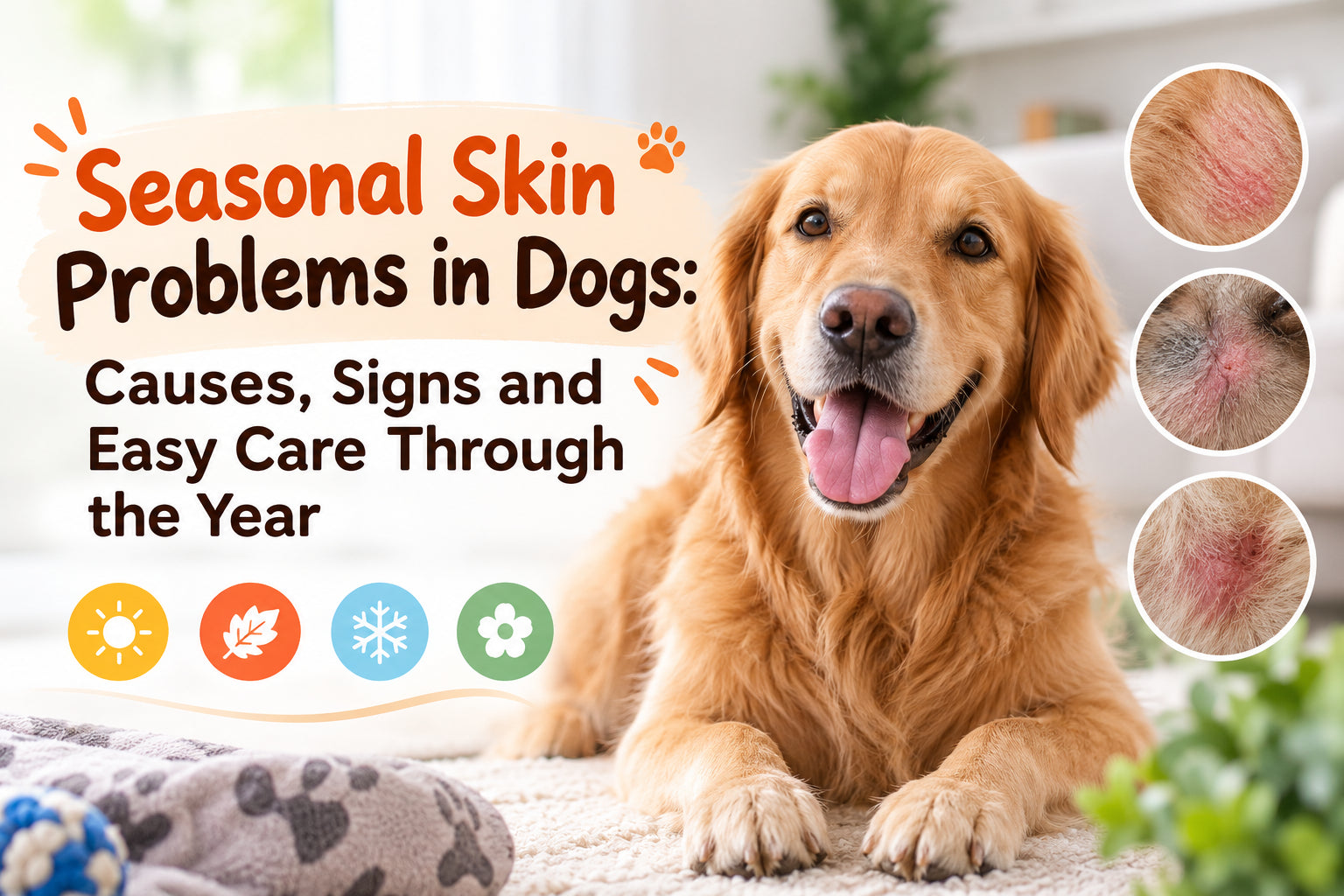

Rarely is the cause of dog skin sensitivity apparent at first glance. A dog scratches, owner says it must be fleas, and the vet says it must be new kibbles. Such an error is commonplace. Whether the lawn is pollinating, the bath product is perfuming or the perfume is running through your hair, the symptoms are almost always the same: redness, licking, flakes and lots of restless chewing.
This guide will take you through the true causes of sensitive skin in dogs and give you real-life examples you will know. Also explains what to try at home and when it's time to call the vet rather than wait it out. There's no need for a scientific background here!
What is "Sensitive Skin" Really?
It isn't an official diagnosis. Vets use the term for skin that is easily upset by things that another dog wouldn't have a problem with.
The outer layer of skin would normally act like a thin wall. Retains moisture and excludes dust, germs and irritants. Little things begin to sting when that wall starts to be weak. Walking through the long grass, a warm bath, a different brand of food. Now all of a sudden, the dog is scratching for some reason. Walking through the long grass, a warm bath, a different brand of food bought from pet food online india platforms. Now all of a sudden, the dog is scratching for some reason.
Can affect any dog of any age. A pup that has a perfect coat for five years can begin to start scratching in year six.
The Most Common Dog Skin Sensitivity Causes
Food Reactions
Food is a large one, but not as large as many owners think. Some dogs will be allergic to a particular protein and chicken and beef are on the list quite often. The first thing to tell is sometimes the skin. They itch their ears, lick their paws, have a red belly.
Bring the Labrador who starts rubbing his face a few weeks after changing his food, bring him to me. Itching continues throughout the year, summer and winter. That pattern throughout the year is a clue that food could be involved. Vets typically recommend a slow food trial, meaning that you will feed one food for about four weeks and no other treat foods during this time. It's tedious, but it's better than random guessing. It's tedious, but it's better than random guessing, especially when transitioning between options from various pet food brands in india.
Pollen, Dust, and Mold
Dogs suffer from "hay fever" too, just in another location. They don't sneeze, they scratch.
The coat and paws of a dog are covered with grass pollen, dust mites and mold spores, which are absorbed through the skin. Beagles that chew their feet from April through June are textbook cases of a dog who is perfectly fine all winter and starts doing it all too often in the spring. It does help a lot more than most people realize if a pet's paws are wiped after walks.
Fleas
A single flea bite can spoil a week. A few dogs have a reaction to flea saliva and itch upon being bitten once. What is strange is that sometimes the owners don't find any fleas at all. The dog bites at the base of the tail, the skin becomes red and scabby and the flea is long gone.
That's why vets continually say to do your flea control not just in the summer. Fleas survive the winter in heated homes.
Strong Shampoos and Harsh Fragrance
There are lots of bath products available that give the individual a nice smell, but not the dog. Excessive perfumes, dyes and harsh cleaners that remove the natural oils from the skin.
The old dog story: a dog owner or groomer applies a new, strong smelling shampoo, the dog's coat smells great and by evening he starts scratching. It is typically an easy repair. Use a dog shampoo that is mild and not scented and rinse thoroughly. The residual soap may be as harsh on the skin as the incorrect product.
Too Many Baths
It sounds backwards, but a very clean dog can have unhappy skin. Frequent bathing washes away the oils that keep skin soft. Even gentle shampoo can dry things out when it's used every week.
For most healthy dogs, a bath every few weeks to every couple of months is plenty. Dogs with skin problems might need a different plan, and that's a conversation for the vet.
Breed and Family History
Some breeds just draw the short straw. Bulldogs, West Highland White Terriers, Bichon Frises, Poodles, and Labradors tend to get more skin trouble than the average dog. Their skin might hold less moisture, or react faster to allergens.
A Bulldog is a good example. The deep folds on the face trap warmth and damp, and that's a perfect place for irritation and yeast. Owners of these dogs often learn to clean and dry the folds daily, the same way they'd brush teeth. Growing puppies of these sensitive breeds can also benefit from nutritional support like a multivitamin for puppy development or specific dog growth supplements to help strengthen immunity early on.
Weather and Dry Air
Winter heating can leave a home as dry as a desert. Dogs get dull coats, dandruff, and flaky patches. Summer brings the opposite trouble. Heat, sweat, and damp fur can create hot spots, which are angry red patches that seem to appear overnight.
Some dogs even have a "bad season" that comes back every year like clockwork. When owners notice it, they can plan ahead instead of scrambling.
Skin Infections
Small numbers of bacteria and yeast exist on the skin of all dogs. They're harmless as long as the skin barrier is intact. They then multiply and the dog develops bumps, scabs, oily coat or a musty odor. You might suddenly spot a painful red spot on dog skin that turns into an open wound.
Here's the catch. Infections typically result, rather than being the primary cause. When a dog scratches due to a pollen allergy, it causes its skin to break and germs invade. Treatments for the infection alone and not addressing the allergy itself results in recurrence of the infection in a few weeks.
Stress and Boredom
This is a very commonly overlooked one. A dog that is left by itself for many hours can lick a place over and over, usually out of habit or anxiety. The moisture and rubbing cause the skin to become raw.
If the only part that's neat and shiny is one leg and if there's no other allergy indications, boredom may be a concern. Nothing calms things down more than extra exercise, puzzle toys and a consistent routine than any cream!
Signs That a Dog's Skin Is Unhappy
Some signs are loud, like nonstop scratching. Others are easy to miss. Owners can watch for:
- Licking, chewing, or scratching more than usual
- Red or warm skin
- Dry flakes or dandruff
- Thin patches of fur or bald spots
- Scabs, bumps, or sores
- A greasy coat or a strange smell
- Dragging the body along the carpet or furniture
One sign on its own may be nothing. Several together, or anything lasting longer than a week, deserves attention.
Simple Things That Help at Home
Most of the useful habits are small and boring.
Keep flea treatment on schedule. Use gentle, fragrance-free grooming products. Space out the baths. Wipe paws and bellies after walks, especially in pollen season. Brush often, since brushing spreads natural oils and helps owners spot new lumps early. Wash the dog's bedding regularly, because dust mites love it. And when changing food, go slowly, over about a week, and jot down any link between the new meal and itching.
Keeping a short diary is surprisingly useful. A few lines like "scratching worse after rain" or "red belly after new treats" can save a vet a lot of guessing.
When It's Time to See a Vet
If the itching is mild, it can be observed for a couple of days. There are times and places where it doesn't need to be late. Dogs that have an open sore, hair loss, an overpowering odor, skin that seems to be expanding, or is too itchy to sleep are indications for a visit. So does skin trouble along with vomiting, loose stools or low energy.
A veterinarian can perform a physical exam, run tests to check for infection and recommend an allergy program. Trying on your own with creams and shampoos is more expensive and time consuming.
Conclusion
Whether it's food, pollen, fleas, powerful shampoos, dry air, or just plain boredom, dog skin sensitivity covers a wide range. The symptoms are similar, so it will take time to determine the actual cause. A product on a shelf may not be able to tell you more than a small note of when the itching occurs and what happened that week.
Many dogs can become content and comfortable with regular flea control, minimal grooming, and proper care and attention to their food and seasons. If the problem persists or worsens, the best step to take next is to see the veterinarian. A dog's skin is his first line of defense and a bit of attention goes a long way.
Frequently Asked Questions
What are the most common causes of a dog's skin sensitivity?
The most common allergies are food or pollen, fleas, bad grooming products and skin infections. There's a genetic factor and also a weather factor.
Does it happen that older dogs suddenly develop sensitive skin?
It can. Dogs can develop allergies at any time in their lives, even those that didn't have a problem earlier.
How can an owner tell if it's food or the environment?
Itching that lasts all year, sometimes with stomach upset, points toward food. Itching that rises and falls with the seasons points toward pollen. A vet can help sort it out.
Is sensitive skin passed down in families?
Often, yes. Certain breeds are more likely to have it, though any dog can develop it.
How often should a dog with sensitive skin get a bath?
It varies. Many dogs are fine with a bath every three to four weeks, and some need less. A vet can set a schedule for dogs with active skin problems.
Is human shampoo safe for dogs?
Not really. Human products are made for a different skin type, and they can dry out or irritate a dog's coat.
Why does a dog keep licking its paws?
Allergies are the usual reason. Boredom, anxiety, or a tiny cut between the toes can do it too.
What is a hot spot?
A hot spot is a red, wet, painful patch that appears fast, often after heat, damp fur, and heavy scratching.
Does stress cause your dog to lick themselves?
It can. Preoccupied, bored dogs may lick and chew their own skin which can lead to problems.
What is the most important thing to recognize in case of dog itching?
Facial swelling, hives throughout the body or difficulty breathing are emergencies. Any sores or open wounds that spread rapidly should also be taken to the vet's office promptly.