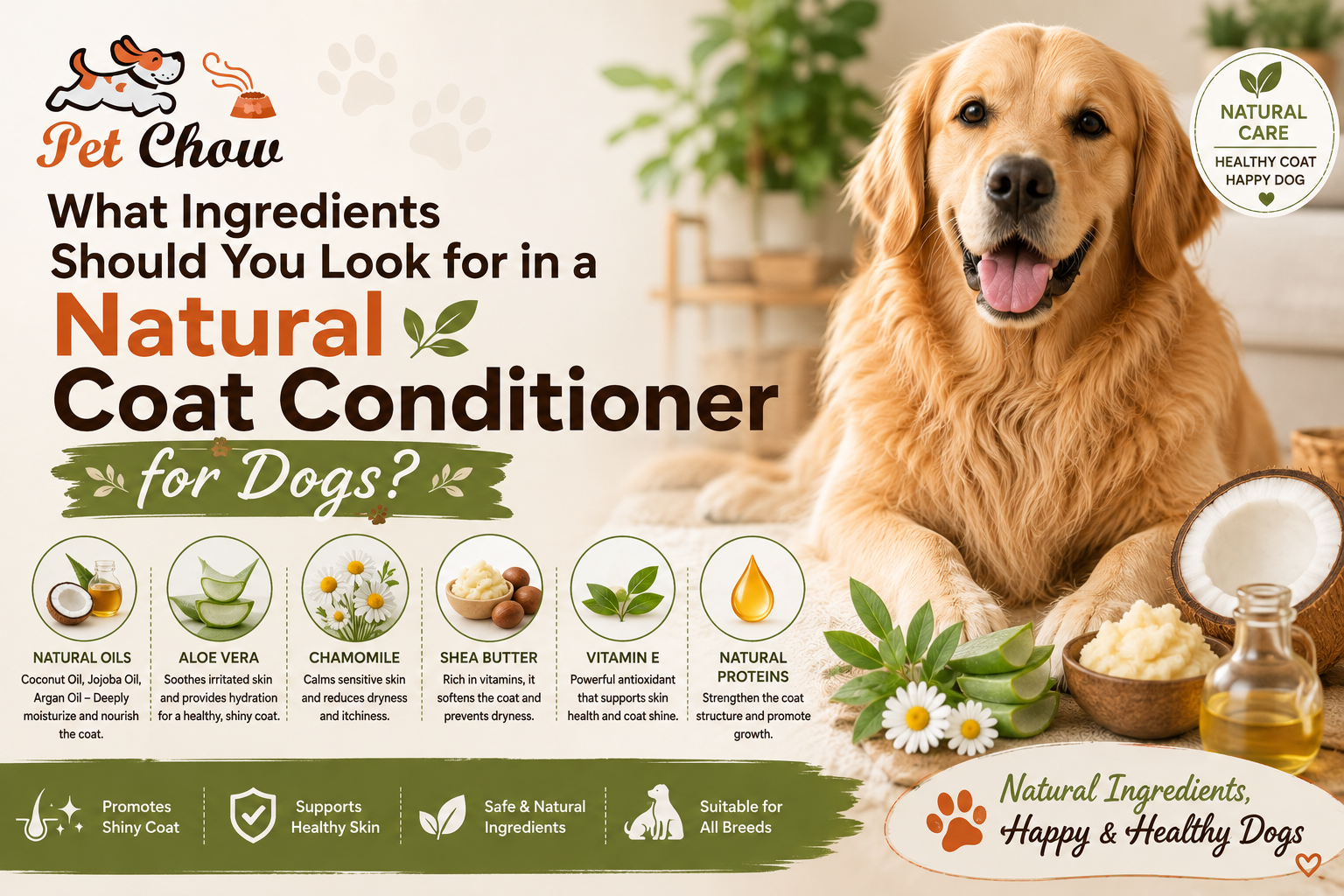

No one can ever count the number of tufts of fur that have appeared on different surfaces such as the sofa, carpet, and clothes. For pet owners everywhere, it's a familiar sight: tufts of fur on the sofa, carpet, and clothes. It's okay, there is a few loose strands during the play time but sweeping up in large clumps each morning is too much. Excessive shedding is a sign of a pet's need for internal support and indicates messiness in living space. There are proven dog hair fall solutions that can help restore thickness to the coat, soothe skin irritations and make fours is feeling great all year round.
The first step to understanding hair loss is to be able to tell the difference between normal hair loss and abnormal loss of fur. Seasonal coat changes are normal, but if they are patchy, ongoing scratching, or hair feels brittle, it may indicate nutritional deficiencies or environmental factors or inadequate grooming practices.
What is the reason for excessive hair shedding in dogs?
Once you have determined the cause of fur loss, you will have no trouble choosing a treatment. Hair follicles are sensitive to the changes that occur in the body and in the outer environment.
Poor Dietary Nutrition
Low protein, low essential fatty acids, trace minerals diets will weaken hair roots. Keratin protein is a main component of hair shafts. If daily food intake is insufficient, fur is brittle, dry and easily broken.
Seasonal Coat Changes
Many dog breeds experience natural heavy shedding twice a year during spring and autumn. This process helps dogs shed summer or winter coats to adapt to changing outdoor temperatures.
Fleas, Mites, and Parasites
Parasite bites cause intense itching and skin inflammation. Continuous scratching, biting, and licking at irritated spots physically pull fur out, creating bald patches around the tail and neck.
Environmental and Food Allergies
Exposure to dust, pollen, chemical cleaners, or specific proteins like beef and wheat triggers allergic reactions. Inflamed skin weakens hair roots, leading to heavy fur loss across the body.
Essential Food Nutrients That Stop Hair Fall
Feeding dogs nutrient-dense ingredients remains the fastest way to repair hair follicles and build a thick coat.
|
Nutrient Type |
Primary Health Benefit |
Natural Food Sources |
|
Omega-3 Fatty Acids |
Reduces skin inflammation and hydrates dry tissue |
Salmon oil, sardines, flaxseed |
|
Biotin (Vitamin B7) |
Rebuilds keratin structure and strengthens hair shafts |
Egg yolks, cooked liver, sweet potatoes |
|
Chelated Zinc |
Speeds up cellular repair and slows heavy shedding |
Lean meats, pumpkin seeds, spinach |
|
High-Grade Protein |
Provides essential amino acids for new fur growth |
Boiled chicken, eggs, fish meals |
Incorporating balanced commercial food from reputable healthy dog food brands provides a solid daily base for coat recovery.
Simple Daily Remedies to Reduce Hair Fall
Addressing hair loss requires a combination of internal nutritional support and gentle external care routines.
Add Omega-3 Oils to Daily Meals
Drizzling wild salmon oil over morning kibble delivers essential fats directly to skin cells. Omega oils lock in moisture, reduce dandruff, and give coats a healthy natural shine.
Pet owners can browse options on pet food online india to find quality marine oil toppers and balanced food choices.
Use a Dedicated Coat Supplement
When regular meals fall short, introducing a specialized dog coat supplement provides concentrated vitamins and minerals needed to stop heavy shedding.
For complete daily vitality, adding the best multivitamin for dogs fills nutritional gaps, while a targeted multivitamin for puppy ensures growing dogs build strong fur defenses early.
Underweight dogs losing hair during recovery can benefit from a specialized dog supplement for weight gain to rebuild muscle mass and coat density together.
Practice Regular Brushing
Brushing removes loose fur before it falls around the house while spreading natural skin oils down the hair shaft. Use a slicker brush for long-haired breeds or a rubber curry brush for short-coated dogs.
Bathe with Mild Shampoos
Washing dogs too often strips away protective skin oils, making hair dry and brittle. Bathe pets once every three to four weeks using sulfate-free, natural dog shampoos.
Supporting Overall Physical Health and Mobility
Skin and coat condition often reflect a dog's general physical development and skeletal strength.
- Targeted Growth Care: Puppies are constantly transitioning their coats while undergoing major physical development. Ensuring they receive all of the right nutritional components will support healthy muscle and tissue growth as well as optimal hair follicle health.
- Skeletal & Bone Protection: Healthy joints and strong bones allow your pet to stay active for years to come. Adding key elements of this kind to your dog's diet ensures good bone density retention over time.
- Joint Lubrication & Flexibility: As our pets age, we see signs of cartilage wearing down on their hips and legs. It’s common to hear them groan when moving around after waking up in the morning. Using both topical applications and oral supplements helps maintain good mobility through old age.
- Holistic Everyday Support: To stay at top form day in day out, you need to consistently fuel your body right! Pair healthy meals with these nutritional additions for all-around wellness all-year long.
To explore holistic health products and nutritional toppers, pet parents can visit Petchow.
When to Consult a Veterinarian
While natural care fixes routine shedding, certain symptoms require professional veterinary attention.
- Hair falling out in distinct, round bald patches.
- Redness, open sores, or an unexpected red spot on dog skin that does not heal.
- Constant licking or scratching that breaks the skin.
- Strong, foul odors coming from the coat or ears.
- Sudden weight loss, lethargy, or loss of appetite alongside fur loss.
Choosing top-tier formulas from best dog food brands guarantees quality controls that prevent nutrient-deficiency shedding.
Everyday Routine for a Healthy Coat
Building a simple, consistent schedule keeps fur thick and reduces sweeping time around the house.
- Brush the coat 3 to 4 times a week to remove dead hair.
- Add fresh water bowls around the house to support skin hydration.
- Serve meals rich in natural proteins and healthy omega fats.
- Keep bedding clean by washing it weekly in mild detergent.
- Maintain routine flea and tick treatments to prevent parasitic bites.
Restoring Lasting Coat Volume
There are numerous ways that you can find the best solution for your dog's hair falling.
It involves feeding them wholesome foods, providing essential omega fatty acids, establishing a gentle brushing routine, keeping track of skin health, making necessary diet adjustments, etc.
So there's no need to get too complicated with anything about dog hair fall solutions. Instead, just focus on what works best for your pet!
Frequently Asked Questions
What naturally stops hair fall in dogs?
Adding Omega-3 Fish Oil into their daily meals, feeding high-quality Protein, brushing their coat regularly helps to reduce excessive fur loss from hair fall.
Does Daily Brushing Helps with Dog’s Hair Fall?
Daily brushing ensures that you remove all dead fur safely from your dogs’ coat and prevent them from developing tangles which can cause pain for their sensitive skin. It also stimulates the flow of blood to the hair follicles.
Why is my dog losing hair in patches?
Patchy hair loss might be due to fungal infections such as ringworm, mite infestations, flea bites or some serious cases of localized allergies.
How often should a dog with hair fall be bathed?
Bathing once every 3 to 4 weeks is ideal. Over-bathing strips natural skin oils and worsens hair shedding.
Can food allergies cause severe fur loss?
Yes, allergic reactions to proteins like beef, chicken, or dairy trigger skin inflammation and intense scratching that pulls fur out.
Does drinking water help reduce shedding?
Proper hydration maintains skin cell elasticity and prevents dry skin, which reduces premature hair shedding.
How long does seasonal shedding last?
It usually takes place within 2-6 weeks when your dog’s fur adapts to weather changes (spring/autumn).
Is it safe to feed my dog eggs for their coat?
Yes! Cooked eggs contain all the nutrients needed to build up healthy hair follicles (high quality proteins & biotin), which results in shinier fur!
Can stress make my dog lose its hairs?
Yes. Some stressful situations such as sudden change of environment, hearing some loud noise, or having an anxiety issue will cause your dog to shed their hairs temporarily.
Do dog coat supplements work?
With quality coat supplements that are loaded with omega fatty acids, zinc, and biotin can help nourish your pet’s skin tissue to reduce their excessive shedding over time.