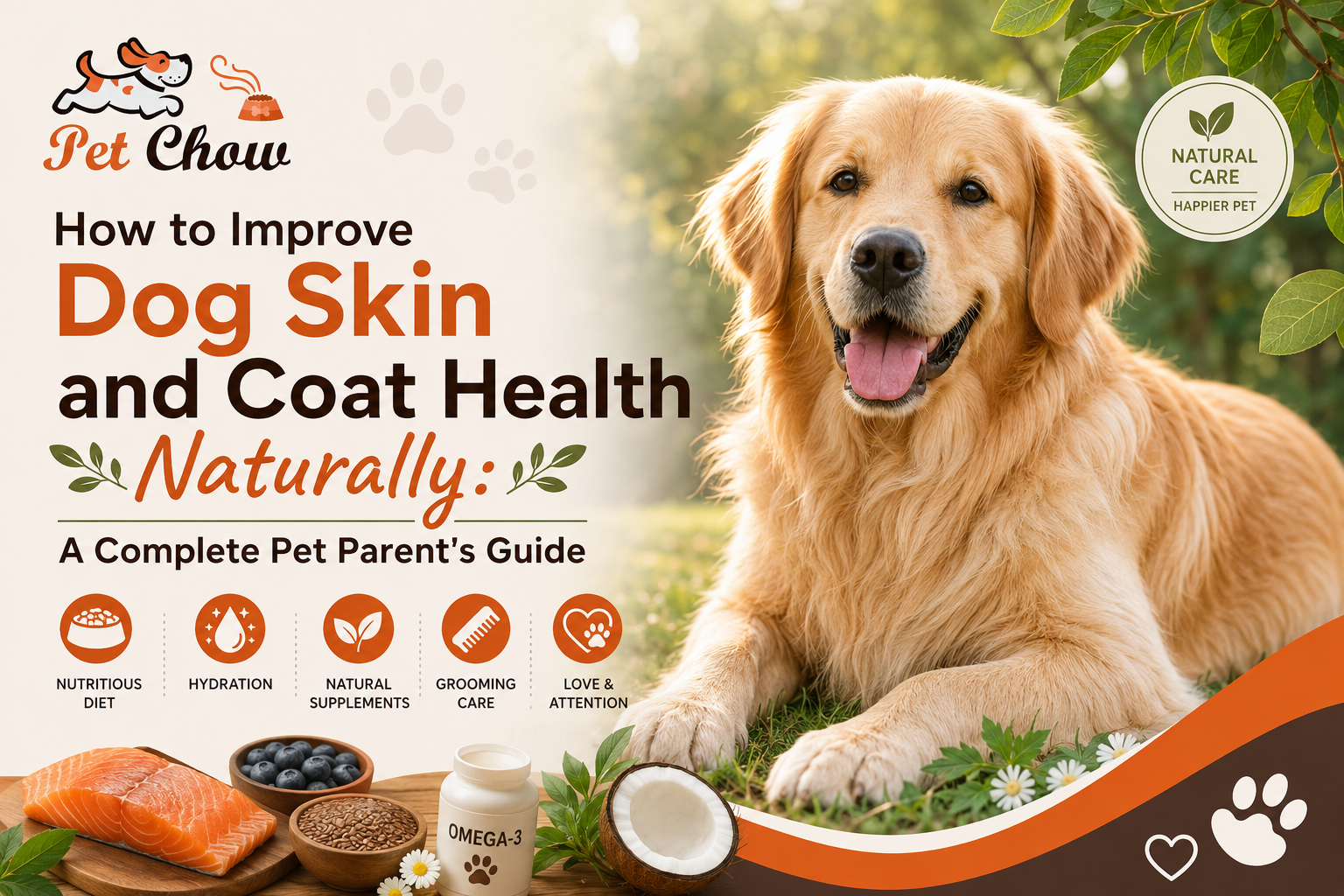

If your dog keeps licking its paws, scratching its ears or fighting to stand up after a nap, it is a very common issue faced by most dog owners. Pets can develop dry skin, dull fur and stiff joints due to nutrient deficiency in their food provided for everyday use. Learning about omega 3 for dogs advantages can be a sensible answer to these regular health issues.
The essential fatty acids help to replenish moisture in a dog's skin, to safeguard damaged joints and to maintain its energy levels. These are necessary fats that dogs cannot make themselves and need to be added back in to their daily meals or supplements to ensure they have these fats and can live long, vital and comfortable lives.
What Are Omega 3 Fats for Dogs?
You may have heard about omega 3 fats for dogs, but you are not sure what they are.
Omega 3 Fats are basic nutrients that dogs require for optimal health and well-being. These healthy fats are needed to help the body construct cell walls, to regulate swelling in the body, and to protect key organs such as the heart and brain.
These fats are not produced in the dog's body. All the essential fat they need must be supplied by their daily diet or liquid diet supplements. There are three types of essential fats found in marine animals and in some plants:
- Eicosapentaenoic Acid (EPA): Reduces inflammation in the joints and reduces skin irritation.
- Docosahexaenoic Acid (DHA): Maintains mental acuity, assists in eye vision and helps puppies learn more quickly.
Dogs do not efficiently convert Alpha-Linolenic Acid (ALA) into EPA or DHA, which is present in land plants such as flaxseeds.
Key Health Benefits of Omega 3 for Dogs
With regular addition of healthy oils into your dogs meal bowl you will see some major visible changes in their bodies after few short weeks!
Restores Dry Skin and Coat Luster
If you see scratching, flaky skin or rough fur in your dogs, chances are they’re missing healthy fats from their diets.
Fatty acids help reinforce the natural oil barrier on a dog’s skin to trap moisture and block out outdoor dust and pollen that can cause itching.
In just one month of eating this supplement every day, we saw their coarse hairs turn soft with a healthy natural shine!
Calms Stiff Joints and Improves Mobility
What happens when your aging Golden Retriever takes just a little bit longer getting off the rug each morning? Well, the cartilage has worn away due to normal wear and tear on hip joints.
That’s where daily doses of EPA come into play — this nifty omega-3 acts as a natural lubricant for our friends’ bodies! Reduced swelling means these seniors can enjoy playing fetch with their favorite tennis ball or navigating upstairs without stiffness.
Boosts Brain Power and Training Focus
It helps build powerful nerve pathways in your dog’s brain. Your young pup will learn his/her basic training commands much quicker if they have enough of this nutrient.
Older pups will find it easier to keep their focus and recognize all their family members. They’ll also no longer suffer from confusion as a result of age.
Protects Heart Function and Blood Pressure
Essential oils support regular heart rhythms and keep blood flowing smoothly. They lower systemic stress on blood vessels, helping active working dogs maintain strong stamina during long walks.
Natural Food Sources of Healthy Oils
Selecting the right food source makes a huge difference in how fast a dog absorbs these essential nutrients.
|
Source Type |
Main Fat Content |
Best For |
|
Wild Salmon Oil |
High EPA & DHA |
Quick absorption, easy pour onto dry food |
|
Sardines & Anchovies |
High EPA & DHA |
Low toxin risk, great for dogs with sensitive stomachs |
|
Algae Oil |
High DHA & EPA |
Plant-based option, zero fish odor |
|
Flaxseed Meal |
High ALA |
Mild fiber boost, though poorly converted by dogs |
Adding fresh whole fish or quality commercial meals from trusted healthy dog food brands helps supply a strong base of nutrients. Whole foods provide balanced minerals and proteins that work alongside healthy fats to repair damaged skin cells and strengthen hair roots naturally over time.
How to Give Omega 3 Oils to Your Dog Daily
Feeding oil to a picky eater does not have to be difficult. Simple daily routines keep mealtime stress-free.
Squeeze Liquid Oil Over Kibble
We have dark glass pump bottles full of our wild salmon oil ready for you to squeeze the desired amount directly onto your dog's dry food in the morning.
Most canines go gaga when they get a whiff of this tasty natural oil, which means that chances are very good that your pup will devour his whole bowl!
Offer Pre-Measured Soft Chews
A great option if you're traveling with your pup, or if your pup just doesn't enjoy wet food.
Pre-measured treats mean no more mess when giving your pup their medicine! Track daily intake effortlessly with these soft chews.
Mix In Canned Sardines in Water
I love having a tin of plain sardines packed in water – without any added salt or spicy sauce – as a real food reward.
Pet owners who prefer to buy complete options directly online can easily explore pet food online india for quick delivery.
Matching Supplements to Specific Dog Needs
Every dog requires a slightly different nutritional plan based on age, body weight, and general health condition.
- Growing Puppies: Require steady DHA to build strong brains and healthy eyes. Pairing essential fats with a quality multivitamin for puppy keeps developing bodies on schedule.
- Underweight or Rescued Dogs: Benefit from calorie-dense healthy fats to build body mass alongside routine meals.
- Aging or Active Adults: Require extra joint protection and bone support to stay flexible.
Combining marine oils with a dedicated dog coat supplement speeds up fur recovery and restores rich texture.
Recommended Daily Dosage by Body Weight
Giving the right amount prevents stomach upset while delivering maximum health benefits.
- Small Dogs (Under 10 kg): Need roughly 200 mg to 500 mg of combined EPA and DHA daily.
- Medium Dogs (10 to 25 kg): Benefit from 500 mg to 1,000 mg per day.
- Large Dogs (Over 25 kg): Require 1,000 mg to 2,000 mg daily for complete joint and coat support.
Tip: Always start with half the recommended amount for the first 5 days. This gives the digestive system time to adjust to new dietary fats.
Simple Habits for Freshness and Storage
Fish oils spoil quickly when left exposed to heat, air, or sunlight. Oxidized oil tastes bitter and loses its healing properties.
- Store liquid oil bottles inside the refrigerator after opening.
- Wipe the pump spout with a clean towel after every use to prevent sticky buildup.
- Buy bottle sizes that a dog can finish within 60 to 90 days.
- Check product packaging for third-party purity testing that guarantees the product is free from heavy metals like lead or mercury.
- Keep fresh water bowls clean and filled, as healthy digestion relies on good hydration.
When choosing pre-packaged foods, looking at top rated best dog food brands guarantees proper packaging that locks in active fatty acids.
Everyday Checklist for Healthy Dogs
Consistent daily habits build lasting wellness without requiring expensive veterinary visits for minor skin issues.
- Add a measured portion of fish oil or marine supplements to morning meals.
- Rotate between wholesome kibble formulas and fresh, cooked toppers.
- Check skin for unexpected irritation, missing hair, or an unexpected red spot on dog skin during weekly grooming sessions.
- Brush coat twice a week to distribute natural skin oils evenly across the body.
- Maintain routine exercise to keep joints loose and circulation steady.
Simple Daily Care for Long-Term Health
Omega 3 for dogs benefits are a matter of daily small decisions, made at mealtimes. High quality salmon oil, fresh sardines or well balanced supplements will take a dog's health to a new level from the inside out.
Pets can see an improvement in their appearance, softness, joint range of motion and energy in a short amount of time when they receive the fat their bodies require.
Frequently Asked Questions
How long does it take to see results with omega 3?
Skin softness and decreased scratching are typically observed 3-4 weeks after. After using them daily for 6-8 weeks, a person will see improvement in mobility of the stiff joints.
Is it possible for dogs to obtain high enough levels of omega 3 from dry dog food?
A lot of commercial dry foods lose the fatty acids that are sensitive to heat during high temp baking. It is important to add fresh oil to the meals for sufficient daily consumption.
Is human fish oil safe for dogs?
Human fish oil capsules may have various strength levels and may be flavored or contain artificial sweeteners such as xylitol, which is poisonous to dogs. Be sure to read labels or use pet oils.
If a dog eats too much fish oil, what will happen?
Too much oil may lead to diarrhea or weight gain, or cause temporary vomiting. Follow the recommended dose per day.
Is it safe for puppies to have omega 3 oils every day?
Yes, puppies do require DHA for brain development and vision development! Given reduced doses by weight.
Is Flaxseed oil better than fish oil for dogs?
Flaxseed oil does contain ALA. Dogs have a very low conversion rate of ALA to active EPA and DHA. Fish oil or algae oil is far more effective for dogs' health.
How do I stop fish oil from going rancid?
To prevent the fish oil from becoming rancid, store your liquid oil bottles tightly capped in the fridge, using up within 2-3 months after you open them.
Does omega 3 help with dogs' pollen allergies?
Anti-inflammatory fatty acids can soothe itchy skin from seasonal grass, pollen, or dust allergies.
When should I serve this product?
Always take your supplements with food for optimal nutrient absorption and to prevent gastrointestinal discomfort. The sign that your dog may need to take omega-3 supplements include flaky skin, dull hairs, scratching constantly, joints stiffness, and sluggishness in the mornings.