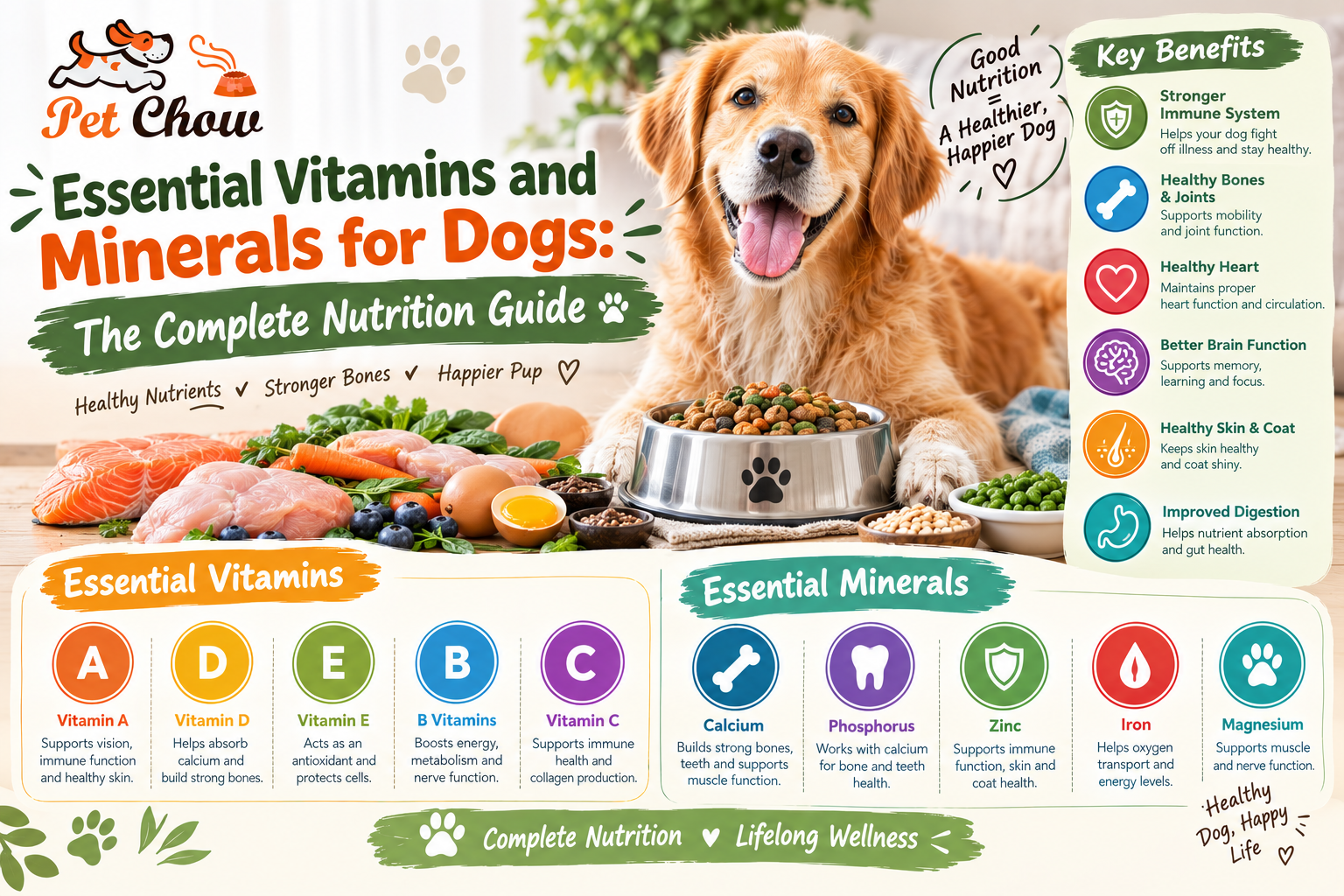

Each dog owner wants his or her dog to be thick and lustrous, and run around the yard with lots of energy. In the first place, it's all about the health of the cells. A dog's diet is based on protein, but small organic substances, called amino acids are used for all internal processes. Dogs can have unknown micro nutrient deficiencies at times, which can result in a sluggish dog, loss of muscle tone or skin irritation and regular commercial kibbles won't provide the correct amount of calories per day.
Once you know the role these nutrients play, it'll be easier to recognize any deficiencies at an early stage and create a menu that will keep your dog healthy.
3 Core Benefits of Amino Acids
Branched-chain Amino Acids like Leucine, Isoleucine and Valine are utilized to fix the muscles after playing and being on foot every day.
- Immune Protection: Arginine and lysine aid the immune system in coping with common and normal pathogens.
- Skin & Coat Health: Methionine aids in the formation of healthy hair, supports normal shedding, and helps prevent dry skin. Adding a specialized dog coat supplement can further enhance fur shine and resilience.
- Behavioral Balance: Tryptophan is converted to serotonin naturally, which can help to soothe anxiety during noisy storms or trips.
Key Essential Amino Acids and Their Roles
Dogs need a complete dietary profile to stay active. Here is how key individual amino acids keep your pet healthy:
|
Amino Acid |
Main Physical Function |
Common Natural Food Sources |
|
Arginine |
Detoxifies waste and aids immune health |
Beef, poultry, eggs, fish |
|
Leucine |
Rebuilds muscle and balances blood sugar |
Chicken, beef, fish, soy |
|
Lysine |
Supports collagen and calcium absorption |
Red meat, eggs, cheese |
|
Methionine |
Builds fur keratin and supports liver health |
Fish, poultry, whole eggs |
|
Tryptophan |
Produces serotonin to promote calm behavior |
Turkey, oats, pumpkin seeds |
Spotting the Warning Signs of an Amino Acid Deficiency
Nutrient shortfalls rarely happen overnight. Instead, subtle symptoms tend to creep up over several weeks:
- Sudden loss of muscle mass, especially around the spine or hind legs.
- Heavy shedding, brittle fur, or patches of dry, irritated skin.
- Noticing a sudden red spot on dog skin or slow recovery from minor scrapes.
- Unexplained fatigue or low stamina during routine walks.
- Mild digestive issues and trouble absorbing nutrients.
Catching these physical signs early gives you plenty of time to tweak your dog's diet before real health issues develop.
Simple Ways to Ensure a Balanced Canine Diet
Meeting your dog's nutritional needs comes down to picking high-quality whole foods:
Choose High Quality Animal Proteins
Cooked or canned chicken, beef, turkey, lamb and eggs are easily digested and complete in all essential amino acids by dogs. Plant protein generally has low levels of methionine and lysine, but is a good source of vitamins. Relying on healthy dog food brands that prioritize real animal proteins ensures complete daily coverage.
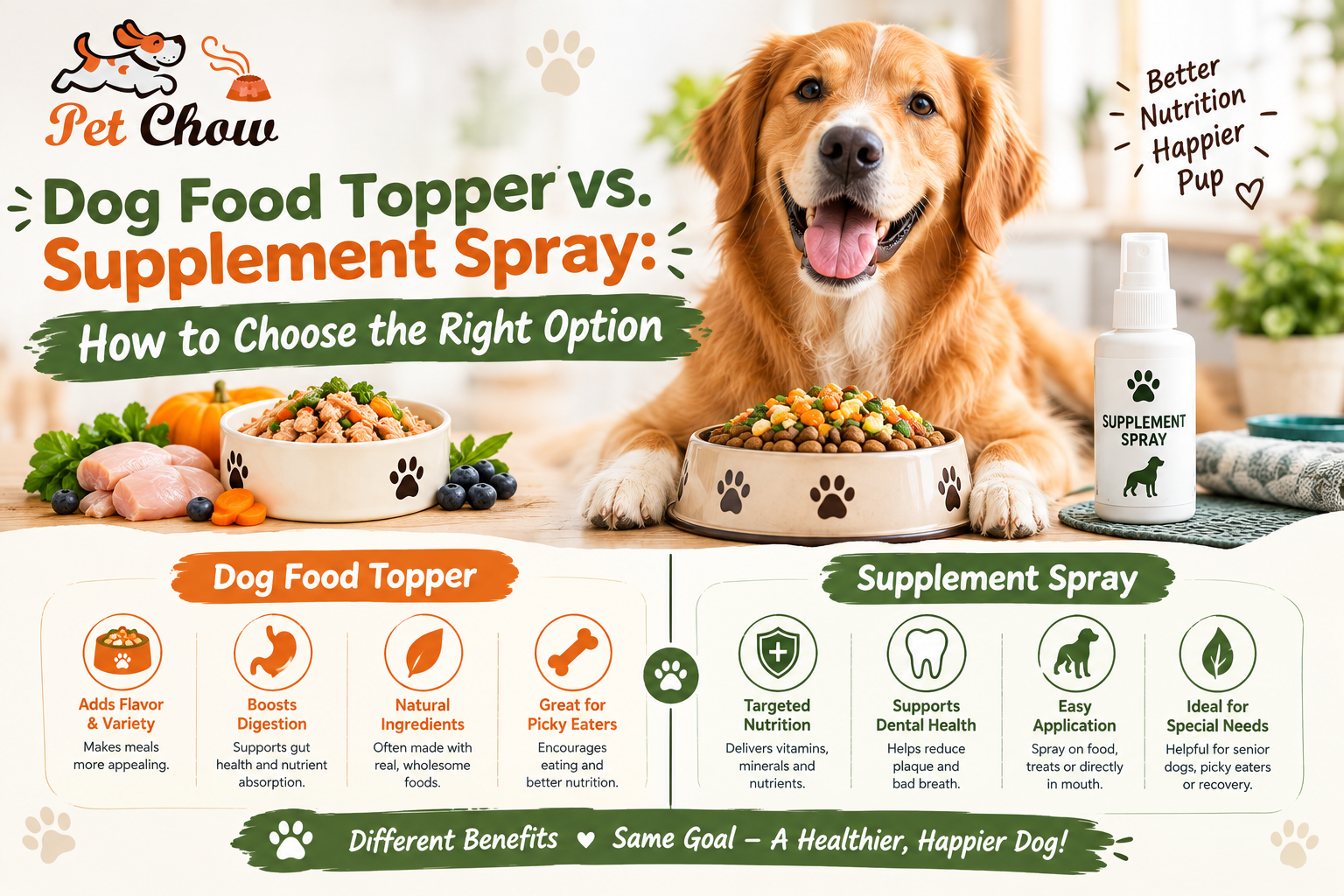
Be sure to use Fresh Food Toppers.
Although easy to make, conventional dry pellets can alter the fragile proteins as a result of the high process temperatures. Raw and highly available amino acids from a plain boiled egg, canned sardines (water packed) or cooked turkey can help with daily recovery.
Identify and meet target nutritional requirements for life
Protein demands vary significantly across life stages. Puppies require extra lysine and histidine to fuel rapid bone frame growth, where a dedicated multivitamin for puppy or a specialized dog supplement for growth helps fill foundational gaps. Lysine and histidine are higher in puppies for their need to grow their bones quickly, and leucine is higher in older dogs because they have older muscles.
Conclusion
With knowledge of the amino acids, however, you can contribute to keeping your dog healthy for a lifetime. These nutrients do not get the attention they deserve when it comes to muscle building, boosting up immunity, soothing dry skin and regulating mood. Your friend will be full, active and happy with meals of good protein and fresh ingredients.
Frequently Asked Questions
The major amino acids for dogs advantages?
Amino acids help fix damaged muscle. They also support the body in making antibodies. That can back up the immune system. They can help keep skin and coat in good shape too. They also play a role in brain chemistry, which may help a dog stay steady emotionally.
How many essential amino acids do dogs need?
Dogs rely on 10 essential amino acids that they cannot make on their own. These must come from food. The list is arginine, histidine, isoleucine, leucine, lysine, methionine, phenylalanine, threonine, tryptophan, and valine.
Can a dog get enough amino acids from a vegetarian diet?
Plants do contain protein. Still, many plant sources do not provide a full set of amino acids. Animal proteins usually offer better absorption in the body. They also provide a complete amino acid profile.
If a dog did not have Methionine, what would happen to it?
A generalized methionine deficiency results in dull, brittle coat, excessive shedding, dry skin and decreased liver detoxification.
Are amino acids required in greater amounts for older dogs?
Yes. In older dogs protein is not utilized as efficiently and protein loss is accelerated. They can maintain joint mobility and muscle mass by supplying them with high quality and digestible amino acids.
What is the effect of tryptophan on a dog?
Tryptophan is turned into serotonin, a brain chemical that helps to regulate mood, reduce stress and help you sleep peacefully.
Is it safe for people to take amino acids every day?
If made just for dogs, quality supplements are safe and quite beneficial to active dogs, puppies growing or pets who have been ill.
Can supplements help with weight gain or skeletal health?
Yes. For working or underweight dogs, combining balanced amino acids with a tailored dog supplement for weight gain rebuilds lean muscle.
Are amino acids affected during high heat processing of commercial kibbles?
Yes, there is a point of the factory heat getting to a delicate amino acid, which is why fresh whole-food toppers are a very good idea.
Is too much protein bad for dogs?
Normally, excess amino acids are excreted by healthy dogs, but dogs with a pre-existing kidney or liver disease must have high protein levels controlled.