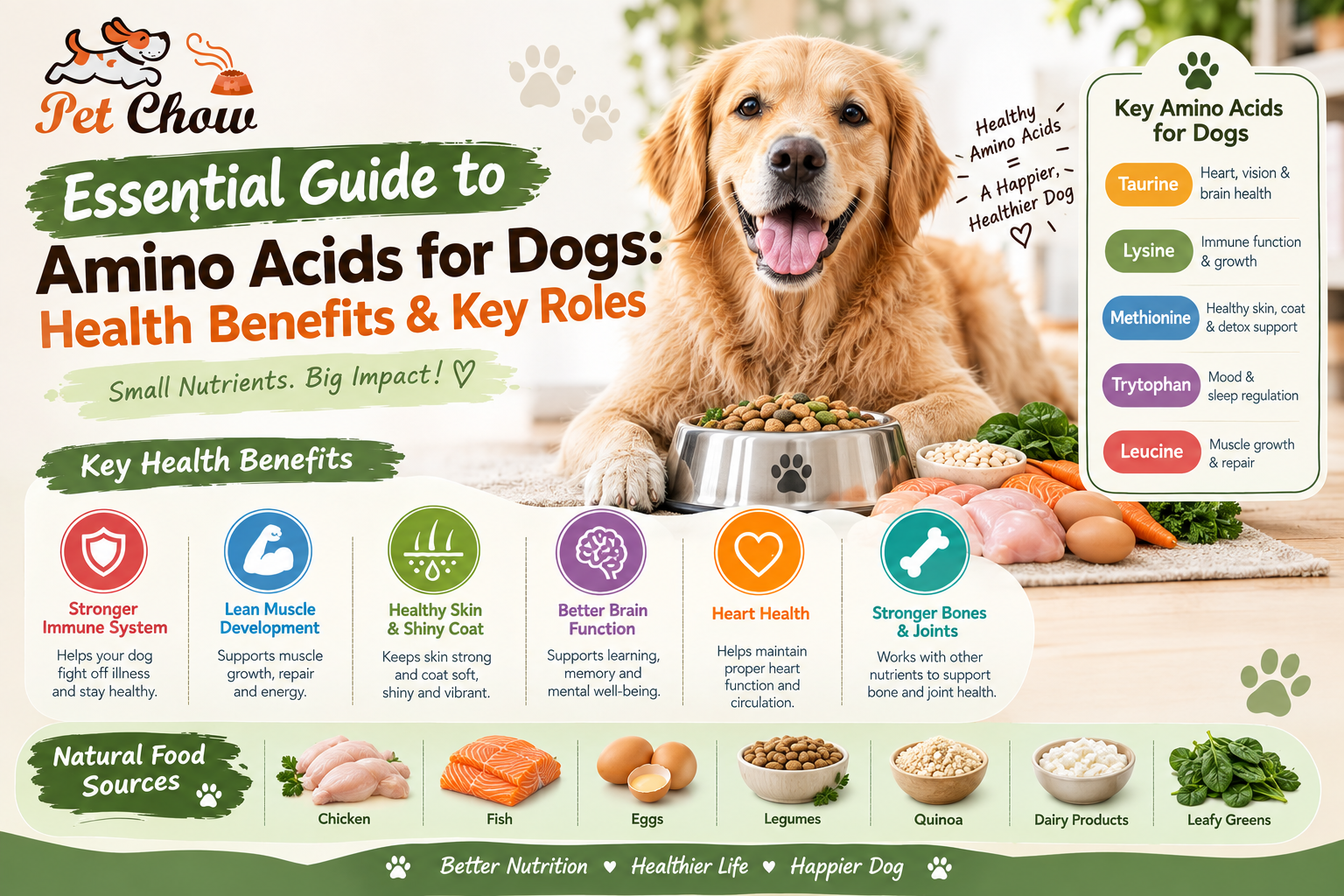

Every one of us wants our dogs to be happy, come to us for walks every day and have a clean shiny coat. However, providing a dog with good health is much more than simply placing a bowl of dry food in front of him or her in the morning and evening. From every wagged tail and high-energy sprint come a silent chorus of vitamins and minerals keeping their engine firing. The basic calorie requirements are generally covered in commercial foods but there are still a few nutritional gaps that can result in dry skin, stiff joints or lack of energy.
With an understanding of these tiny nutrients, you'll be able to recognize indicators earlier and plan a meal for your pup that will make him thrive! Exploring trusted resource portals like petchow helps pet owners understand how these essential nutrients keep canine companions thriving at every stage of life.
What are Essential Vitamins & Minerals & What Do They Do?
Compare vitamins to the internal mechanics—they perform metabolic functions, regulate organ activity and maintain organs. Physical materials are minerals, that form the teeth, bones, tissue and help to balance the internal fluids.
Most of these nutrients cannot be synthesized by dogs and require them to obtain them from their food. When selecting daily meals, pet parents often look into top-rated pet food brands in India to ensure baseline nutritional requirements are met.
The Core Nutrients Your Dog Needs
Fat-Soluble Vitamins
These nutrients are soluble in fat, and stay within the fatty tissues and liver. Balance is everything since they will be stored up for later. Excessive amounts can cause toxicity, while insufficient amounts can lead to health issues.
- Vitamin A: Maintains keenness, restores skin and enhances immune strength. Some of the best natural sources are liver, carrots and fish oil.
- Vitamin D: Helps calcium and phosphorus to build and maintain strong bones. It can be found in egg yolks and beef liver.
- Vitamin E: A protective antioxidant that helps safeguard cells from the stresses of everyday life. It's abundant in leafy greens and plant oils.
- Vitamin K: Aids in proper blood clotting to prevent problems with small cuts. Present in vegetables and good bacteria.
Water-Soluble Vitamins
These are excreted in the urine, while fat soluble vitamins remain in body and get deposited. Dogs require a steady supply of energy in their diet every day.
- The B Complex Vitamins are a team of Thiamine (B1), Riboflavin (B2), Niacin (B3), Pyridoxine (B6), Folic Acid (B9) and Cobalamin (B12). Assist in the transformation of food into physical fuel, protect nerve cells, produce red blood cells and maintain hormonal balance.
- Vitamin C & Choline: Vitamin C assists to alleviate the stiffness in joints of older dogs, Choline aids liver function, brain health and fat processing.
Balancing Macro and Trace Minerals
Dogs need macro-minerals in larger daily amounts, while trace minerals are only required in small pinches. Both are equally vital for daily health.
|
Mineral Type |
Specific Nutrients |
What They Do |
Easy Food Sources |
|
Macro-Minerals |
Calcium, Phosphorus, Magnesium, Sodium, Potassium |
Build dense bones, protect teeth, keep heart rhythms steady, and balance cellular fluids |
Dairy, bone meal, leafy greens, whole grains |
|
Trace Minerals |
Zinc, Iron, Copper, Manganese, Iodine, Selenium |
Keep fur thick, carry oxygen in the blood, shield cartilage, and support thyroid health |
Red meat, organ meats, seeds, shellfish |
Spotting the Warning Signs of a Gap
Nutrient deficiencies do not manifest themselves in a single day. Rather, they grow slowly over weeks or months. Be alert for:
- Heavy shedding, persistent scratching, or a mysterious red spot on dog skin
- Loss of stamina during normal walks and fetch games.
- Loose stomach upsets, slow healing minor cuts or brittle nails
If you notice a loss of appetite or sudden weight loss alongside low energy, introducing a specialized dog supplement for weight gain can help restore healthy body mass safely.
Simple Ways to Upgrade Your Dog's Diet
Each dog is unique and will vary in their needs due to age, breed size and activity.
- Add Whole Foods: While standard kibbles provide a steady baseline, the higher the production heat, the more likely it is that heat-sensitive vitamins will be lost. Fresh topping such as a cooked egg, some plain sardines or cooked vegetables casily fills those spaces.
- Monitor growth rates: Puppies, particularly those of larger breeds, expend a lot of calories. But if they're loaded up with too much calcium, bones may grow too rapidly, and cause joint issues in the future.
Conclusion
By taking the time to learn about basic dog nutrition you'll be in complete control of your dog's health in the long run.
Whether it's building bone structure, aiding digestion or maintaining skin comfort, these little guys are responsible for doing a huge number of things to keep your companion happy, active and thriving.
Frequently Asked Questions
Which vitamins and minerals are the most important for dogs?
Vitamins A, D, E, K and the B-complex group of vitamins and other important minerals like calcium, phosphorus, zinc, iron and magnesium are among the first.
May I give my dog human vitamin supplements?
Human vitamins are not intended for dogs, and many of them include ingredients like xylitol, or too much iron that is toxic to dogs.
Which of the following are the first signs of a nutrient deficiency?
It will be seen in their coat, their energy, they will shed a lot and scratch constantly, they will be tired, have a sensitive stomach or tummy.
Do kibbles and tablets offer a complete diet for a dog?
The raw nutrients have been lost during factory processing, and the nutrient content of kibbles is good. In most instances, the lack of these is compensated for by eating fresh, whole food or taking supplements.
Are there any side effects to giving dogs too many vitamins?
Yes. The symptoms of excess of fat soluble vitamins (particularly A and D) occur gradually and lead to health issues or toxicity.
Which of the following helps to maintain bone strength in growing dogs?
Calcium, phosphorus and magnesium are essential for creating strong bones, maintaining healthy teeth, and proper muscle function.
Are there nutritional care requirements for puppies that are different than adult dogs?
Puppies do need a higher nutrient density to support growth (yes), but calcium intake should be carefully monitored to prevent any uneven development of bones (yes).
What is the role of zinc in skin and coat?
Zinc will aid the repair of damaged skin, reduce flaking, strengthen immune function and maintain soft and thick fur.
What is the role of B-vitamins in the daily energy?
B-vitamins are like an engine converter that transforms proteins, fats and carbs into usable energy everyday for the day, and maintains health and smooth functioning of nervous systems.
Are diets the remedy for digestive problems?
Absolutely. A well-balanced diet supports healthy gut flora, limits gas production and greatly improves your dog's ability to digest food.