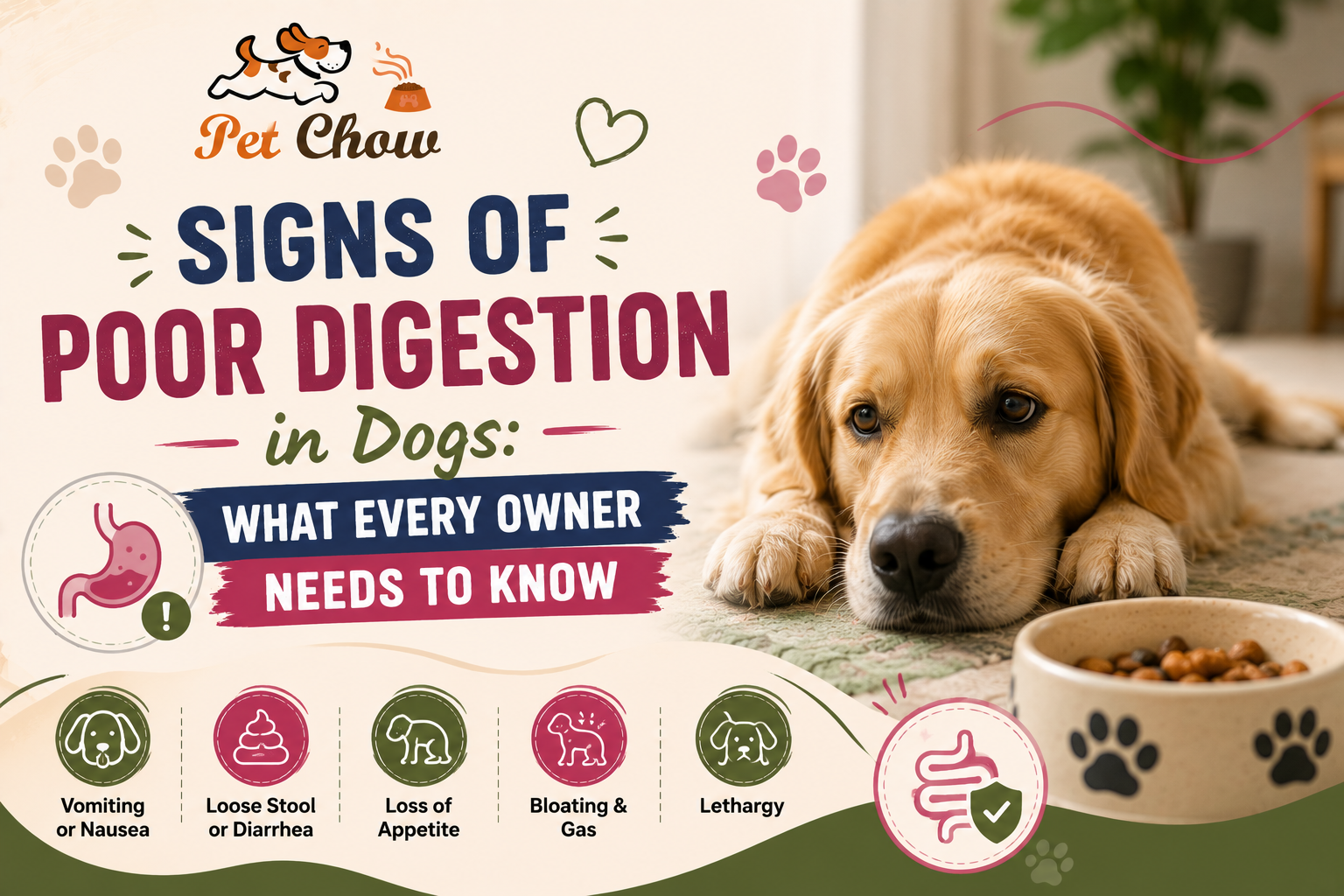

Any pet parent can get concerned when they see a dog dealing with a rumble in their belly, painful gas or dirty soft stools. The daily approach for keeping a dog's stomach comfortable is to feed on a regular schedule, gradually change food for 10 days, add plain pumpkin fiber, provide fresh water, and give Dog-Specific Probiotics every day.
Knowing about the dog's digestive system will help you a lot to avoid stomach issues in the first place. There are trillions of microscopic organisms in a dog's stomach and intestines. This community of helpful and harmful bacteria is known as the gut microbiome. In a healthy dog, there are more beneficial than harmful bacteria. They're constantly busy digesting, absorbing the nutrients they need, battling harmful bacteria, and maintaining a healthy immune system.
What Is the Canine Gut Microbiome?
A dog’s gut setup is kind of surprisingly delicate. Like, everyday life stuff can nudge the healthy microbial balance out of whack real easy, and it doesn’t take much. For example:
- Sudden food changes: Swapping kibble options, switching between healthy dog food brands, or trading protein sources too fast without a slow transition phase.
- Stress and nervousness: loud thunderstorms, vet checkups, road trips ,or just being in some new boarding kennel that feels unfamiliar.
- Scavenging: grabbing snacks from trash, nibbling on odd plants, or sipping from outdoor puddles.
- Medications: taking antibiotics that wipe out good bacteria as well as the harmful ones, at the same time.
When the bad microbes start outnumbering the good microbes, you get a situation called gut dysbiosis. Most dogs will then show typical clues like sudden gas, gurgling belly sounds, low energy, appetite dipping, or messy stools.
How to Support Dog Digestion Daily Through Simple Meals
Food forms the basis of canine digestion. How and what a dog eats every day dictates how comfortable their stomach will feel.
Stick to a Regular Feeding Schedule
Feeding a dog at the exact same times each day keeps their stomach acid and digestive enzymes running on a predictable clock. Most adult dogs thrive on two measured meals per day. Avoid leaving food out continuously, as free-feeding leads to overeating and slow, heavy digestion.
Make Diet Changes Very Slowly
Never swap out a dog's food overnight. The gut needs adequate time to adapt to new ingredients. Whether you are moving to new options from trusted pet food brands in india or changing formulas, mix the old and new food gradually over 7 to 10 days:
- Days 1–3: 75% old food and 25% new food.
- Days 4–6: 50% old food and 50% new food.
- Days 7–9: 25% old food and 75% new food.
- Day 10: 100% new food.
Natural Fiber and Hydration for Better Stools
Feeding the dog natural whole foods in its food bowl can make a huge difference in the quality of its stools and comfort in its gut.
Pumpkin and soluble fiber are more than just for filling your stomach; they offer numerous health advantages.
Plain canned pumpkin (not sweet pumpkin pie filling) is an effective dog belly remedy. It is rich in soluble fibre which has two effects:
- When used for loose stools: It increases the water content in the gut and helps harden the stool.
- If hard stools: It draws water into the bowel so that it is easier to pass.
- One or two teaspoons every day for meals is gentle support.
Constant Fresh Hydration
Dry kibbles get dissolved in water and the waste passes through the intestines. Veterinary research published in MDPI has found that gut microbes use healthy fluid levels and fermentable fiber to produce short-chain fatty acids, which helps to shield the wall of the gut. Ensure clean and fresh water is always available. If your dog won't drink water, add a little low sodium bone broth to the water and try again.
Beneficial Daily Probiotics and Prebiotics
Adding beneficial bacteria to a dog's diet offers ongoing protection for their intestinal lining.
|
Element |
What It Is |
How It Helps |
Common Examples |
|
Probiotics |
Live, good bacteria |
Outcompetes bad bacteria and protects the gut lining |
Bacillus coagulans, Lactobacillus |
|
Prebiotics |
Special plant fibers |
Serves as food for good bacteria to grow |
Inulin, chicory root, pumpkin fiber |
Using daily probiotic chews or powders helps maintain a steady population of helpful microbes. Paired with a daily multivitamin for puppy or growing dogs, it keeps the whole digestive system ready to handle minor stresses before they cause upset.
Everyday Routine Tips for Long-Term Canine Gut Health
Digestion depends on overall daily lifestyle habits, not just what enters the food bowl.
- Provide Daily Moderate Exercise: Regular daily walks stimulate physical movement in the gut muscles, helping push gas and waste along naturally.
- Manage Daily Stress: Dogs process anxiety through their stomachs just like people do. Keep daily schedules predictable and set up a peaceful, dark room for nervous dogs during storms or fireworks.
- Watch for Skin and Gut Connections: Gut imbalances can sometimes reflect on the outside. If you notice persistent itching or a sudden red spot on dog skin, restoring gut health can often help ease internal inflammation over time.
- Keep Outdoor Scavenging in Check: Pay close attention on walks so dogs do not eat rotting garbage, wild mushrooms, or stagnant puddle water.
Shaping up a Happier, Balanced Gut Routine
Balancing a dog's gastrointestinal tract is really all about routine. Meals at prescribed portions, progressive changes in foods, and a natural fibre supplement plus probiotics daily will keep stomach problems at bay. When exploring options on petchow.in, combining digestive care with a dedicated dog coat supplement can support your pet from the inside out.
Frequently Asked Questions
What are the earliest signs of digestive issues in dogs?
Early warning signs include stomach gurgling, frequent gas, excessive lip licking, turning away from food, or slightly loose stools.
Can daily exercise really help a dog's digestion?
Yes, light to moderate activity like walking stimulates intestinal contractions, which helps prevent trapped gas and constipation.
Is it safe to give dogs plain pumpkin every day?
Generally yes , because giving about 1 to 2 teaspoons of plain pumpkin puree daily is considered safe, and it helps bring fiber into their diet which can be really useful.
How quickly do diet changes affect a dog's stool?
If the diet changes happen all at once, loose stools can show up within 12 to 24 hours . A slow transition, like blending in the new food over 7 to 10 days, usually stops the whole issue before it starts.
Why does my dog's stomach rumble so loudly after eating?
Those big tummy rumbles are often just gas traveling along the digestive pathway, while the meal gets broken down and sorted out.
Do probiotics help dogs that eat grass?
Eating grass can stem from mild stomach irritation or a lack of dietary fiber, both of which probiotics and prebiotics help address.
If a dog is having an upset tummy, should it be fed?
If stomach upsets are mild in adult dogs, 12 hours of rest (with plain water) will allow the stomach to settle before you feed a bland meal.
Is there any digestive supplement for humans that is safe for dogs?
No, human supplements include strains of bacteria that are designed to function in the human digestive system, and they may also contain artificial sweeteners, which can be poisonous to dogs, such as xylitol.
Does a dog's stress level cause them to have diarrhea?
Yes, stress does produce a fast release of hormones, which cause bowel movements to happen, causing a sudden bowel movement.
When should a dog go to see his vet for stomach issues?
Call your vet right away if your dog has diarrhea for more than 48 hours, if your dog looks tired, is vomiting, is not eating, has a fever, or has blood in its stool.