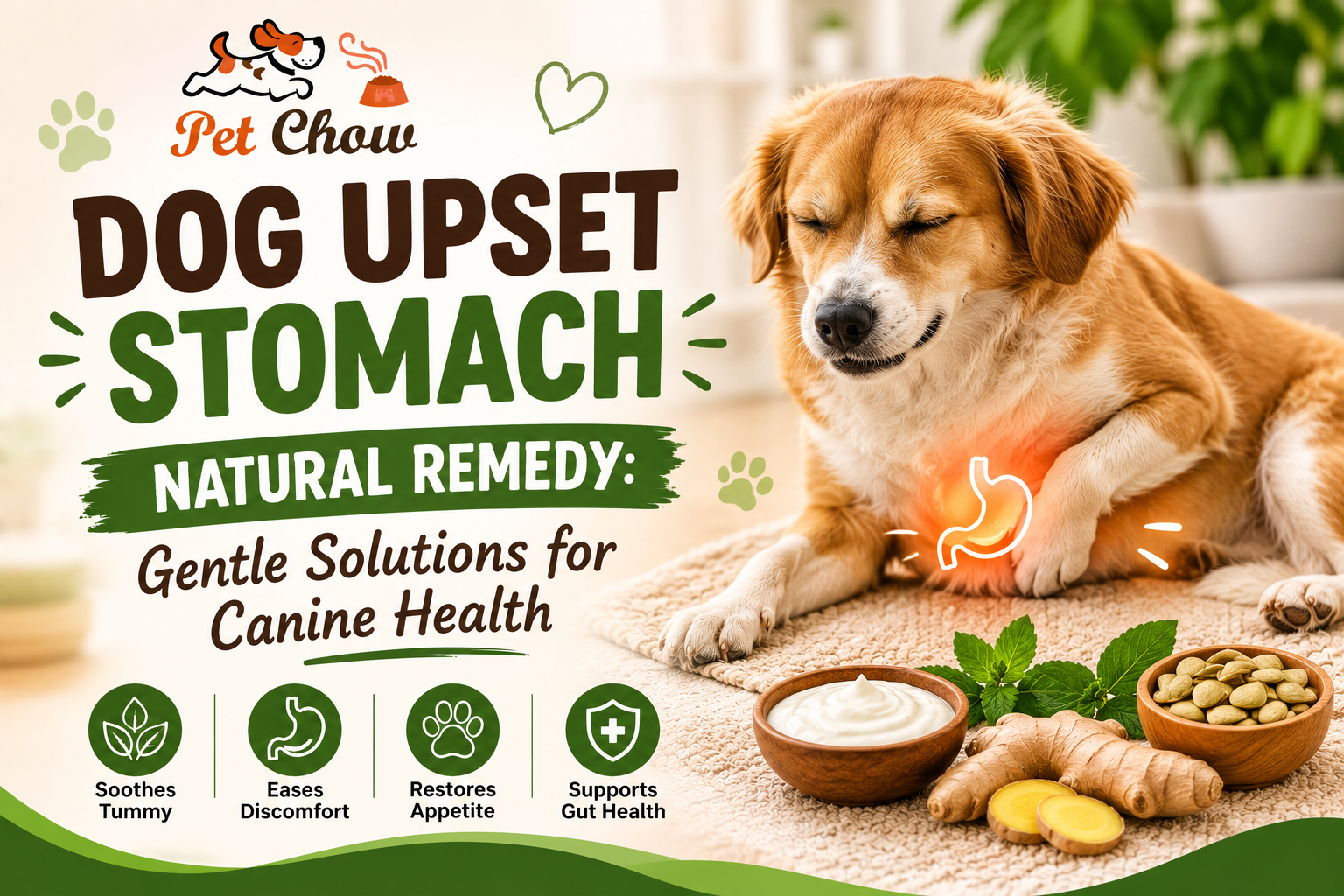

If you know the normal signs of poor digestion, you can take action immediately to help resolve your canine's gastrointestinal issues. Your pet may be having trouble digesting if it has frequent gas, has sounds in its stomach, has loose stools or if the weight fluctuates.
Knowing the workings of a dog's digestive system can make it easier to realize how to prevent potential problems. Trillions of tiny organisms inhabit your pup's stomach and intestines – together this collection of helpful (and harmful) bacteria form what's called the gut microbiome. With a healthy pup these good bacteria outnumber the harmful ones by a huge margin, and they're at work all day long, digesting food, removing what they need, battling harmful bacteria and bolstering their immune system.
What are some of the most common indications of poor digestion in dogs?
Digestion difficulties typically manifest themselves in an early period of time. Paying attention to your dog's poop and activity can give you strong indicators of your dog's gut health.
When a dog is healthy its stool should look like this:
Healthy dogs have no loose or watery stools. If you've been watching your pup's tummy lately, you may have noticed some differences in their poop. If you look closely, here are common digestion problems that can be detected by a careful study of their droppings.
- Diarrhea That Lasts More Than A Day: If they are going through the gut faster than they're supposed to.
- Mucus in their stools: This is because of the inflamed lining in the large intestine.
Constipation is hard, dry, nugget like stools because the food waste is too slow in moving through your gut, which causes it to lose all its moisture.
Frequent Gas and Loud Stomach Noises
If your dog's gas is only occasional, don't worry about it, but if it's constant, you'll soon know that your dog is not digesting well.
-
Bubbles form when there is food that hasn't been eaten that's fermenting in their tummy, which can cause pain from the pressure, and make their tumble sound as if it's been hit by a storm!
Physical and Behavioral Changes to Look Out for
Bad gut health seems to run through the whole dog, so over time it changes how they act , what they eat, and even how they look.
Loss of Appetite and that Nausea feeling
When a dog’s tummy is not happy, they may sort of drift away from the food bowl like it’s suddenly a bad idea. You can notice nausea with signs like :
- Too much lip licking , or lots of swallowing like they are trying to clear something.
- Drooling more than usual.
- Going outside and eating grass, almost like they’re attempting to coax vomiting.
Common nausea clues
[ Lip Licking ] ──> [ Excess Drooling ] ──> [ Eating Grass ] ──> [ Turning Away From the Food]
Unexplained weight loss and a dull coat
Long-term intestinal inflammation messes with nutrient absorption, meaning the body struggles to pull in proteins and key fats from meals, which can lead to weight dropping and fur that looks less lively.
Daily Factors That Trigger Canine Stomach Trouble
- Dietary changes: Such as switching your kibbles from brand to brand (and skipping the 7-10 day transition). Sticking with trusted, high-grade options from the best dog food brands helps keep digestion predictable, though any sudden transition can still trigger discomfort.
- Scavenging: Like eating garbage, rotting stuff, or drinking standing water out there outside
When selecting kibble, choosing formula lines from recognized healthy dog food brands ensures your pet receives clean ingredients that are gentler on sensitive stomachs over the long run.
How to Compare Healthy vs. Unhealthy Dog Digestion
Keeping track of daily gut symptoms helps owners know when to adjust meals or call a vet.
|
Symptom Category |
Healthy Dog Digestion |
Signs of Poor Digestion |
|
Stool Quality |
Firm, brown, holds shape easily |
Runny, watery, greasy, or contains mucus |
|
Gas & Odor |
Minimal, rare gas buildup |
Daily foul gas and loud belly noises |
|
Energy Levels |
Playful and active post-meals |
Lethargic, resting frequently after eating |
|
Appetite |
Eager to eat at scheduled times |
Hesitant, picks at food, or skips meals |
Simple Daily Steps to Improve Canine Gut Comfort
Supporting a dog's digestive system comes down to steady, healthy daily routines.
- Feed on a Regular Schedule: Serve measured meals twice daily to keep stomach acid on a predictable clock. If you prefer the convenience of ordering supplies directly to your doorstep, exploring pet food online india services makes it easy to maintain a steady feeding routine.
- Add Soluble Fiber: Mix 1 to 2 teaspoons of plain canned pumpkin into daily food to help firm up loose stools.
- Provide Dog-Specific Probiotics: Daily beneficial bacteria help rebuild gut flora and shield the intestinal lining.
- Keep Fresh Water Available: Proper hydration is required to break down food and keep waste moving smoothly.
To ensure your dog receives complete daily nourishment while their gut heals, adding the best multivitamin for dogs can bridge any immediate nutritional gaps caused by poor absorption.
Helping Your Companion Enjoy Better Belly Health
Knowing these signals will empower you to spot potential digestive troubles early on so they don’t spiral out of control. Feeding portioned meals at a regular schedule, adding new foods gradually, supplementing with fibers and safe for pets probiotic strain should make your best friend’s GI stay healthy forever!
A well balanced gastrointestinal tract means your pup will have tons of energy and their stools won’t be weird anymore. They will spend less time bellyaching about their insides.
Frequently Asked Questions
What Are The Most Common Signs Of Poor Digestion In Dogs?
Loose stools, frequent gas, loud stomach gurgling, Vomiting, loss of appetite & low energy are some of the most common indicators that your dog might be having trouble with its digestive system.
Is It Possible For Stress To Cause Sudden Digestive Problems In My Dogs?
Yes, stress causes an immediate surge of hormone release which helps speed up the process of contractions happening in your intestines resulting into sudden Diarrhea / gas.
How Long Does A Mild Dog Stomach Upset Usually Last?
Stomach upset due to some minor dietary mistakes usually clears within 24-48 hrs when given appropriate care & Hydration.
Is Stomach Gurgling In Dogs Always A Bad Sign?
The occasional sound of your pup’s tummy rumbling is a typical part of their digestion process. However, if you hear it frequently or notice accompanying symptoms like lethargy, then this means that there could be a problem with your dog’s gut health.
Why does poor digestion cause a dog's coat to look dull?
When the gut cannot absorb essential fatty acids and vitamins properly, the skin and coat lose the nutrients needed to stay shiny and healthy.
Should I fast my dog if they have a bad stomach?
For mild stomach upset in adult dogs, resting the stomach for 12 hours with access to fresh water gives the digestive tract time to settle.
How fast will my dog’s stool be affected by dietary changes?
Any unplanned diet change will lead to loose stools of your pets within 12-24 hours. It is recommended to phase-in the new foods slowly on the pet within a period of 7-10 days.
Are human antacids / digestive aids safe for my Dogs?
Human medications may have components or dosages that can be dangerous or even deadly for our pets. If you’re uncertain about giving your dog medication for health problems, always talk with your vet before doing anything.
Will my dog develop bad digestion if they eat quickly?
If you eat too fast, you might swallow an extra amount of air while doing that. Which will make you feel uncomfortable due to some kind of gas inside your stomach with some other side effects. And here we suggest you feed your dogs from slow-feeder bowls to prevent all these things.
When To See A Vet Regarding Digestive Problems Of Your Dogs
You should go see a vet whenever your dog suffers digestive issues continuously for more than 48 hours regarding either vomiting or having loosed stools. Along with that, if they vomit up blood then you have to carry them immediately on your nearest vet center along with showing any extreme lethargy and fever or anything else.