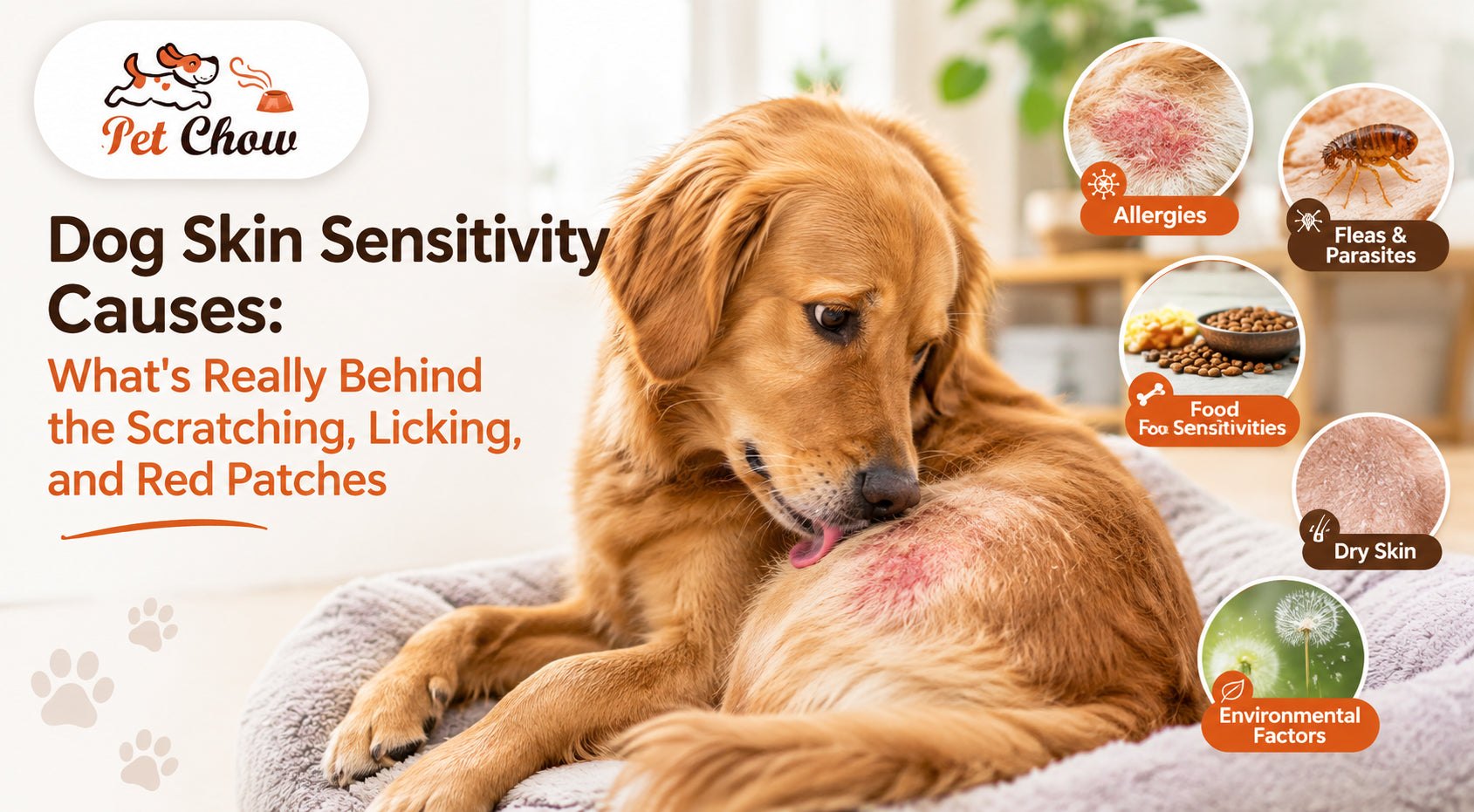

Every year, we watch our dogs struggle through different types of weather be it summer heat, rainy seasons, or winters. And chances are high that you’ve noticed your dog experiencing itching and red patches during these times! Don’t worry about it if they seem okay otherwise.
That being said, there are some telltale signs that indicate your dog might have seasonal skin issues requiring medical attention. In this article, we will dicsuss what causes these issues, how they’re related to specific seasons, and share tips for maintaining good skin health. Plus, you’ll find easy examples to recognize symptoms early!
What Are Seasonal Skin Problems In Dogs?
Skin issues experienced by dogs specifically around certain periods of the year are called “seasonal skin problems.” These conditions are linked to factors such as weather, humidity, exposure to pollens, presence of pests, etc. For example, maybe your dog was having no problems in winters but started chewing his/her paws when rains come. If you see such situations repeating every year then that’s probably due to a change in seasons!
Some common symptoms are itchiness, hotspots (red bumps), dandruff, dry flaky skin, and patchy hair loss.
Many dogs experience only mild symptoms of Malassezia infections. However, other dogs may scratch themselves enough to cause problems such as trouble sleeping, poor appetites, etc., especially if they have thick coats, deep skin folds, or white fur.
Why Seasonal Skin Problems in Dogs Happen
Allergies to Pollen and Dust
Like us, many dogs experience reactions from pollen, grass, or dust. Most often, their reaction consists of itching rather than sneezing – commonly on the paws, belly, ears and/or armpits.
Too Much Heat or Moisture
In hot, humid weather, your body sweats more. Sweat can trap germs and yeast that cause smells. This leads to damp, sticky fur, sour odors, and a red spot on dog skin.
Humid weather also can leave your skin feeling sweaty, wet, and sticky. It can make your skin smell bad, turn reddish, or get oily quickly.
Fleas, Ticks and Mites
One small flea bite on a sensitive pup can trigger intense itching — which can lead to open sores from scratching.
Seasonal Skin Problems in Dogs During Summer
Hot Spots
Hot spots are red, wet, painful patches that appear fast. They often start when a dog keeps licking one area in the heat. Bruno, a three-year-old Labrador, developed one on his thigh after a long afternoon walk. Within two days it had spread to the size of a palm.
Sunburn and Dry Patches
Dogs with thin or light coats can get sunburned, especially on the nose, ears, and belly. Shaving a coat very short makes this worse, because the coat acts as natural protection from the sun.
Flea and Tick Season
Summer is the peak time for pests. Tall grass in parks and gardens is a common place for dogs to pick them up. Checking the coat after every outing takes only a minute and helps a lot.
Seasonal Skin Problems in Dogs During the Monsoon
Fungal and Yeast Infections
Damp air and wet fur are a perfect mix for fungus. Signs include a musty smell, greasy fur, dark skin, and itchy feet. Pugs and Bulldogs often get infections inside their skin folds.
Wet Paws and Belly
Walking through puddles leaves paws soaked, and many dogs lick them for hours afterward. A Beagle named Coco kept chewing her paws every July until her family started drying them well after each walk. The licking stopped within a week.
Ringworm
Despite its name, ringworm is a fungus, not a worm. It causes round, hairless patches and spreads easily to other pets and people. A vet visit is needed if this is suspected.
Seasonal Skin Problems in Dogs During Winter
Dry and Flaky Skin
Cold air and indoor heaters pull moisture from the skin. Owners may spot white flakes, similar to dandruff, on the dog's bed or back. The coat can also look dull.
Over-Bathing
Bathing your dog too frequently during winter strips essential barrier oils, triggering severe dryness. Stick to gentle bathing routines and consult your vet about a supportive dog coat supplement to maintain natural shine and moisture.
Cracked Paws
Cold floors and rough surfaces can crack paw pads. Cracks may bleed and make walking painful.
Spring and Autumn Allergies
Changing weather brings pollen in spring and dust or smoke in autumn. In north India, post-harvest smoke can irritate both lungs and skin. Dogs may rub their faces on carpets, lick their paws, or get red, watery eyes. Wiping the coat and paws with a damp cloth after outdoor time removes much of the pollen and dust.
Signs That Need Attention
Owners can watch for these early signs:
- Scratching, licking, or chewing that goes on for hours
- Red, swollen, or wet patches
- Hair falling out in clumps
- A sour or musty smell
- Black or thickened skin
- Scabs, bumps, or flakes
- Shaking the head or rubbing the face
Simple Ways to Care for a Dog's Skin All Year
Keep the Coat Clean and Dry
Brush often to remove loose hair and dirt. After baths or rain, dry the dog fully, including between the toes.
Use Gentle Products
We recommend using only products that are intended to be used for dogs since human shampoos contain a different pH balance and could leave your dog’s coat feeling dry. For growing dogs, pairing a complete diet with a multivitamin for puppy or a dog supplement for growth ensures they receive adequate structural nutrients.
Feed Well
Ensure that your dog has a balanced diet with good protein. Your veterinarian may recommend giving them omega 3 supplements if they have dry or itchy skin.
Control Pests
A regular flea and tick prevention (as recommended by your vet) will work better to prevent an infestation from happening.
Wash Bedding
Make sure to clean the dog’s bed and blankets every week, specially during the monsoon.
When to Visit a Vet
You should also consider visiting the vet for other reasons such as if your pet’s itchiness lasts more than a few days, sores or bleeding occur, your dog appears tired, or he or she has lost their appetite.
It can be easy to mix up symptoms of skin problems, and some home remedies could even make things much worse.
Your vet will be able to run some straightforward tests and recommend suitable treatments based on what they find out.
Conclusion
As we know seasonal problems related to pets are very common these days but if you take care about your pet’s health then none of this will affect their daily life.
In every season there are different types of skin infections which include hot patches in summers, fungal infection in monsoons & dryness in winters.
So keep yourself informed about the initial symptoms, maintain cleanliness & dryness of their coats & stay attentive towards any kind of pest infestation around them. In case if any symptom appears for long period or seems severe please don’t ignore, better consult a vet to prevent complications. With proper care at all times you can make sure your dog has healthy skin coat through all seasons.
Frequently Asked Questions
What are the most common seasonal skin problems in dogs?
Itching, hot spots, fungal infections, dry flaky skin, flea allergies, and hair loss are the most common ones.
Which season is the worst for a dog's skin?
It depends on the dog. In India, the monsoon is often the hardest because of damp fur and fungus.
How can an owner tell if itching is seasonal?
If the scratching starts around the same time every year and fades when the weather changes, the season is likely the cause.
Can seasonal skin problems in dogs go away without treatment?
Mild cases may improve on their own, but many return or get worse. Early care prevents bigger problems.
Is it safe to shave a dog in summer?
Very short shaving is not advised. A trimmed coat is safer, because fur helps protect against heat and sunburn.
How often should a dog be bathed?
Most dogs do well with a bath every three to four weeks. Dogs with skin issues may need a different plan from the vet.
Does food affect a dog's skin?
Yes. Poor diet can lead to dull, dry skin, and some dogs are allergic to ingredients like chicken or wheat.
Will my children get any skin disease if we are getting dogs at home?
Others like ringworm and scabies might be transmitted to human beings. Handwashing after having contact with that kind of dog should be done.
Are coconut oils and others safe for us to use?
While coconut oil helps with dry skin on your dog, you should talk to a vet before applying this because some dogs get an allergic reaction if they use it, or lick it off.