
Many pet owners think their dogs might require additional vitamins to help them thrive, be resilient and healthy. Dogs can't get sufficient vitamin D from laying out in the sun due to the fact that their thick coat of fur prevents them from absorbing enough ultraviolet. This is their sole source of this fat soluble nutrient, as they rely almost exclusively on their daily intake of the nutrient to meet their needs.
Knowing the benefits of vitamin D3 for dogs can help pet parents decide when their dog needs supplementation to promote bone density, immune system health and heart health. If the body already has sufficient nutrients, taking additional pills can lead to problems, so it is important to know the signs, when to take them and how much is required. This is a one stop shop for introducing supplements and assessing daily meals, how to keep pets healthy and safe.
Why Vitamin D3 is so Important for Dog Health?
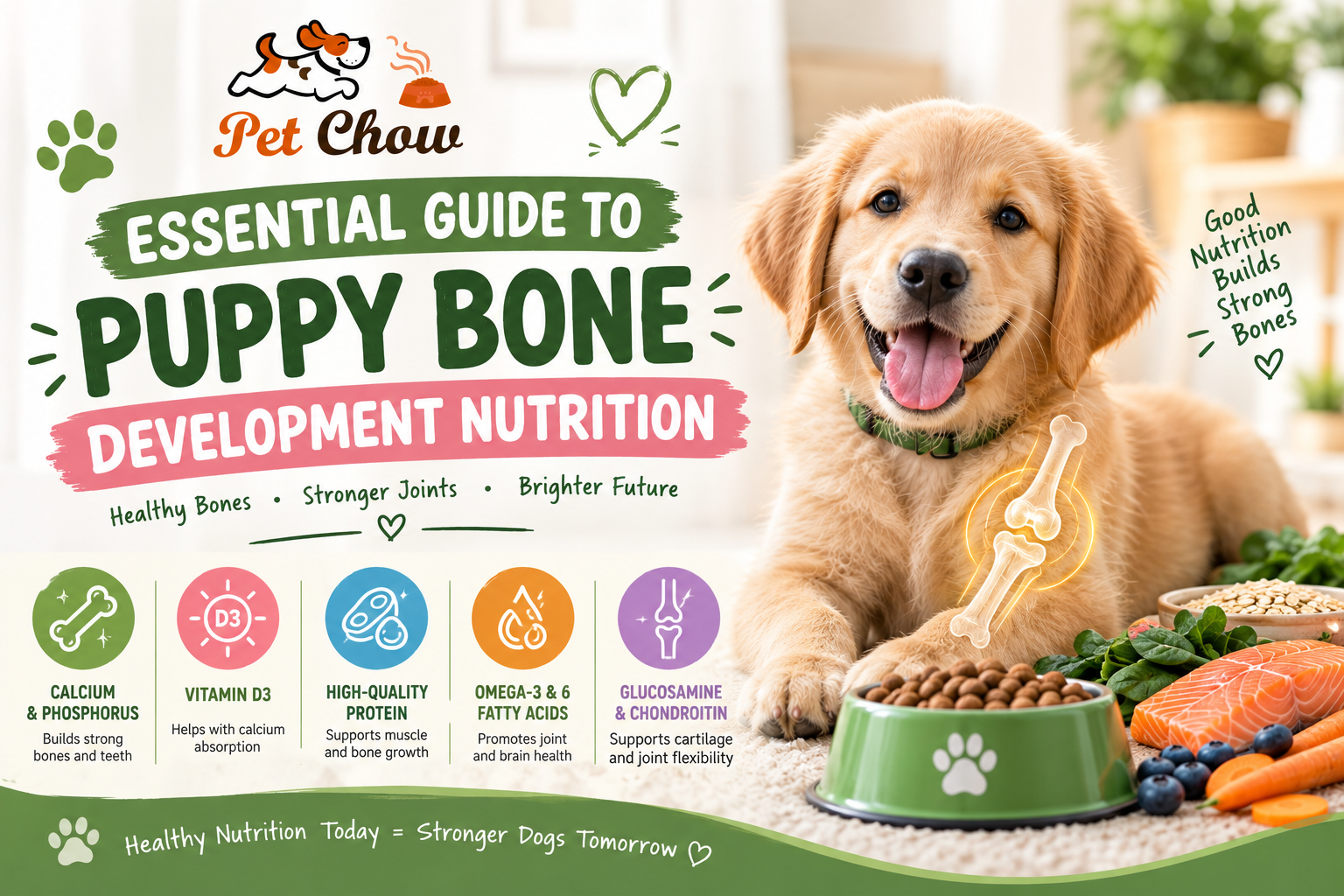
Vitamin D3 (Cholecalciferol) is not just a vitamin in the dog's body, but a type of internal control. It regulates the absorption of two key minerals: calcium and phosphorous, necessary for solid bones and strong teeth.
A dog that doesn't have enough vitamin D3 will not be able to effectively deposit calcium on its skeletal structure. This deficiency produces soft bones over time, and may cause stiffness in the legs as well as obvious muscle weakness. Studies indicate about 75% of family dogs have sub-optimal blood levels of vitamin D. Adding balanced pet supplements under a veterinarian’s guidance helps close these daily dietary gaps safely.
Top Vitamin D3 for Dogs Benefits Every Owner Should Know
Keeping balanced vitamin D3 levels directly improves almost every part of a dog's body. Here are the primary physical advantages of maintaining correct nutrient levels:
- Skeletal and Bone Strength: It guarantees calcium moves into the bloodstream and settles into the skeleton, preventing developmental issues like rickets in young pups.
- Heart and Circulation Support: Veterinary studies connect healthy vitamin D blood counts to stronger cardiac muscle contraction and lower risks of chronic heart trouble.
- Immune Defense Booster: It strengthens white blood cell activity, helping dogs fight off bacterial issues, skin infections, and seasonal bugs.
- Kidney and Organ Function: Balanced levels help filter bodily waste while saving critical minerals the body needs.
For active breeds or growing dogs that need sturdy frame support, combining vitamin D3 with a high-quality best dog calcium supplement maximizes mineral absorption for smooth mobility.
When Should You Give Vitamin D3 to Your Dog?
Determining the right time to start supplements depends on daily diet, age, and individual medical needs. Here are the most common situations where extra support becomes necessary:
1. Feeding Home-Cooked or Raw Meals
Homemade recipes often lack precise mineral mixes. Dogs eating unfortified raw meat or home-cooked rice and chicken often suffer from severe vitamin shortfalls over time.
2. Growing Puppies and Aging Seniors
Puppies build skeleton tissue at a rapid rate, while older dogs struggle to absorb nutrients through their intestinal wall. Both stages require routine dietary checks. Combining vitamin D3 with specialized dog growth supplements helps growing dogs reach physical milestones.
3. Recovering from Fractures or Joint Injuries
Dogs healing from broken bones or orthopedic surgery need reliable calcium binding. Adding a dedicated joint supplement for dog alongside vitamin D3 helps speed up physical recovery.
4. Managing Specific Medical Conditions
Vets often include measured vitamin D3 in treatment plans for dogs dealing with kidney issues, gut inflammation, or heart disease.
Key Differences: Commercial Kibble vs. Home Supplementation
Commercial dog foods meeting standard feeding guidelines contain basic vitamin D levels. However, high-heat manufacturing methods can lower actual nutrient values over time.
|
Feature |
Store Kibble |
Home Cooked Meals |
Targeted Supplements |
|
Vitamin Source |
Added premixes |
Natural foods (fish, eggs) |
Measured unit doses |
|
Consistency |
Standard per bag |
Varies with each batch |
Precise and easy to track |
|
Shortfall Risk |
Low (if complete meal) |
High without additions |
Zero with vet monitoring |
|
Overdose Risk |
Rare |
Very low |
Moderate if overfed |
How to Safely Administer Vitamin D3 to Your Dog
Because excess fat-soluble vitamins collect in fat tissue and the liver, giving supplements requires strict adherence to safe routine steps:
-
Get a baseline blood test: Don’t skip the preliminaries. Before you buy any off-the-shelf supplements get a standard blood test to check your existing vit levels, your vet can help.
-
Calculate the Exact Daily Dose: By body weight and food intake. Work with your vet to figure out the exact amount. Standard feeding rules recommend 500 IU to 3,000 IU per kilogram of dry food depending on age and size
-
Serve alongside Foods Containing Healthy Fats: Pair it with foods that contain healthy fats for best absorption in the gut. Take the supplement with meals that contain natural fats, such as fish oil or egg yolks, to make it easier for the gut to process this nutrient.
-
Re-Test Blood Levels After 6 to 8 Weeks: Prevents accidental overdose. After 2 months of continuous use, get a follow up blood test to confirm serum levels are staying safely in the 100-150 ng/ml range.
Recognizing Signs of Vitamin D Toxicity in Dogs
Dogs store vitamin D3 in their fat, so excessive vitamin D3 can lead to dangerous levels of calcium in the blood. Knowing the early signals saves dogs from injuries to internal organs.
- Increased thirst and peeing
- Rapid loss of appetite and weight loss
- Vomiting suddenly or having black, tarry stools
- Lethargy, weak and excessive salivation
- Stiff gait or muscle spasms
If a dog ingests human vitamin supplements or rat poison containing cholecalciferol by mistake, take them to an emergency animal hospital immediately.
Building a Healthy Future for Your Dog
One of the easiest methods to keep a dog healthy and strong over the long haul is to maintain correct mineral balance. Knowing more about the importance of vitamin D3 for dogs enables pet owners to make informed choices about their dogs' diet, including what to feed, cook, and supplement. Always ask a veterinarian, perform simple blood tests, and choose tested pet products. Through a balanced nutrition plan, a dog can have strong bones, moving freely and can live a long and happy life.
Frequently Asked Questions
Are Dogs Able to Make Vitamin D3 in Sunlight?
Dogs are unable to synthesize usable quantities of the vitamin from exposure to the sunshine because their fur stops the uv rays and also they lack enough quantity of the chemical required as the initial step of the process. So you need to provide your dog with this nutrient via diet.
Whole Foods That Are A Good Source Of Natural Vitamin D3 For Your Dog
Natural sources of D3 are foods like oily fish (salmon, sardines), beef liver, egg yolks, and specific dairy products.
Can you give your dog your human Vitamin D3 tablets?
No! They’re packed full of potent amounts of vitamin D3, and they contain harmful ingredients such as xylitol. You must choose a pet formulated option instead.
What are the main signs of vitamin D deficiency in dogs?
Common symptoms of vitamin D deficiency in dogs include weak bones, delayed development in puppies, recurrent infections, muscle weakness, and joint pain. You should take your dog to their vet for a simple blood test that will confirm if they have a vitamin D deficiency.
What is considered a safe blood level for dogs?
Healthy blood readings usually sit between 100 ng/mL and 150 ng/mL. Anything below 100 ng/mL points to a deficit, while numbers over 150 ng/mL raise toxicity risks.
Is vitamin D3 better for dogs than vitamin D2?
Yes. Vitamin D3 (cholecalciferol) is significantly easier for a dog's digestive system to absorb and use compared to plant-sourced vitamin D2 (ergocalciferol).
Does vitamin D3 help ease joint pain in dogs?
Yes. It regulates the calcium and phosphorus movement into the blood, directly influencing bone strength and joint cartilage. It works in conjunction with joint support formulas to help with overall mobility.
Does regular pet food contain adequate levels of vitamin D3?
All most dog food brands do is provide the minimum standards. Dogs coming from the hospital, pets that suffer from intestinal problems and rapidly growing puppies, however, may require additional assistance.
How quickly do vitamin D supplements work?
Within 14-42 days, daily supplementation can be clearly detected in the blood when following a blood test of nutrients. Symptoms of physical changes typically appear in 4-6 weeks.
What should I do if my dog eats a high dose by accident?
Go immediately to emergency veterinarian. High doses may result in acute kidney failure. Fast medical treatment with IV fluids is essential.