
Strong teeth depend on proper feeding of the dog, not to have painful gum infections and to maintain good bone density in the jaws in the long term. Food impacts on plaque build-up, fresh breath and tooth enamel hardness. To provide maximum protection against periodontal disease daily, special dry kibbles, raw bones, crunchy vegetables and calcium, phosphorus and other minerals are combined.
With this all-in-one guide, you will learn which foods are most beneficial for your dog's teeth, nutrition, and results, as well as expert feeding tips to keep your dog's life disease-free and strong.
Why Dietary Choices Directly Impact Canine Dental Health
The American Veterinary Medical Association (AVMA) reports that more than 80% of dogs exhibit signs of active oral disease by 3 years of age. Dental problems start when bacteria, food particles and saliva combine on the surfaces of teeth and create a sticky plaque film. If left untreated, plaque turns to hardened mineralized tartar in 48 hours.
Diet is a daily line of front defence in the form of physical abrasion and nutritional chemistry. Chewing removes surface debris by scraping it off with large fibers, called kibbles. At the same time, calcium, phosphorus and vitamin D levels are balanced, which promotes the underlying bone of the jaw (alveolar bone) and enamel. Adding daily nourishment through pet supplements ensures dogs maintain balanced mineral levels for resilient oral structures.
Key Categories of the Best Food for Strong Dog Teeth
The secret to the best dog teeth food is to mix and match whole natural foods with special kibbles and training treats. There are a number of benefits to oral health in each category:
- Specially Formulated Dental Kibbles: They are made to resist crumbling with large, porous chunks that encourage the dog to gnaw on the kibbles, giving them a natural scrubbing action.
- Raw Meaty Bones: A source of flexible texture, natural abrasiveness and natural enzymes to break down mouth bacteria, these bones can be made into raw beef marrow bones or turkey necks.
- Crunchy Fruits and Vegetables: Fresh raw carrots, celery sticks, and sliced apples will naturally scrub enamel, and provide anti-inflammatory antioxidants in the process.
- Probiotic-Rich Foods: Plain, unsweetened yogurt or kefir contains beneficial bacteria that destroy harmful bacteria that cause tooth decay in the mouth.
Essential Minerals and Nutrients for Enamel and Jaw Bone
Building strong teeth requires specific dietary building blocks working together inside the dog's body:
1. Calcium and Phosphorus Balance
Collagen fibers and hydroxyapatite (which is a main component of calcium and phosphorus) hold the teeth in place in the jaw. A calcium/phosphorus ratio of 1:1 to 1:2 helps keep the jaw bone dense and helps prevent tooth loss. Pet parents often use a best dog calcium supplement to reinforce skeletal density and keep teeth firmly anchored.
2. Vitamin D3 Integration
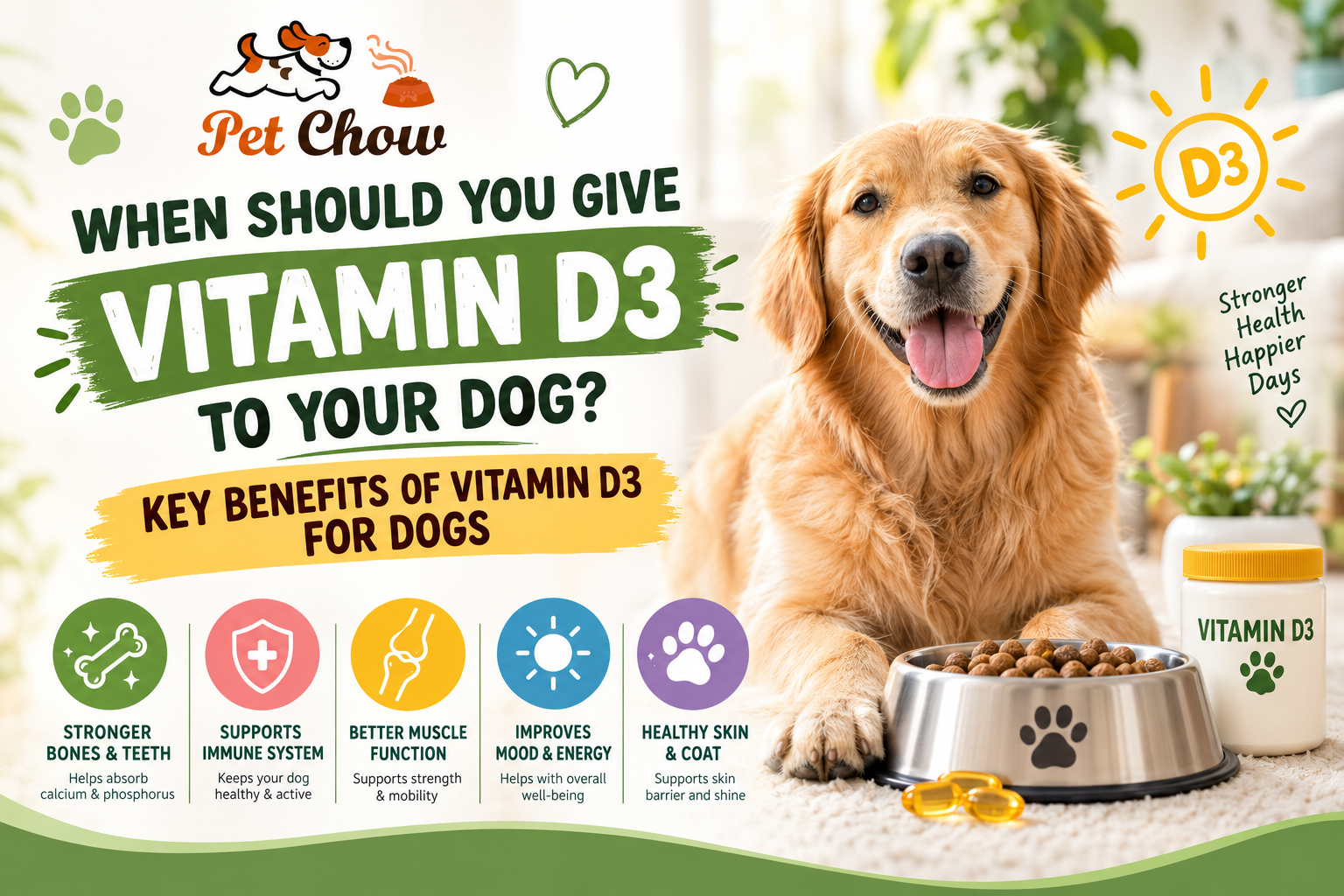
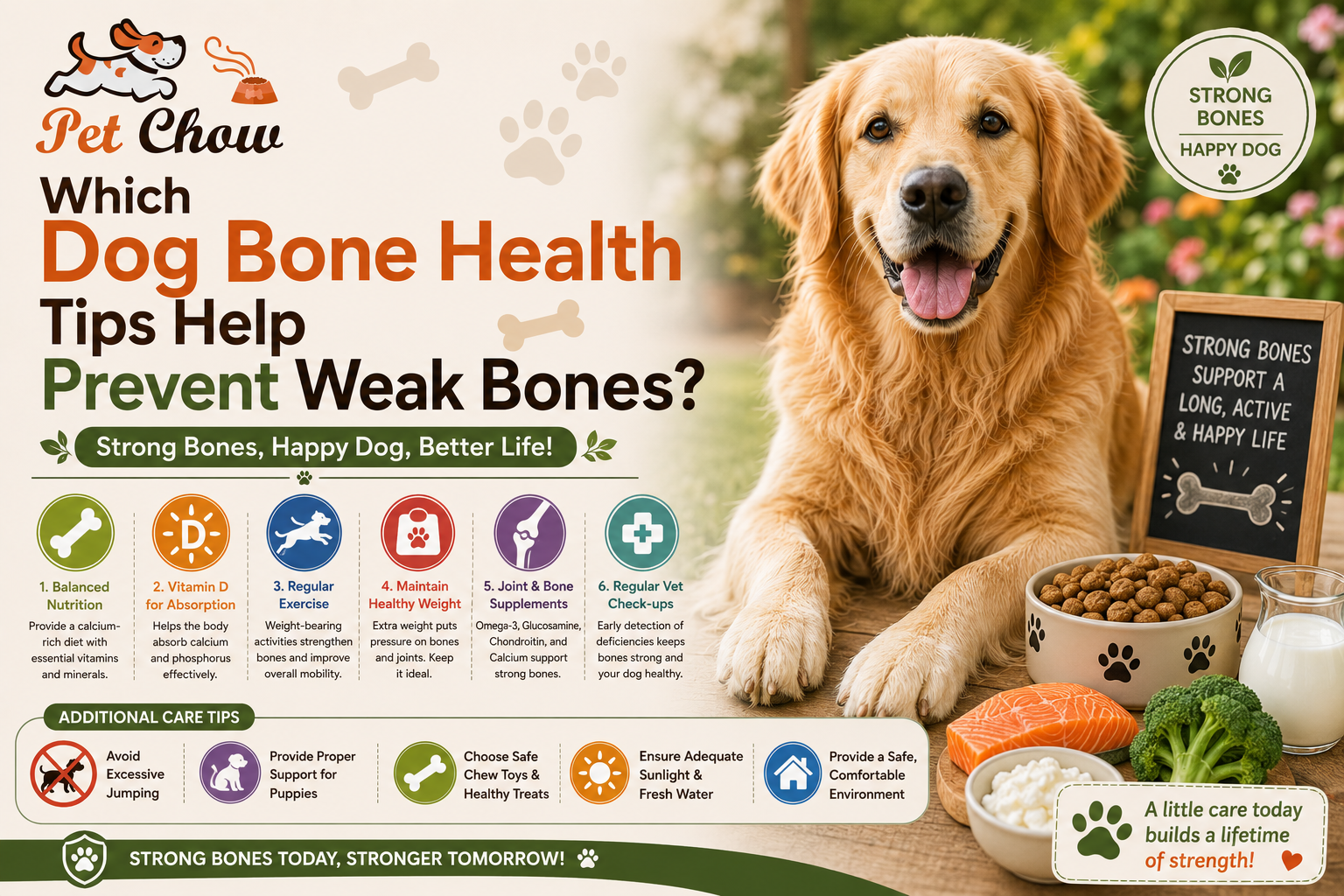
Vitamin D3 is the main regulator of intestinal calcium absorption. If a dog does not have enough vitamin D3, then the dog is unable to absorb calcium from food, and the food calcium is absorbed into the dog's bones, causing soft enamel and poor jaw support. Incorporating a complete best dog nutrition supplement helps regulate intestinal mineral uptake effectively.
3. Anti-Microbial Plant Compounds
Bee propolis, cranberry extracts and Coenzyme Q10 help to naturally freshen up a dog's breath while also reducing gum inflammation and preventing bacteria from sticking.
Comparing Dental Foods, Raw Chews, and Regular Kibble
Comparing different food types helps pet parents build an effective daily feeding routine:
|
Food Category |
Mechanical Cleaning |
Nutritional Value |
Plaque Prevention |
Primary Caution |
|
Dental Prescribed Kibble |
Excellent |
Complete & Balanced |
High |
Higher cost per bag |
|
Raw Meaty Bones |
Superior |
High Protein/Calcium |
Very High |
Must be strictly raw & supervised |
|
Crunchy Vegetables |
Moderate |
High Antioxidants |
Moderate |
Serve as 10% treat limit |
|
Standard Soft Wet Food |
Low |
Complete & Balanced |
Low |
Sticking residue needs brushing |
Step-by-Step Routine to Transition to a Dental-Focused Diet
If you want to introduce more tooth-strengthening foods to your dog's daily diet, you should introduce them slowly so they don't get an upset tummy:
- Have a Vet Oral Exam: Make sure that the dog has no loose teeth, no cracks in their enamel and no advanced periodontitis (gum disease) that needs to be surgically cleaned up before.
- Start a 7-Day Diet Blend: Mix 25% of the dental formulated kibbles with 75% of the regular food, and slowly increase the dental kibble amount over a course of seven days.
- Introduce Raw Dental Snacks: Under close supervision, provide raw carrots, celery or raw marrow bones for 15 minutes twice per week.
- Watch for stool and chewing habits: Make sure the dog chews the pieces of stool thoroughly and doesn't swallow them whole.
- Re-evaluate Oral Health: Inspect gumline every month for any decreased redness and loss of yellow deposits of tartar. Pairing this routine with a targeted joint supplement for dog helps support smooth jaw hinge movement while chewing hard kibble.
Dietary Habits That Damage Dog Teeth
Certain feeding practices inadvertently accelerate dental decay and bone loss:
- Feeding Cooked Bones: Cooking hardens bone structure, causing it to splinter easily and fracture dog teeth or pierce digestive tracts.
- High-Sugar Commercial Treats: Sugary binders and artificial carbohydrates cling to enamel, feeding destructive bacteria.
- Exclusively Soft Wet Diets: Soft canned paté offers zero physical scraping action, leaving film along the gumline.
- Inconsistent Mineral Ratios: Homemade meals without exact calcium-to-phosphorus measurements draw calcium away from jawbones. Feeding specialized dog growth supplements prevents calcium leeching during critical developmental stages.
Chomping Ahead: Building a Lifetime of Canine Dental Power
Keeping teeth clean and jawbones sturdy takes a careful mix of targeted nutrition, foods that do a bit of natural scraping, and a good mineral balance. Choosing the best food for stronger dog teeth helps your pet chew comfortably, keep breath fresh, and support internal wellbeing for years. When owners combine high-fiber kibble, raw vegetable chews, and regular veterinary checkups, it becomes way easier to build a solid oral care routine—so everyone stays happy, tails keep wagging, and teeth stay bright.
Frequently Asked Questions
Does feeding dry kibble diets actually help to clean your dog’s teeth?
Only if they are large enough that the standard small kibble shatters on contact! (Which isn’t true of many brands).
Can I feed my dog raw bones to strengthen their teeth?
Standard small kibble shatters immediately upon contact with teeth, offering minimal cleaning. Only larger, specialized dental kibble provides true physical scraping along the gumline.
How do raw carrots benefit canine dental care?
These crunchy veggies provide an abrasive chewing action to massage gums & remove soft surface plaque plus supply healthy antioxidants like beta-carotene.
Does wet food contribute to dental decay in dogs?
Wet food itself doesn't cause decay, but due to its soft consistency there's no mechanical cleaning that happens from eating dry kibble. This allows the soft residue to linger and promote more rapid plaque build-up if you don't brush your pup's teeth regularly.
Which Vitamins Are Beneficial For Dog Jaw Bone Health?
Vitamin D3, vitamin C, calcium and phosphorus help you have strong jawbones to avoid tooth loosening
Are dental chews effective for replacing brushing?
High-quality dental chews reduce plaque by up to 40%, but daily tooth brushing remains the gold standard for canine oral hygiene.
Is plain yogurt beneficial for a dog's mouth?
Yes, unsweetened plain yogurt contains live probiotics that eliminate bad bacteria in the mouth and help prevent chronic gum inflammation.
How often should dogs get dental-friendly food?
Dental kibble can be served as a daily meal, while raw carrots, dental chews, or raw bones should be given two to three times weekly as supervised treats.
What counts as early signs of dental disease in dogs?
You usually notice persistent bad breath, red or puffy gums, yellow tartar sitting near the gumline, a kind of head tilting while chewing, and also dropping food like it hurts.