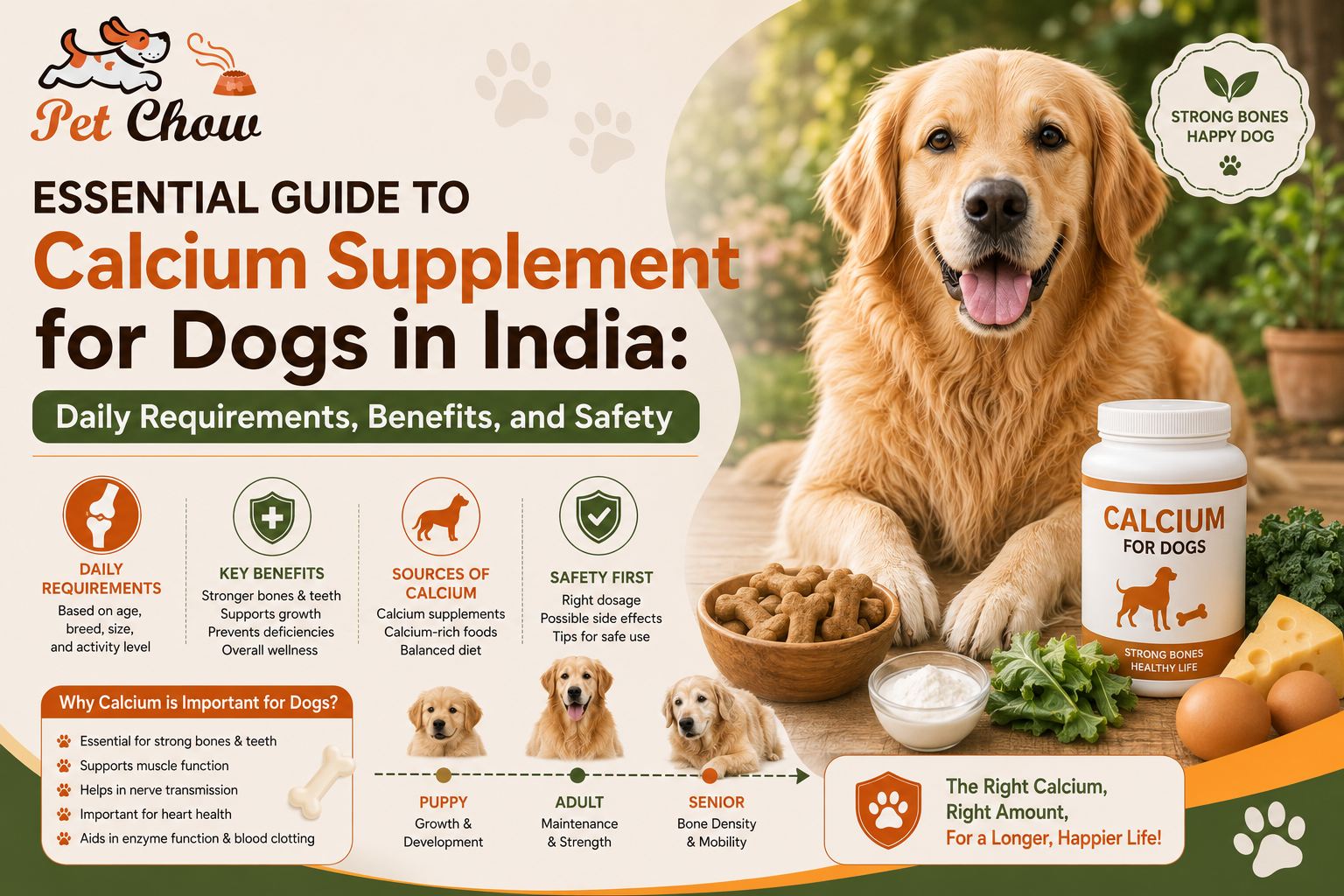

Limited natural movement, painful fractures and diminished overall vitality at all stages of life are caused by weak bones. If proactive health choices are identified, then the silent structural deterioration is avoided.
Knowing the right balance of minerals, physical exercises and early signs of weakness makes it easy to effectively protect the strength of the canines' bones.
What Causes Reduced Bone Density in Dogs?
Skeletal weakness is typically due to a deficiency of some nutrient, a genetic disorder, or a long-term hormonal imbalance in the dog. Unbalanced home diets, like meat without any supplements, require the body to use calcium from the bones to satisfy the body's need for calcium. This results in secondary hyperparathyroidism and makes the frame porous and brittle over time.
In addition, more than 98% of all body calcium is found in a dog's bone tissue. If the mineral deficiency is continuing, it means there are continuous withdrawals. One client campaign solved technical site hierarchy problems, and in the process helped hundreds of pet owners correct their pet's nutrition before joint deformities set in.
5 Practical Dog Bone Health Tips
Protecting canine bones requires a structured approach covering nutrition, exercise, and routine care:
1. Balance Essential Mineral Ratios:
Maintain a strict 1.2:1 Calcium to Phosphorus ratio. Ensure daily meals maintain proper mineral ratios. Vitamin D3 and Magnesium must accompany dietary calcium to ensure efficient intestinal absorption and proper bone deposition. Selecting the best dog calcium supplement helps maintain this critical equilibrium.
2. Provide Controlled Low-Impact Movement:
Helps safeguard growth plates and the cartilage joints, more or less in the same way. Do consistent leash walks on softer ground, like grass or soil. Try not to do high impact jumps on hard concrete, especially for young puppies under 12 months, because their growth plates are still vulnerable.
3. Manage Body Mass, Quite Strictly:
This prevents mechanical overload on the skeletal structure. Extra weight means more mechanical stress on joints and cartilage, over time. Keeping a lean body condition score can lower systemic inflammation a bit and supports healthier bone density.
4. Ensure Safe Sunlight Exposure:
Enhances mineral utilization. Allow controlled morning sunlight exposure to encourage natural vitamin synthesis and support metabolic health, complementing balanced daily feedings.
5. Incorporate Targeted Bone Supplements:
Protects bone density and joint flexibility. Add age-appropriate bone supplements containing bioavailable calcium, zinc, and omega-3 fatty acids when feeding home-cooked diets or supporting aging pets. Young large-breed puppies particularly benefit from tailored dog growth supplements to build a sturdy framework.
How to Spot Early Signs of Bone Density Loss
Early signs of skeletal weakness often go unnoticed until a minor injury causes a fracture. Monitoring movement and physical habits reveals early warning signs:
|
Physical Stage |
Early Structural Indicators |
Actionable Steps |
|
Growing Puppies |
Bowed legs, swollen wrists, hesitation to play |
Request orthopedic screening & review diet balance |
|
Adult Dogs |
Stiff gait after resting, muscle twitching |
Perform blood calcium & vitamin level tests |
|
Senior Dogs |
Reluctance to climb stairs, sagging spine |
Introduce targeted veterinary bone support |
Supplements containing bioavailable calcium citrate, micro-minerals, and botanical extracts preserve structural integrity. Pairing meal plans with a high-quality best dog nutrition supplement delivers complete systemic support.
Supplement Strategies for Skeletal Integrity
When diet alone falls short, targeted dietary supplements bridge critical nutritional gaps.
Raw Food / Unbalanced Diet ──► Low Calcium Intake ──► Bone Mineral Withdrawal
▲ │
└────────── Targeted Bone Supplements ─────────┘
Supplements that include calcium citrate in a bioavailable form, micro minerals, and plant based extracts help keep structural wholeness kind of stable. In a nervous or anxious dog, higher stress hormones can really lower the way the gut absorbs things, slower absorption rates, you know. So when you pair structural support supplements together with calming aids it tends to improve overall digestion and also supports better mineral uptake at the same time.
Smart Actions for Lasting Canine Bone Health
To ensure that the canines' bones are protected as much as possible, we should take them on regular walks every day. Incorporating proven pet supplements into feeding schedules helps close hidden nutritional gaps. The diet of our pets must be rich in nutrients so that they have all the essential vitamins for maintaining healthy bones. So you need to follow these dog bone health tips and take them for a regular veterinary checkup to evaluate the nutritional status of their diets and other things that will maintain them healthy.
Frequently Asked Questions
What is the best dog bone health care for puppies?
Feed according to their size in the breed, do not over-exercise on hard surfaces and ensure that the calcium:phosphorus ratio is correct in order to promote proper growth.
Can dogs develop osteoporosis like humans?
Osteoporosis occurs very rarely in dogs, but they can also develop a condition known as osteomalacia (softening of the bones) or a very severe loss of bone density from a mineral deficiency.
How can I tell if my dog's bones are weak?
Symptoms include difficulty jumping, muscle twitching, reluctance to jump, bowed legs and a stiff gait and slow recovery from minor impacts.
Can't get enough bone strength from plain chicken and rice?
No, meat is rich in phosphates and low in calcium, and may cause depleting the bones when used for a long period of time without additional calcium.
Is it better for dogs to exercise to make their bones stronger?
Yes, moderate (but not too intense!) exercise does stimulate bone remodeling, which strengthens supporting muscles without causing joint damage.
Can Too Much Calcium Harm A Dog’s Bones?
Excess of calcium in growing puppies may lead to issues such as joint calcification, developmental deformities, or osteochondrosis.
What Role Does Vitamin D Play in Canine Bone Health?
The role of vitamin D on calcium absorption from the gut, and subsequent mineral deposits in bone tissue
Are commercial bone chew toys safe to use with your dogs’ teeth and bones?
It’s best to choose a soft, chew toy that’s not made out of super-hard natural bones or synthetic chews that could chip your pet’s teeth. There are plenty of great flexible, safety tested chew alternatives!
How Does Weight Affect a Dog’s Skeletal Frame?
Excess weight can place continuous mechanical stress on your dog's joints and bones, leading to accelerated wear and increased risk of fractures.
When Should You Consult Your Vet About Your Dog’s Movement?
Contact your vet as soon as possible if you see limping, swollen joints, problems with getting up, or other unexpected behavior during physical activities.